
You’ve probably seen them. Those headlines that make you do a double-take, wondering if they’re real before you realize they’re brilliantly crafted jokes. The Onion has been doing this for 37 years, and they’re still going strong. In fact, they recently made what sounds like a satirical move itself: pivoting to print in the digital age.
But here’s the thing about satirical news stories. They’re not just funny headlines designed to get clicks. They’re a form of social commentary that’s been around for centuries, adapted for our modern media landscape. And in an era where misinformation spreads faster than truth, understanding how satire works matters more than ever.
Why Satirical News Matters Today
Satire gives us permission to laugh at things that might otherwise make us angry or frustrated. It takes the absurdities of modern life and amplifies them until we can’t help but see the truth underneath. When politicians make ridiculous statements or corporations engage in obvious hypocrisy, satirical news stories hold up a mirror that’s both funny and uncomfortable.
The intersection with conspiracy theories is particularly interesting. Some people consume satirical news stories the same way others consume conspiracy content: they’re looking for alternative explanations for what’s happening in the world. The difference? Good satire points you back toward reality, not away from it.
The Fine Line: When Satire Gets Mistaken for Real News
Here’s where things get tricky. Satirical stories get shared as fact all the time. Someone sees a headline that confirms their worldview, shares it without reading, and suddenly thousands of people believe something that was meant as a joke. This happens so frequently that fact-checking sites regularly debunk satirical articles.
This isn’t necessarily the fault of the satirical writers. But it does raise questions about responsibility in an age where media literacy isn’t universal and social media algorithms don’t distinguish between satire and news.
What Are Satirical News Stories? A Complete Definition
Satirical news stories are fictional articles that mimic the format and tone of legitimate journalism to critique social issues, political situations, or cultural phenomena through humor and exaggeration. They’re not just jokes dressed up as news. They’re a specific literary technique with a clear purpose.
The Two Essential Components: Attack and Wit
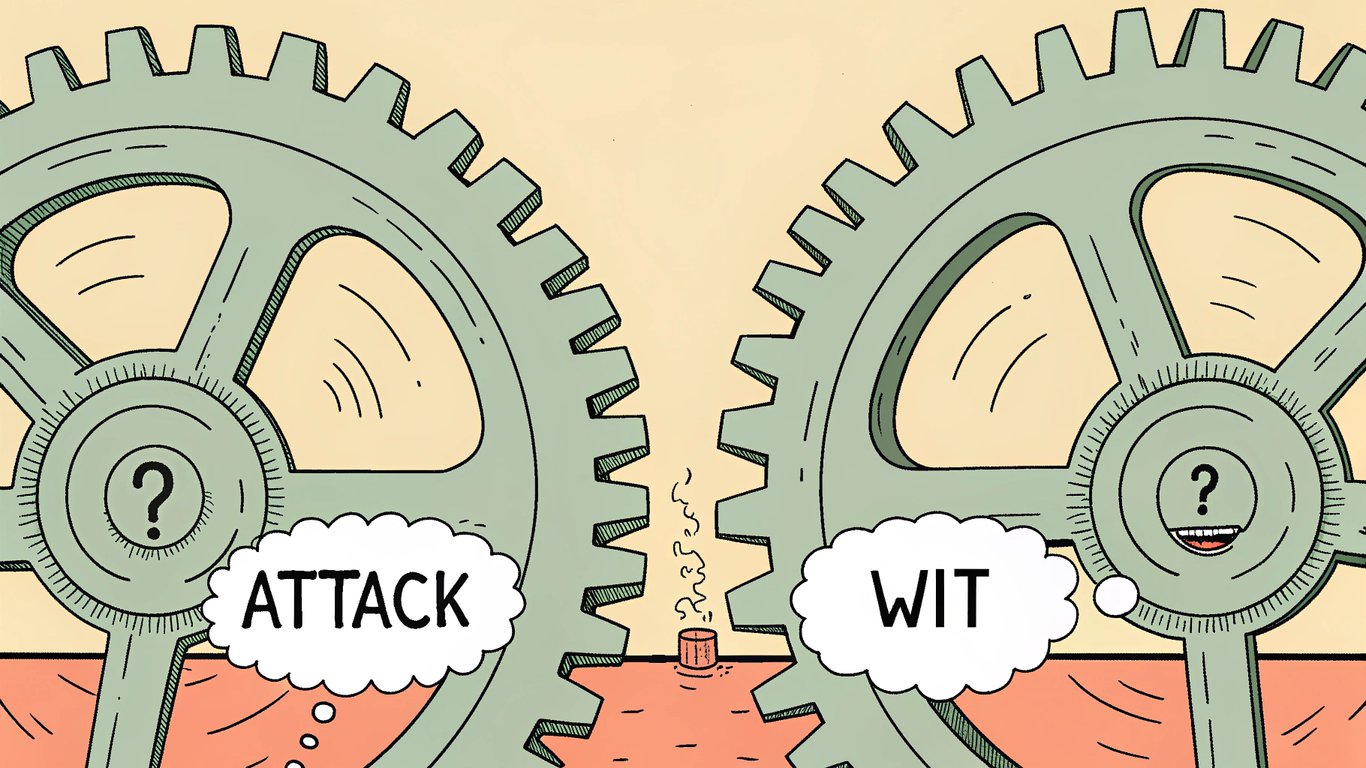
According to research on satire, there are two fundamental elements that make it work: attack and wit. The attack is the critique itself, the target you’re going after. The wit is how cleverly you do it. Remove either one and you don’t have satire anymore. You’ve got either mean-spirited criticism or jokes without substance.
Think about it this way. If you write a fake news story about a politician doing something stupid, but it’s not funny, that’s just propaganda. If you write something hilarious but it doesn’t actually critique anything, that’s comedy but not satire. You need both.
The Purpose Behind Satirical News
Satirical news stories exist to make you think while making you laugh. They expose absurdities in society by taking them to their logical extremes. When a company makes a tone-deaf statement, satire imagines what they’d say if they were being completely honest. When a policy seems designed to hurt people, satire shows you exactly who it hurts and how.
The best satirical news provokes critical thinking. You laugh, then you pause, then you realize the joke is actually pointing at something real and problematic. That moment of recognition is what makes satire powerful.
The Format: Mimicking Real Journalism
What makes satirical news stories distinct from other forms of satire is their commitment to the journalistic format. They use headlines, bylines, quotes from fictional sources, and the inverted pyramid structure of news writing. This mimicry is essential because it creates the initial credibility that makes the satire land harder.
When you read a satirical news story, it should feel like reading actual news for at least a few seconds. The tone is serious, the language is professional, the structure is familiar. Then the absurdity creeps in, and you realize what you’re actually reading.
Famous Examples: From The Onion to Modern Platforms
The Onion remains the gold standard for satirical news in America. They’ve been publishing since 1988, and their headlines have become part of internet culture. But they’re not alone. Sites like The Beaverton in Canada and various other outlets worldwide have adapted the format for their own audiences.
Some newer platforms are pushing creative boundaries. The Juice Media combines satirical news with video content, creating what they call “Honest Government Ads” that use the format of government PSAs to critique actual policies. It’s satire, but in a different medium.
Satirical News vs. Parody: Understanding the Key Differences
People use these terms interchangeably, but they’re not the same thing. Understanding the difference helps you both appreciate satire better and create it more effectively.

What Is Parody?
Parody is imitation for comedic effect. When someone does a parody of a song, they’re copying the style, melody, and structure but changing the lyrics to be funny. When a movie parodies another movie, it’s recreating recognizable scenes or tropes for laughs. The target of parody is usually the work itself or the genre it represents.
Parody can be affectionate. You can parody something you love, poking fun at its quirks without trying to tear it down. It’s often more about entertainment than critique.
The Intent Factor: Social Commentary vs. Pure Entertainment
This is probably the biggest difference. Satirical news stories aim to critique and provoke thought about real issues. They want you to laugh, sure, but they also want you to think about what’s wrong with the thing they’re satirizing. Parody primarily wants to entertain through imitation.
A satirical news story about corporate greed isn’t just making fun of how corporations talk. It’s trying to expose actual problems with corporate behavior. A parody of corporate speak might just be funny without making any deeper point.
Target and Scope: Specific vs. General
Satire targets ideas, behaviors, institutions, and social problems. It’s going after something broader than a single work. Parody targets specific works, styles, or genres. You parody a particular movie or song. You satirize the industry that produces them or the culture that consumes them.
Tone and Approach: Biting vs. Playful
Satire tends to have a sharper edge. It’s critical by nature, even when it’s funny. There’s usually an element of anger or frustration underneath the humor. Parody is typically lighter and more playful. It might poke fun, but it’s rarely trying to wound.
Side-by-Side Comparison
| Aspect | Satirical News | Parody |
|---|---|---|
| Primary Purpose | Social critique and commentary | Entertainment through imitation |
| Target | Ideas, behaviors, institutions | Specific works or styles |
| Tone | Sharp, critical, biting | Playful, affectionate, light |
| Intent | Provoke thought and change | Make people laugh |
| Example | Fake article about corporate hypocrisy | Funny version of a popular song |
The Anatomy of Effective Satirical News Stories
Writing good satire isn’t easy. It requires understanding both journalism and comedy, plus having something meaningful to say. Let’s break down what makes satirical news stories work.
The Headline: Grabbing Attention While Revealing Absurdity
Your headline needs to sound plausible enough that someone might believe it for a second, but absurd enough that the joke becomes clear. This is harder than it sounds. Too plausible and people share it as real news. Too absurd and the satire becomes toothless.
The best satirical headlines often take something that’s almost true and push it just slightly further. They find the logical conclusion of a real trend and state it as if it’s already happened.
The Lead: Establishing Credibility Before the Twist
Your opening paragraph should read like actual news. Use the journalistic style: who, what, when, where, why. Give it the serious tone of real reporting. This establishes credibility and draws readers in before they realize what they’re reading.
The satirical elements should emerge gradually, not hit you over the head immediately. You’re building trust before you subvert it.
Exaggeration and Hyperbole: Amplifying Reality
Satire works by taking real things and amplifying them to absurd levels. If companies really do prioritize profits over people, satire imagines a company that’s completely honest about it. If politicians really do ignore their constituents, satire shows a politician who openly admits it.
The exaggeration needs to be grounded in truth, though. Random absurdity isn’t satire. It’s just weird.
Maintaining the Straight Face: Deadpan Delivery
Never break character. The moment you wink at the audience or signal that you’re joking, the satire loses power. Maintain that serious journalistic tone throughout, no matter how absurd the content becomes. This deadpan delivery is what makes satire effective.
Grounding in Truth: The Reality Foundation
The best satirical news stories start with real issues and current events. They’re commenting on things that are actually happening. Without that foundation in reality, satire becomes fantasy, and fantasy doesn’t critique anything.
Best Practices for Writing Satirical News Stories
If you want to write satire yourself, here’s what you need to know. These aren’t just suggestions; they’re the difference between effective satire and failed attempts.
Know Your Audience Intimately
Great satirical writers understand what their readers find funny, what issues matter to them, and how far they can push boundaries. You need to know your audience’s values, their frustrations, and their sense of humor. Satire that works for one group might completely miss with another.
Research Thoroughly: Satire Requires Knowledge
You can’t satirize something you don’t understand. Effective satire demands deep knowledge of the subject you’re critiquing. You need to understand the real issues, the actual arguments, and the genuine problems before you can exaggerate them effectively.
Shallow satire is obvious and ineffective. It’s the difference between someone who really understands politics making fun of politicians versus someone who just thinks politicians are dumb.
Choose Worthy Targets: Punching Up vs. Punching Down
This is crucial. Good satire punches up at power, not down at vulnerable groups. Satirizing politicians, corporations, and institutions is fair game. Satirizing marginalized communities or people without power isn’t satire; it’s just cruelty dressed up as humor.
The best satirical targets are those who deserve criticism and can handle it. If your satire harms people who are already struggling, you’re doing it wrong.
Master the Journalistic Style
Study real news writing. Understand how journalists structure articles, what tone they use, how they attribute quotes, and how they present information. The more authentically you can mimic this style, the more effective your satire will be.
Balance Subtlety and Clarity
This is the tightrope walk of satire. Too subtle and people miss the joke entirely. Too obvious and the satire loses its edge. You want readers to get it without having to explain it, but you also want that moment of realization to feel earned.
Include Clear Satirical Signals
Given how often satire gets mistaken for real news, you need to include signals that you’re writing satire. This doesn’t mean breaking character, but it does mean making the absurdity clear enough that reasonable people will recognize it. Some sites include disclaimers. Others rely on their reputation. Find what works for your context.
Edit Ruthlessly for Maximum Impact
Every word should serve the satirical purpose. Cut anything that doesn’t contribute to either the humor or the critique. Satire works best when it’s tight and focused, not rambling and unfocused.
Common Pitfalls and How to Avoid Them
Even experienced writers make mistakes with satire. Here are the most common problems and how to avoid them.
Being Too Obvious or Too Obscure
Finding the sweet spot is difficult. If you’re too obvious, you’re just stating the problem without adding insight. If you’re too obscure, only a tiny audience will understand what you’re doing. Test your satire on people who represent your target audience and see if they get it.
Confusing Mean-Spiritedness with Satire
Satire should critique ideas and behaviors, not attack people personally. There’s a difference between satirizing someone’s policies and just being cruel about their appearance or personal life. If your satire feels more like bullying than commentary, you’ve crossed a line.
Losing the Journalistic Voice
Maintaining consistency in tone is essential. If you start breaking character or letting your own voice intrude, the satire falls apart. Stay in that journalistic mode throughout, no matter how absurd the content becomes.
Failing to Ground in Current Reality
Satire that’s disconnected from what’s actually happening feels dated and irrelevant. Stay current with news and trends. Your satire should feel timely and connected to real events, even if you’re exaggerating them.
The Misinformation Problem: When Satire Backfires
This is the big ethical question facing satirical writers today. When your satire gets shared as real news, are you contributing to misinformation? There’s no easy answer, but it’s something you need to think about. Consider including clear labels, making the absurdity more obvious, or accepting that some people will always miss the joke.
The Future of Satirical News: Trends and Opportunities
Satire isn’t going anywhere, but it is evolving. Here’s where things seem to be heading.
Multi-Platform Satire: Beyond Written Articles
Satirical news is expanding into video, podcasts, and social media formats. Short-form video satire on platforms like TikTok and Instagram reaches audiences who might never read a satirical article. The principles remain the same, but the delivery methods are multiplying.
The Onion’s Print Pivot and What It Means
The Onion’s decision to return to print might seem counterintuitive, but it’s actually smart. Physical newspapers have a different kind of credibility and permanence. They’re also harder to share out of context, which might help with the misinformation problem.
Satire in the Age of AI and Deepfakes
As technology makes it easier to create convincing fake content, satire faces new challenges and opportunities. On one hand, it’s harder to distinguish satire from actual misinformation. On the other hand, satire can critique the very technologies that make fake content possible.
Building Your Satirical Voice: Getting Started
If you want to write satirical news stories, start by reading a lot of satire. Study what works and what doesn’t. Practice mimicking journalistic style. Find your targets and develop your voice. Start small, maybe with social media posts, and build from there. Join communities of satirical writers who can give you feedback.
The barrier to entry is lower than ever. You don’t need a major publication to back you. You just need something to say and the skill to say it effectively.
Why Satirical News Stories Still Matter
Satirical news stories give us a way to process the absurdity of modern life. They let us laugh at things that might otherwise feel overwhelming. They expose hypocrisy and challenge power in ways that straight journalism sometimes can’t.
Understanding how satire works makes you a better reader and a more critical thinker. You’re less likely to fall for actual misinformation when you understand how satirical news stories are constructed. And if you’re interested in writing satire yourself, you now have a foundation to build on.
The key is remembering that satire isn’t just about being funny. It’s about using humor to reveal truth. When done well, satirical news stories make us laugh and think at the same time. That’s a powerful combination.


