
You’ve probably shared a satirical news article thinking it was real. Don’t worry, you’re not alone. In 2025’s chaotic media landscape, distinguishing between genuine reporting and clever parody has become harder than ever. But here’s the thing: understanding satire isn’t just about avoiding embarrassment on social media. It’s about recognizing one of society’s most powerful tools for social commentary and political critique.
What Is Satirical News and Why Does It Matter?
Satirical news uses humor, irony, and exaggeration to comment on current events, politics, and social issues. Unlike traditional journalism that reports facts, satire deliberately distorts reality to expose absurdity, hypocrisy, or injustice. Think of it as truth-telling through fiction.
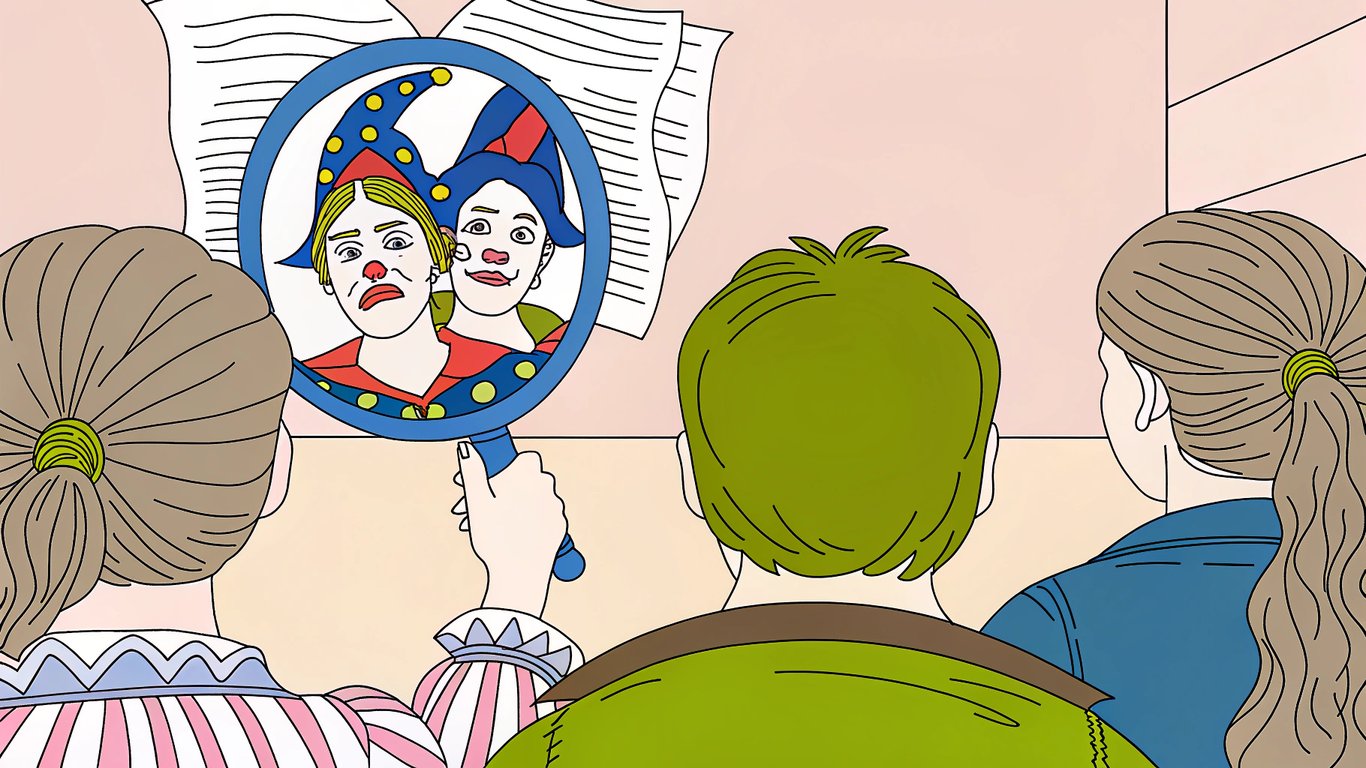
The purpose goes beyond making people laugh. Good satire forces us to question assumptions, challenge authority, and see familiar situations from unexpected angles. When The Onion publishes a headline that seems ridiculous but uncomfortably close to reality, that’s satire doing its job.
The Evolution of Satire: From Print to Digital
Satire isn’t new. Jonathan Swift’s “A Modest Proposal” shocked readers in 1729 by suggesting Irish families sell their children as food to solve poverty. The essay was obviously satirical, but it forced people to confront their indifference to suffering.
Fast forward to the 20th century, and publications like Mad Magazine and National Lampoon brought satire to mass audiences. The Onion launched in 1988 as a print newspaper, perfecting the fake news format that would later dominate online satire. By the 2000s, shows like The Daily Show and The Colbert Report proved that millions of people, especially younger audiences, were getting their news filtered through satirical commentary.
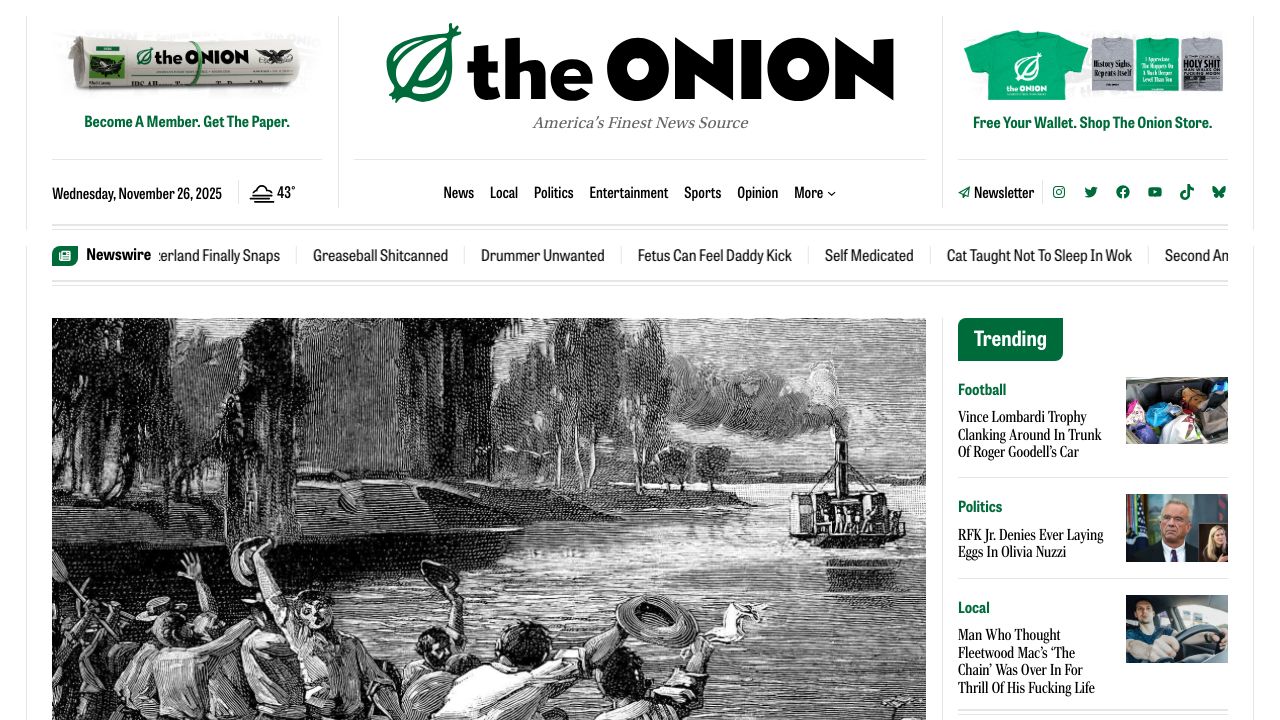
Today’s satirical landscape includes everything from Twitter parody accounts to TikTok creators to AI-generated memes. The format has exploded, but the core mission remains the same: using humor to reveal uncomfortable truths.
The Current State of Satirical News in 2025
The satirical news ecosystem in 2025 is more diverse and fragmented than ever. Traditional players like The Onion still dominate, but they’re joined by countless smaller operations, individual creators, and experimental formats. Sites like The Beaverton in Canada and The Betoota Advocate in Australia show how satire adapts to local contexts.
Social media has democratized satire creation but also complicated its reception. A satirical tweet can go viral without context, leading thousands to believe it’s real. Platform algorithms don’t distinguish between satire and misinformation, creating new challenges for both creators and consumers.
The Complete Taxonomy of Satirical News Forms
Traditional Satirical News Articles
This is the classic format: fake news stories written in the style of legitimate journalism. The Onion perfected this approach with headlines like “Area Man Passionate Defender Of What He Imagines Constitution To Be.” These articles mimic real news structure, complete with quotes, datelines, and journalistic conventions, but the content is absurd enough to signal parody.
The best traditional satirical articles work on multiple levels. They’re funny on the surface but contain sharp social commentary underneath. They require readers to understand both the format being parodied and the real-world situation being critiqued.
Parody Social Media and Memes
Twitter, Instagram, and TikTok have spawned entirely new satirical formats. Parody accounts impersonate public figures, corporations, or concepts with varying degrees of obviousness. Some clearly label themselves as parody; others rely on subtle cues.
Meme culture has become a primary vehicle for satirical commentary. A well-crafted meme can convey complex political critique in seconds, spreading faster than traditional articles ever could. The challenge? Memes often lose context as they spread, making their satirical intent less clear.
Video Satire and Late-Night Comedy
Video remains one of satire’s most effective formats. Late-night shows blend monologues, sketches, and interviews to comment on current events. YouTube channels and streaming platforms have expanded the possibilities, allowing for longer-form satirical content without network constraints.
Video satire benefits from visual and audio cues that signal parody. Exaggerated performances, obvious editing tricks, and comedic timing help viewers recognize the content as satirical. But short clips extracted from longer videos can lose these signals when shared out of context.
Deepfake Satire and AI-Generated Parody
This is where things get complicated. AI technology now enables creators to generate realistic fake videos, audio clips, and images. Some artists use these tools for obvious satire, creating impossible scenarios that couldn’t be mistaken for reality.
But the line between satirical deepfakes and malicious misinformation is dangerously thin. As the technology improves, even sophisticated viewers struggle to identify manipulated content. This raises serious ethical questions about whether certain satirical techniques have become too risky to use responsibly.
The Ethics of Satirical News: Navigating the Fine Line
The Satirist’s Responsibility: Punching Up vs. Punching Down
There’s an unwritten rule in comedy: punch up, not down. Satire should target the powerful, not the vulnerable. Mocking a corrupt politician? Fair game. Making fun of marginalized communities? That’s not satire, that’s just cruelty.
This principle gets tricky in practice. Who counts as powerful? What if someone is powerful in one context but vulnerable in another? Good satirists constantly evaluate whether their targets deserve critique and whether their approach might cause unintended harm.
Satire vs. Misinformation: Where’s the Boundary?
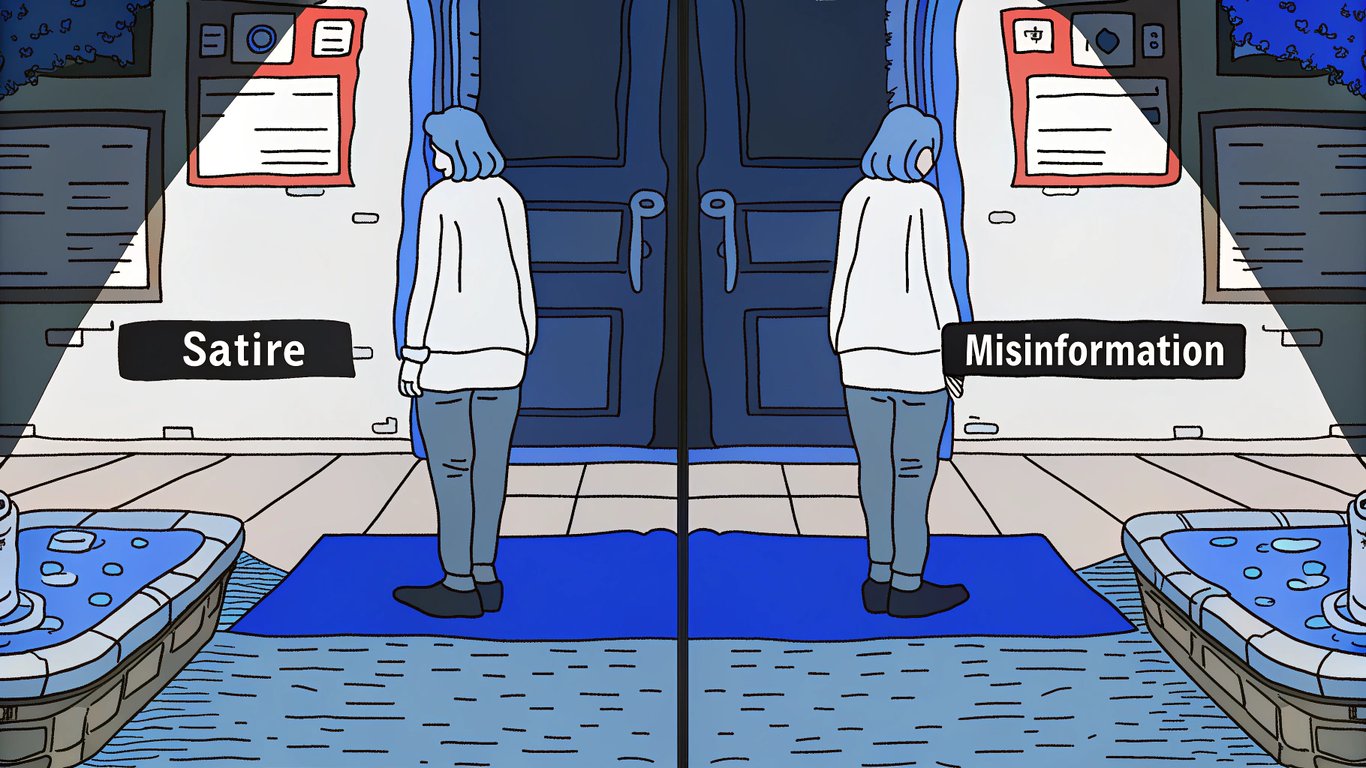
Here’s the uncomfortable truth: satire and misinformation can look identical on the surface. Both present false information. The difference lies in intent and context. Satire aims to reveal truth through fiction; misinformation aims to deceive.
But intent doesn’t matter if readers can’t distinguish between the two. A 2025 analysis from the Cato Institute notes that some experts worry about satire contributing to information confusion, even when creators have good intentions. This puts responsibility on satirists to make their work clearly identifiable as parody.
Disclosure and Labeling Best Practices
Most satirical sites include disclaimers somewhere on their pages. The Onion’s about page clearly states it’s satire. But let’s be honest: how many people actually read about pages before sharing articles?
Better practices include visible labels on individual articles, clear branding that signals parody, and headlines that are absurd enough to raise red flags. Some sites use specific design elements or color schemes that regular readers recognize as satirical. The challenge is balancing clarity with comedic impact. Too obvious, and the joke falls flat. Too subtle, and people miss the point entirely.
Best Practices for Creating Effective Satirical News
The Anatomy of Great Satire: Key Elements
What makes satire work? It’s not just about being funny. The best satirical news combines several elements:
- Exaggeration that reveals truth: Taking real situations to absurd extremes that somehow feel accurate
- Irony and reversal: Saying the opposite of what you mean in ways that expose hypocrisy
- Timing: Hitting while the topic is relevant but not so immediate that emotions override humor
- Specificity: Using concrete details that make the satire feel grounded in reality
- Underlying truth: Even the most absurd satire should contain a kernel of genuine insight
Research and Fact-Checking: The Foundation of Good Satire
This might seem counterintuitive, but creating effective satirical news requires thorough research. You need to understand the real story before you can effectively parody it. The best satirists are often news junkies who follow current events obsessively.
Fact-checking matters even in fiction. If your satire gets basic facts wrong, it undermines your credibility and makes the piece less effective. Readers need to trust that you understand what you’re satirizing.
Headlines That Hook Without Deceiving
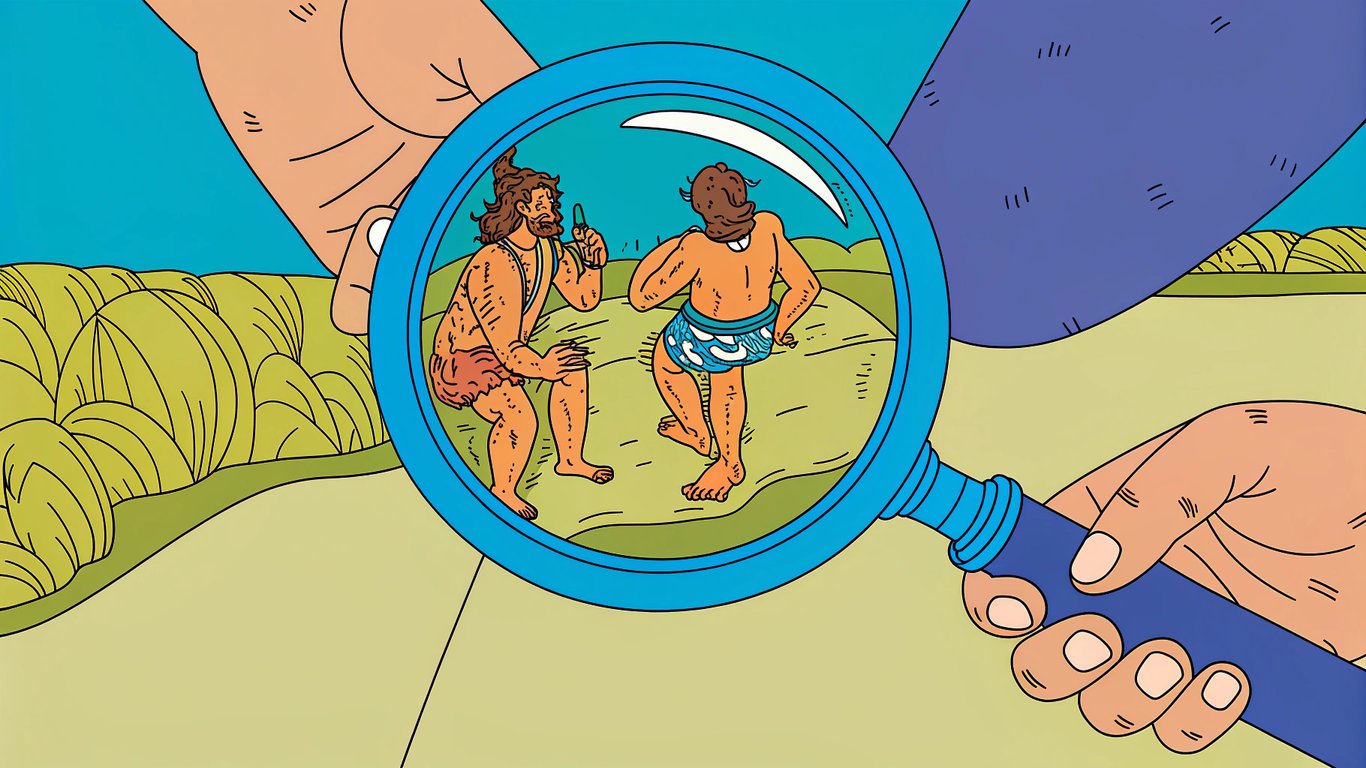
Satirical headlines walk a tightrope. They need to be attention-grabbing and funny while still signaling that they’re not real news. The best ones achieve this through absurdity that’s just slightly beyond plausibility.
Compare these approaches: “President Announces New Policy” could be real or fake. “President Announces New Policy, Immediately Forgets What It Was” is clearly satirical. The second headline is specific enough to be funny but absurd enough to signal parody.
How to Identify and Consume Satirical News Responsibly
Red Flags: How to Spot Satirical News
Before you share that outrageous article, check for these warning signs:
- Check the source: Is it a known satirical site? Look at their about page
- Examine the URL: Many satire sites have obvious parody domains
- Read beyond the headline: Satirical articles often become more absurd as you read
- Look for disclaimers: Most legitimate satire sites label their content somewhere
- Check other sources: If no mainstream outlet is reporting the story, it’s probably fake
- Trust your instincts: If something seems too outrageous to be true, it probably is
The Psychology of Falling for Satire
Smart people fall for satire all the time. It’s not about intelligence; it’s about cognitive biases. Confirmation bias makes us more likely to believe information that aligns with our existing views. If a satirical article confirms what you already think about a politician or issue, your brain is less likely to question its authenticity.
Social media amplifies this problem. We scroll quickly, reading headlines without context. We see friends sharing content and assume they’ve verified it. We’re more focused on reacting than analyzing. These habits make us vulnerable to mistaking satire for reality.
How This Site Approaches Satirical News and Parody
Our Mission and Editorial Philosophy
This site exists to provide satirical commentary on current events, conspiracy theories, and cultural phenomena. We target readers who appreciate humor that challenges conventional thinking and aren’t afraid to laugh at absurdity in all its forms.
Our approach combines traditional satirical news formats with commentary that blends humor and analysis. We’re not trying to trick anyone. We’re trying to make people think while they laugh.
Disclosure and Transparency Standards
We clearly identify our content as satirical through multiple methods. Our about page explicitly states our satirical nature. Individual articles include context clues through exaggeration and absurdity. We use consistent branding that regular readers recognize as parody.
We don’t use deceptive practices like mimicking legitimate news sites’ URLs or designs. Our goal is satire that’s recognizable as such to anyone paying attention, even if it occasionally fools people scrolling too quickly.
Our Ethical Guidelines and Red Lines
We follow the “punch up, not down” principle. Our satire targets powerful institutions, public figures, and widespread social phenomena, not vulnerable individuals or marginalized groups. We avoid content that could cause real harm, even if it’s technically funny.
We don’t create satire about tragedies, personal suffering, or situations where humor would be genuinely cruel. We don’t use satire to spread actual misinformation or conspiracy theories, even in jest. The line between satirizing conspiracy theories and amplifying them is thin, and we’re careful not to cross it.
The Future of Satirical News
AI and Automation in Satirical Content Creation
AI tools are already being used to generate satirical content, from headlines to full articles to images. This technology makes satire creation faster and more accessible, but it also raises questions about authenticity and creativity.
The best satire requires understanding context, cultural nuance, and human psychology. AI can mimic satirical formats, but it struggles with the deeper insights that make satire meaningful. For now, human satirists who use AI as a tool rather than a replacement seem to produce the most effective work.
Platform Policies and Content Moderation
Social media platforms are increasingly aggressive about flagging misinformation, and satirical content sometimes gets caught in the crossfire. Facebook, Twitter, and other platforms have struggled to develop policies that distinguish between satire and actual fake news.
Some platforms now require satire to be clearly labeled or risk being demoted in algorithms. This creates tension between maintaining comedic effectiveness and satisfying platform requirements. The future probably involves more explicit labeling and potentially separate categories for satirical content.
Resources and Further Reading
Notable Satirical News Sites and Publications
If you want to explore more satirical news, these sites represent different approaches and perspectives:
- The Onion: The gold standard for satirical news articles
- The Beaverton: Canadian satire with a distinct perspective
- The Betoota Advocate: Australian satire focusing on local issues
- ClickHole: Satirizing clickbait and internet culture
- Reductress: Satirizing women’s magazines and media
Each site has its own voice and targets. Exploring different satirical sources helps you understand the range of approaches and develop your own sense of what makes satire effective.
Support Independent Satire
Your contribution helps keep True Free World confusing the powerful, enlightening the masses, and occasionally breaking international law by accident.


