
Government Gone Wild: Hilarious Fake News Stories Unveiling Absurd Government Actions
Introduction
If political satire is the heartbeat of civic engagement, then satirical news is its mischievous wink. In an era when headlines can feel stranger than fiction, it’s a relief to lean into the comedic—especially when we invent outrageously improbable government antics and laugh at how easily the real world sometimes imitates our imagination.
This piece gathers a parade of made-up stories about absurd government actions, all served with a generous dollop of sarcasm and a friendly nudge to keep your sense of humor polished. Whether you read political satire for the giggle, the relief, or the sharp-eyed critique of bureaucracy, these tall tales remind us that sometimes laughter is the best civic response.

Why Fake News Satire Matters
Satirical news isn’t just gossip with a grin. It’s a mirror held up to power, using exaggeration and irony to spotlight genuine problems—from bureaucracy run amok to policy priorities gone delightfully off-track. Parody stories let us confront uncomfortable truths without the defensiveness that straight reporting can trigger. Plus, they let creative minds invent outrageously entertaining scenarios that shine a light on real-world absurdities.
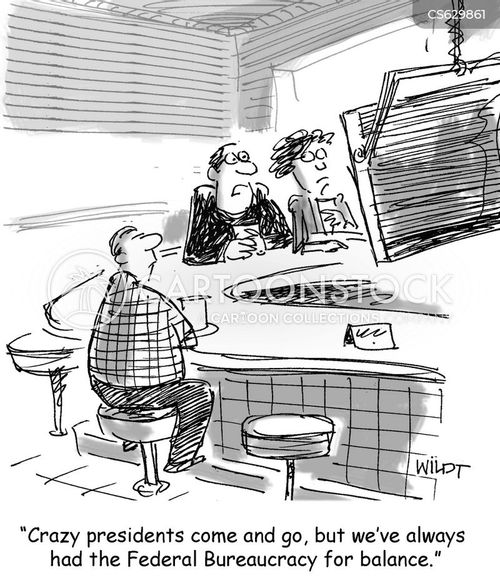
Outrageous Government Fictions That Feel Oddly Plausible

1. The Department of Redundancy Department
– Headline: “Government Creates Department to Oversee All Existing Departments’ Oversight”
- Premise: To streamline oversight, lawmakers establish a central agency whose only job is supervising other oversight bodies. The agency promptly hires three oversight officers to monitor each of its own hires, and a helpful brochure titled “How to Supervise Supervision” is mailed to every mailbox.
- Punchline: The agency’s annual report is filed in triplicate, stamped with an apology, and includes a flowchart with 14 arrows pointing to “consult committee.”
- Premise: In a bid to boost morale metrics, an agency introduces a voluntary—sorry, mandatory—app where citizens upload selfies to help develop a “national grin index.” Facial-expression analysts are hired, and a subcommittee is formed to define the difference between “pensive smirk” and “mildly contented.”
- Punchline: Citizens discover the index is used to allocate decorative bunting to towns with high grin scores, while low-scoring towns receive free motivational posters that say “Try Smiling? Maybe.”
- Premise: Celebrating a proud tradition of paperwork, officials dedicate a day when every citizen must submit at least five forms in person, each with carbon copies, three seals, and a haiku explaining their intent. Street vendors sell commemorative staplers.
- Punchline: The festival’s cultural significance is debated in a congressional hearing that lasts two weeks and produces a 900-page transcript—which then requires its own form to file.
- Prioritization Mismatches: When fictional officials spend taxpayer resources on whimsical projects, readers see how real priorities can be misaligned.
- The Performance of Governance: Satire exposes performative acts of government that focus more on optics than outcomes—from ribbon-cutting spectacles to self-referential reports.
- Use Satire as an Entry Point: Let comedic pieces spark curiosity about the real policy debates beneath the joke.
- Share with Context: When you pass along a satirical story, add a note so recipients know it’s parody. Laughter is best when everyone’s in on the joke.
- Punchy, Clear Voice: Humor lands when the writer commits to the absurd and embraces razor-sharp specificity—dates, budget numbers, and imaginary memos make the satire richer.
- Respectful Critique: Great satire punches up, targeting systems and power dynamics rather than vulnerable individuals.

2. The Mandatory National Smile Registry
– Headline: “New Policy Requires Citizens to Record Their Smiles for Statistical Cheer Quotient”

3. The Universal Paperwork Festival
– Headline: “Government Declares Annual ‘Paperwork Day’ to Honor Legacy of Forms”
Satire with a Purpose: What These Made-Up Stories Reveal
– Bureaucratic Excess: Exaggerated mock policies highlight how complexity and duplication can become their own policy outcome.
How to Enjoy Political Satire Responsibly
– Check the Label: Not all outrageous headlines are declared satire. Look for cues—tone, source, and disclaimers—before sharing.
Examples of Satire Done Right
– Parody That Educates: The best satirical pieces lampoon a real issue—for instance, lampooning wasteful procurement by inventing a government-funded gold-plated stapler program. The laugh opens a path to discussion.
Quick Tips for Writing Your Own Satirical Government Stories
1. Pick a Target: Choose a real policy, institution, or bureaucratic habit.
Share a Laugh, Then Take Action
While we’re laughing at the imaginary Department of Questionable Decisions, it’s worth remembering satire’s civic power. A chuckle can tidy a headline’s edges and catalyze conversations about transparency, efficiency, and accountability. If nothing else, a well-crafted fake news story can underscore how absurd the real world sometimes is—and maybe nudge officials to avoid the kind of decisions that inspired the joke in the first place.
Conclusion
Government Gone Wild: Hilarious Fake News Stories Unveiling Absurd Government Actions offers a playful, sarcastic spin on the foibles of bureaucracy. Through made-up stories and satirical headlines, we hold a mirror to the oddities of governance and remind ourselves that humor is a forceful, clarifying tool. Whether you’re here for the belly laugh or the social critique, remember: satire isn’t just entertainment—it’s civic commentary with a smile.
—
Share your thoughts in the comments: Which fake government headline would you add to this list, and what real-world policy would you be lampooning?


