
10 Jaw-Dropping Satirical Headlines Exposing Government’s Craziest Decisions
Introduction: Why Satirical Headlines Matter
Satirical headlines do more than elicit a laugh — they hammer home truths the dry print sometimes can’t. In an era of viral soundbites and endless press conferences, political humor has become a pressure valve, an interpretive lens, and occasionally a sharper mirror than straight reporting. This article collects 10 jaw-dropping satirical headlines that lampoon government absurdities, revealing how that deliciously sharp combination of wit and outrage can clarify what’s at stake, highlight contradictions, and provoke action.
If you’re a satire enthusiast or a news junkie, you’ll recognize the mix: clever wordplay, a smirk at bureaucracy, and a sting aimed squarely at decisions that make you wonder if the public comment period was secretly a nap. Each headline below is paired with context, why it lands, and the darker reality it lampoons. You’ll walk away with a chuckle, an eyebrow raise, and a clearer view of the political theater behind the punchline. Read on for a witty, eye-opening tour of government absurdities.
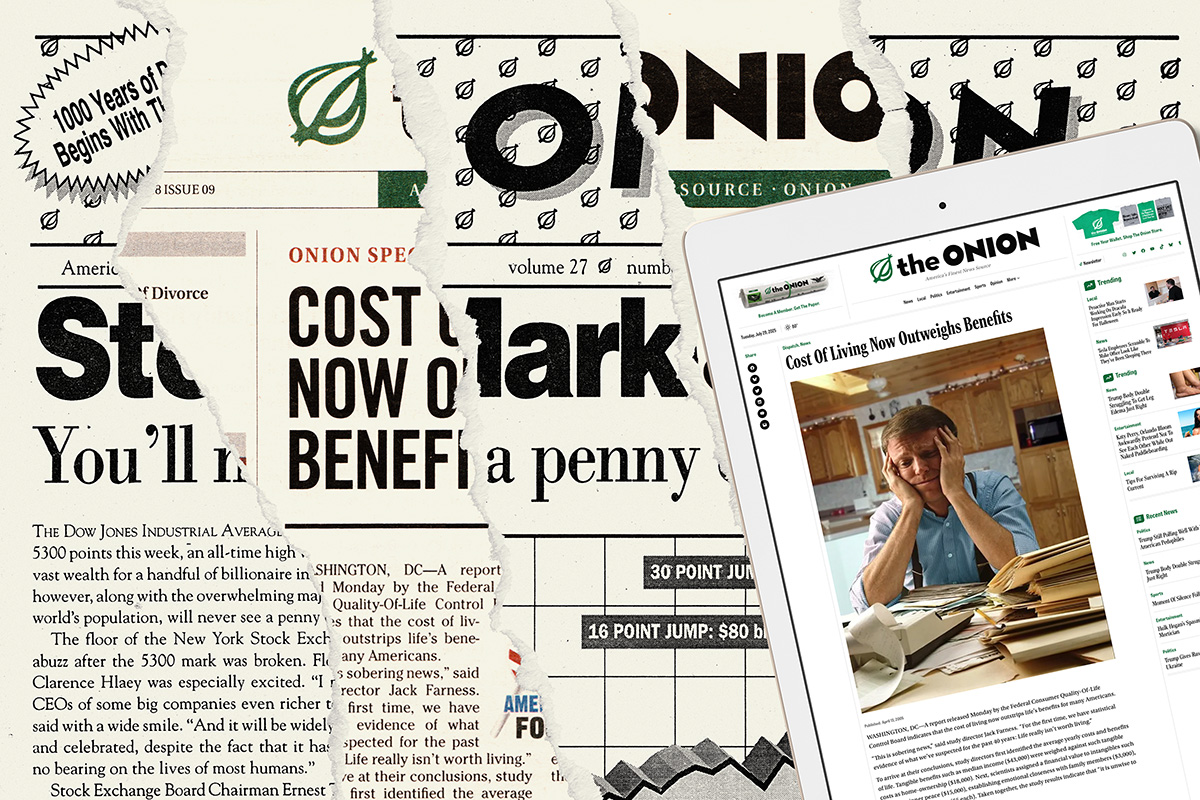
How Satirical Headlines Expose Government Absurdities
Satire collapses complexity into a single, sharp image. A well-crafted headline distills red tape, mixed messaging, or plain foolishness into a bite-sized truth. Political humor doesn’t replace analysis; it punctuates it. By making the ridiculous memorable, satire keeps voters engaged and holds decision-makers to account through ridicule — a surprisingly potent civic tool.

10 Jaw-Dropping Satirical Headlines and the Truths Behind Them
1) “Nation Introduces New ‘Invisibility Clause’ to Reduce Unwanted Public Feedback”
Why it’s funny: The image of a clause designed to render citizens’ opinions invisible skewers opaque policymaking.
What it’s lampooning: Backroom rule changes, gutted public comment periods, and procedural maneuvers that sidestep democratic oversight.
Key takeaway: When transparency is optional, trust evaporates. Satire here shines a light on the need for stronger, enforceable public-engagement rules.
2) “Government Launches ‘Paperwork Olympics’ — First Place Goes to Bureaucracy”
Why it’s funny: Equating bureaucracy to an athletic event playfully exaggerates endless forms and approvals.
What it’s lampooning: Overly complex regulatory processes that slow down progress and inflate administrative costs.
Key takeaway: Simplification isn’t just convenient — it saves money and improves outcomes. Humor motivates reform-minded conversations.
3) “Officials Announce Tax Cut for Futuristic Jetpacks; Meanwhile Roads Still Exist”
Why it’s funny: The disconnect between futuristic incentives and unresolved present problems highlights misplaced priorities.
What it’s lampooning: Policy choices that favor flashy projects or niche industries over basic public infrastructure needs.
Key takeaway: Budgetary decisions reflect values. Satire reveals when political theater trumps practical governance.
4) “City Council Votes to Replace Streetlights With Mood Lighting to Boost ‘Civic Vibes’”
Why it’s funny: Turning public safety equipment into a lifestyle aesthetic points at governance that confuses optics for outcomes.
What it’s lampooning: Decisions that prioritize appearances, PR, or trendy initiatives at the expense of safety and function.
Key takeaway: Effective governance serves fundamentals first. Humor calls attention to priorities that need rebalancing.
5) “New Policy Requires Citizens to Apply for Permission to Be Surprised by Budget Surpluses”
Why it’s funny: The absurdity of regulating citizens’ emotional responses underlines bureaucratic overreach.
What it’s lampooning: Overly intrusive policies and convoluted legislative language that create barriers for everyday people.
Key takeaway: When governments over-regulate small things, they often miss bigger problems. Satire highlights scale and proportion in policy-making.
6) “Ministry of Redundancies Announces Plan to Merge With Another Ministry Doing the Same Thing”
Why it’s funny: Stacking redundancy on redundancy playfully indicts inefficient organizational structures.
What it’s lampooning: Government departments with overlapping responsibilities, inflated payrolls, and unclear accountability.
Key takeaway: Structural reform and clearer mandates can eliminate waste. Satire shows how obvious fixes often go unaddressed.
7) “Officials Blame Weather for Policy Disaster, Weather Appreciates the Partnership”
Why it’s funny: Anthropomorphizing the weather and watching it claim political responsibility is delightfully absurd.
What it’s lampooning: Politicians shirking accountability by blaming external, uncontrollable factors for foreseeable consequences.
Key takeaway: Leaders must own decisions. Humor exposes evasive rhetoric and invites readers to ask, “Who’s actually responsible?”
8) “State Bans Common Sense; Local Citizens Confused for Following It”
Why it’s funny: The inversion — common sense outlawed, confusion rewarded — is pure satirical gold.
What it’s lampooning: Laws or regulations that run counter to practical experience or widely understood good judgment.
Key takeaway: Democratic systems should favor pragmatic solutions. Satirical headlines make the impractical painfully obvious.
9) “Government Announces New Task Force to Study Why Task Forces Keep Getting Created”
Why it’s funny: Recursive bureaucracy — a task force to study task-forces — exposes inefficiency through infinite regress.
What it’s lampooning: The tendency to create committees and studies instead of implementing actionable solutions.
Key takeaway: Action beats more meetings. Satire urges citizens to demand implementation timelines and measurable outcomes.
10) “National Strategy: Replace All Decision-Makers With AI, Politicians Promise More Human Error”
Why it’s funny: The role-reversal implies politicians think AI could do worse, which both exaggerates and critiques overreliance on technology.
What it’s lampooning: Overpromises about tech solutions and abdication of human accountability in decision-making.
Key takeaway: Technology can assist, not replace, governance. Satirical headlines prompt scrutiny of tech-driven policy shortcuts.

Why These Satirical Headlines Resonate With Readers
Satire works because it packages emotion, facts, and critique into a compact form. A single headline can trigger laughter, anger, and curiosity all at once — a powerful engagement trifecta. For satire enthusiasts, the joy is in the craft: puns, double meanings, and the satisfaction of a good takedown. For news junkies, the value is diagnostic: the headlines direct attention to decisions that deserve closer inspection.
Elements that make a satirical headline effective:
- Sharp contrast between expectation and reality
- Concise, punchy phrasing that delivers a cognitive jolt
- A clear target — whether a law, official, or systemic trend
- Underlying truth that rewards follow-up reading
- Verify the source: Make sure the piece comes from a recognized satirical outlet or is clearly labeled as satire.
- Context matters: When reposting, include a note or caption that signals it’s satire to avoid misinterpretation.
- Use it to start conversations: Share with a question or a call to action to encourage critical discussion, not just laughs.
- Cite the real issue: If the headline targets a specific policy, link to a reputable news story or government page to provide facts.
- Spark investigative reporting that uncovers deeper issues
- Rattle policymakers’ PR machines and force clarifying statements
- Increase civic engagement by making politics feel more accessible and less intimidating
- Use primary keywords naturally: “satirical headlines,” “government absurdities,” and “political humor” should appear in title, intro, and subheads.
- Meta description suggestion: “10 jaw-dropping satirical headlines exposing government’s craziest decisions — witty, eye-opening political humor for satire enthusiasts and news junkies.”
- Internal link suggestions:
- Link to an archive page of political satire (anchor text: “satire archive”).
- Link to a civic engagement or fact-checking resource (anchor text: “how to verify political claims”).
- External authoritative links:
- Link to major fact-checkers (e.g., PolitiFact, Snopes) when referencing specific claims.
- Link to official government portals when discussing policy context (e.g., official legislative pages).
- Social sharing: Provide prewritten tweet text with a humorous hook and a link, and ensure Open Graph tags show a witty excerpt and image.
- “Cartoon of a bureaucrat running a paperwork relay” (for the Paperwork Olympics headline)
- “Satirical mock headline collage lampooning government” (for header image)
- Use Article schema with headline, author, datePublished, and image properties to improve search visibility.
- Include keywords in meta tags and use long-form meta descriptions that attract clicks without misleading.
- Satire archive
- How to verify political claims
- Subscribe to weekly updates
- PolitiFact — fact-checking and analysis
- Snopes — myth-busting and satire verification
- USA.gov — official government information
- Tweet: “10 jaw-dropping satirical headlines exposing the government’s craziest decisions — laugh, then read the truth. [link] #PoliticalHumor #Satire”
- Facebook: “If you love satire and hate bureaucratic nonsense, you’ll enjoy these 10 headlines that nail government absurdities. Click for a laugh and some truth. [link]”

How to Read — and Share — Satirical Headlines Responsibly
Satire’s power is double-edged: it educates but can also mislead if taken literally. Responsible sharing keeps the joke honest and the conversation productive.
Tips for sharing satire wisely:

Satirical Headlines as a Civic Tool — Examples of Impact
Satirical headlines have influenced public discourse and policy in subtle ways. A well-timed lampoon can:
For example, in several countries, recurring satire about corruption led to sustained media scrutiny and public protests that pushed for transparency reforms. When humor meets evidence, it can catalyze real-world accountability.
SEO and Sharing Tips for Publishers
For site owners and content creators who want their satirical work to reach a wider audience, consider these optimizations:
Accessibility, Image Suggestions, and Schema
Image alt-text suggestions:
Schema recommendation:
Conclusion — Laugh, Think, and Act
Satirical headlines do more than entertain; they sharpen public perception and expose the absurdities that conventional reporting can sometimes normalize. From “Invisibility Clauses” to AI-run cabinets, the ten headlines above use humor to puncture pretension, reveal misplaced priorities, and prod citizens toward scrutiny. Enjoy the laughs, but don’t stop there: use satire as a springboard for inquiry, verification, and civic engagement.
Satire is both mirror and megaphone — it reflects the ridiculous and amplifies the call for accountability.
Call to Action
If you crave more witty, eye-opening political humor that keeps you laughing while it informs, subscribe for more hilarious updates. Get weekly satirical headlines, deep dives into government absurdities, and curated political humor for satire enthusiasts and news junkies.
Recommended internal links:
Suggested external links:
Social sharing copy (examples):
—
Written for satire enthusiasts and news junkies who enjoy their humor with a side of civic seriousness. Subscribe for more hilarious updates that inform and entertain.
Image credits and alt text included above.


