
We’re living through a weird moment in celebrity culture. On one hand, we’ve got more access to famous people than ever before. On the other, we’re collectively exhausted by the constant stream of celebrity content that floods our feeds every single day.
That’s where funny celebrity news comes in.
Satirical celebrity content has exploded in 2025, and it’s not hard to see why. When traditional celebrity journalism feels increasingly manufactured and PR-driven, satire offers something refreshing: permission to laugh at the absurdity of fame itself. These formats don’t just mock celebrities; they poke fun at our collective obsession with them.
Why Celebrity Satire Resonates Right Now
Social media has turned everyone into a celebrity watcher. We see what they eat for breakfast, how they work out, which products they’re hawking this week. It’s overwhelming, and frankly, a lot of it feels ridiculous when you step back and think about it.
Satirical formats give us a way to process this information overload. They let us acknowledge that yes, we’re still interested in celebrity culture, but we’re also aware of how silly the whole thing can be. It’s a form of cultural self-awareness wrapped in humor.
The best funny celebrity news taps into this tension. It mirrors the earnest tone of traditional celebrity journalism while highlighting its inherent absurdity. When you read a completely serious analysis of a celebrity’s coffee order, you’re laughing at both the fictional piece and the real articles that aren’t that far off.
Making Satire Obvious Without Killing the Joke
Here’s the tricky part: good satire needs to be obvious enough that people get the joke, but subtle enough that it’s still funny. Nobody wants to read a parody article with “THIS IS SATIRE” plastered across the top in flashing letters.
Most successful satirical content signals its intent through exaggeration and absurdity. The details are just slightly too ridiculous to be real. A celebrity interview about their secret life as a competitive cheese sculptor? That’s clearly not real, but it’s funny because it mimics the breathless tone of actual celebrity profiles.
Disclaimers help too, but they work best when they’re subtle. Many satire sites include a small note in their about section or at the bottom of articles. The key is making your comedic intent clear through the content itself first.

Interview-Based Satire Formats
Fake interviews have been a staple of comedy for decades, but they’ve evolved significantly in recent years. These three formats represent different approaches to the same basic concept: what if we interviewed celebrities about completely absurd topics?
Format #1: The Completely Fabricated Celebrity Interview
This format is exactly what it sounds like: a fully invented Q&A session with a celebrity discussing topics they’ve never actually discussed. The magic happens when you maintain the structure and tone of a legitimate interview while the content spirals into absurdity.
The questions need to sound like something a real interviewer might ask, at least initially. Then you gradually introduce increasingly ridiculous elements. Maybe the celebrity reveals an unexpected hobby, then that hobby becomes more and more elaborate until you’re reading about their underground competitive cheese sculpting circuit.
What makes this format work is specificity. Generic absurdity isn’t funny. But detailed, weirdly specific absurdity? That’s comedy gold. Don’t just say the celebrity has a weird hobby; describe their custom-built cheese sculpting studio, their rivalry with a fellow sculptor, their controversial stance on cheddar versus gouda as a medium.
Format #2: The Awkward Interview Style
Zach Galifianakis popularized this format with Between Two Ferns, and it’s been adapted countless times since. The premise is simple: create deliberately uncomfortable moments by asking inappropriate questions, making awkward observations, or just being generally weird.
This format works because it subverts our expectations of celebrity interviews. We’re used to softball questions and carefully managed interactions. When someone breaks those unspoken rules, it’s both cringe-inducing and hilarious.
The key is commitment. Half-hearted awkwardness isn’t funny; it’s just uncomfortable. You need to fully embrace the cringe, pushing past the initial discomfort into territory that’s so awkward it becomes absurd.
Format #3: The Overly Serious Interview About Trivial Topics
This might be my favorite format because it’s so versatile. Take something completely mundane about a celebrity’s life and treat it with the gravitas typically reserved for discussions of world peace or climate change.
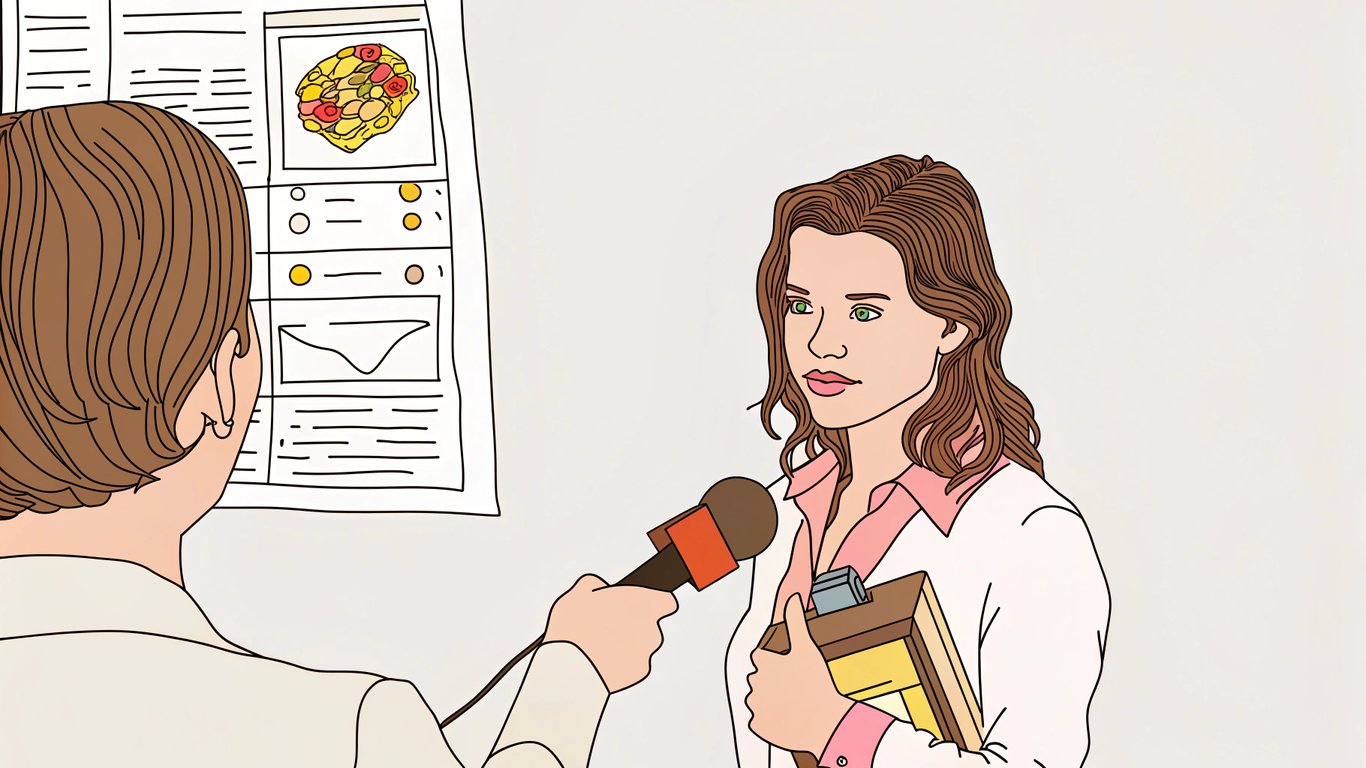
The humor comes from the mismatch between tone and content. When you write a 2,000-word investigative piece about how a celebrity chooses their breakfast cereal, complete with expert analysis and historical context, you’re highlighting how seriously we sometimes take celebrity minutiae.
This format requires strong writing skills. You need to convincingly mimic serious journalism while maintaining awareness that your subject matter is ridiculous. The best examples include real journalistic techniques like multiple sources, detailed research, and thoughtful analysis, all applied to something that absolutely doesn’t warrant that level of attention.
Written Parody Formats
Text-based satire requires a different skill set than interview formats. You’re not relying on the back-and-forth of conversation; instead, you’re crafting a complete narrative or argument that mimics legitimate journalism while delivering absurdist content.
Format #4: The Parody Think Piece
Think pieces have become a staple of online journalism, analyzing everything from pop culture to politics through various theoretical lenses. Parody think pieces take this format and apply it to celebrity behavior that absolutely doesn’t need deep analysis.
The formula is straightforward: take a trivial celebrity action and analyze it through an unnecessarily complex theoretical framework. A celebrity’s coffee order becomes a meditation on late-stage capitalism. Their Instagram posts get deconstructed through a post-modern lens.
What makes this format particularly effective is that it’s not that far removed from actual celebrity journalism. We’ve all seen earnest articles analyzing what a celebrity’s fashion choices say about society. Parody think pieces just push that tendency to its logical extreme.
Format #5: The Satirical Celebrity Profile
Celebrity profiles typically follow a predictable structure: background information, career highlights, personal anecdotes, and insights into their creative process. Satirical profiles maintain this structure while filling it with increasingly absurd details.
The trick is starting relatively normal and gradually introducing weird elements. Maybe the celebrity’s childhood seems ordinary at first, but then you mention their formative experience training dolphins in their backyard pool. Each paragraph adds another layer of absurdity while maintaining the serious, contemplative tone of a real profile.
These work best when they mimic the writing style of prestigious publications. The more seriously you treat ridiculous subject matter, the funnier it becomes.
Format #6: The Fake Celebrity Advice Column
Advice columns have been around forever, and celebrity advice columns are a natural extension. Satirical versions feature celebrities giving hilariously inappropriate or absurd advice on topics they’re comically unqualified to address.
The humor comes from the mismatch between the celebrity’s expertise and the questions they’re answering. An action star giving relationship advice? A reality TV personality discussing quantum physics? The more disconnected the celebrity is from the topic, the funnier their confident, detailed responses become.
This format also allows for recurring content. Once you establish a celebrity advice column, you can keep producing new installments with different questions and increasingly ridiculous answers.
Visual and Multimedia Satire Formats
Not all funny celebrity news needs to be text-based. Visual and multimedia formats have become increasingly popular, especially on platforms like TikTok and Instagram where visual content dominates.
Format #7: Fake Paparazzi Photos with Absurd Captions
This format takes real celebrity photos and repurposes them with satirical captions that create entirely fictional narratives. A mundane photo of a celebrity getting coffee becomes evidence of their secret double life or involvement in an elaborate conspiracy.
The key is finding photos that can support multiple interpretations. Candid shots work best because they’re not carefully staged. A celebrity looking at their phone could be checking messages, or according to your caption, they could be coordinating a heist.
This format works particularly well on social media where images and captions are consumed quickly. The juxtaposition between the ordinary photo and the extraordinary caption creates instant comedy.
Format #8: The Mock Documentary Style
Short-form video content has exploded on platforms like TikTok and YouTube, and mock documentaries have found a natural home there. These videos parody serious documentary styles while covering ridiculous celebrity topics.
The format typically includes dramatic narration, serious music, and careful editing that mimics real documentaries. But the subject matter is absurd: a deep dive into a celebrity’s coffee preferences, an investigation into their pet’s Instagram influence, or a historical analysis of their hairstyle evolution.
What makes these effective is production value. The more professional your mock documentary looks and sounds, the funnier the contrast with your ridiculous subject matter becomes.
Format #9: The Satirical Celebrity Social Media Account
Parody social media accounts have been around since the early days of Twitter, but they’ve evolved significantly. The best ones don’t just make jokes; they create an entire fictional persona that exaggerates certain aspects of celebrity culture.
These accounts work best when they maintain consistency. You’re not just posting random jokes; you’re building a character with specific quirks, obsessions, and patterns. The humor comes from watching this exaggerated persona interact with current events and trends.
The challenge is keeping it funny without crossing into mean-spirited territory. The best parody accounts punch up at celebrity culture itself rather than targeting individuals’ personal struggles or insecurities.
Experimental and Hybrid Formats
Some of the most creative funny celebrity news content comes from formats that blend multiple approaches or create entirely new structures. These experimental formats push boundaries and often become templates for future satire.
Format #10: The Silly Conspiracy Theory Exposé
Conspiracy theories have a specific format: breathless revelations, connecting unrelated dots, and an insistence that the truth is being hidden. Satirical versions apply this format to ridiculous celebrity secrets.
Maybe you’re exposing the truth that all celebrities are actually the same person wearing different wigs. Or you’re investigating the Illuminati connection between celebrity pet names. The more elaborate and detailed your fake conspiracy, the funnier it becomes.
This format requires careful handling. Real conspiracy theories can be harmful, so it’s important to make your satirical intent extremely clear. The absurdity should be obvious enough that nobody could mistake it for a genuine conspiracy theory.
Format #11: The Fake Celebrity Feud Timeline
Celebrity feuds generate massive attention, so satirical versions create elaborate timelines of completely fictional drama between celebrities over absurd issues.
The format mimics investigative journalism, tracking the supposed feud from its origins through various escalations. Maybe two celebrities are feuding over who invented a particular sandwich. Each entry in the timeline adds new ridiculous details while maintaining the serious tone of actual feud coverage.
What makes this format work is specificity. Don’t just say they’re feuding; create dates, locations, and detailed accounts of each supposed incident. The more elaborate your fictional timeline, the more convincing and funny it becomes.
Format #12: The Satirical Leaked Document
This format presents fake contracts, tour riders, emails, or internal memos that supposedly reveal behind-the-scenes celebrity demands or behaviors. The humor comes from the contrast between the official document format and the ridiculous content.
Tour riders are particularly ripe for satire because real celebrity riders sometimes include genuinely weird demands. Satirical versions push this to extremes: impossible requests, absurdly specific requirements, or demands that reveal fictional character quirks.
The key is nailing the format. Your fake document needs to look and read like a real one, complete with appropriate language, structure, and details. The more authentic the format, the funnier the absurd content becomes.
What Makes These Formats Work
After looking at all these formats, some common patterns emerge. The most successful funny celebrity news shares certain characteristics that make it effective, engaging, and shareable.
The Balance Between Absurdity and Believability
The best satire walks a fine line. Too believable and people might think it’s real. Too absurd and the joke falls flat. You want readers to do a double-take, to think for just a moment that maybe this could be real before realizing it’s satire.
This balance is what makes satire shareable. People enjoy that moment of uncertainty, and they want to share it with others. It’s why satirical headlines often go viral; they’re just plausible enough to make people pause.
Punching Up vs. Punching Down
Good celebrity satire targets fame and celebrity culture itself rather than individuals’ personal struggles. There’s a difference between making fun of the absurdity of celebrity worship and mocking someone’s appearance or personal problems.
The best formats punch up at the systems and structures of celebrity culture. They highlight how ridiculous our collective obsession with famous people can be, not how ridiculous the famous people themselves are as individuals.
Timing and Cultural Relevance
Satire works best when it taps into current conversations. The most shareable funny celebrity news references recent events, trending topics, or ongoing cultural discussions.
This doesn’t mean you need to chase every trend, but awareness of what’s happening in celebrity culture helps you create more resonant satire. When everyone’s talking about a particular celebrity moment, that’s your opportunity to offer a humorous take.
Creating Your Own Funny Celebrity Content
If you’re interested in creating satirical celebrity content, the good news is that you don’t need expensive equipment or a huge platform to start. You just need creativity, awareness of current celebrity culture, and understanding of these formats.
Choosing Your Format Based on Your Strengths
Different formats require different skills. If you’re a strong writer, text-based formats like parody think pieces or satirical profiles might be your best bet. If you’re comfortable on camera, mock documentaries or awkward interview formats could work well.
Start with formats that play to your existing strengths. You can always expand into other formats later as you develop new skills and find your voice.
Tools and Platforms for 2025
The platform you choose depends on your format. TikTok and Instagram work well for short-form video content and visual satire. Twitter (or X, or whatever it’s called this week) is good for quick jokes and satirical social media accounts. Substack or Medium work well for longer written pieces.
For video content, you don’t need professional equipment. Most smartphones shoot high-quality video, and free editing apps like CapCut or iMovie can handle basic editing needs. As you grow, you can invest in better equipment, but don’t let lack of gear stop you from starting.
Legal and Ethical Considerations
Parody is generally protected speech, but you still need to be careful. Make your satirical intent clear through obvious exaggeration, disclaimers, or context. Don’t present satire as fact, and avoid making claims that could be genuinely damaging if believed.
When using celebrity images, understand fair use principles. Transformative use for commentary or parody is typically protected, but you’re not a lawyer and neither am I, so consider consulting one if you’re planning to do this seriously.
Most importantly, keep your satire focused on celebrity culture and fame rather than targeting individuals’ personal lives or struggles. Funny celebrity news should make people laugh at the absurdity of celebrity worship, not at celebrities as people.
Where Celebrity Satire Goes From Here
Celebrity satire isn’t going anywhere. As long as we’re obsessed with famous people, we’ll need ways to laugh at that obsession. The formats might evolve, but the underlying impulse remains constant.
Emerging Formats to Watch
AI is already influencing satire in interesting ways. We’re seeing deepfake parodies, AI-generated satirical content, and formats that play with the line between human and machine-created comedy. These technologies raise new ethical questions, but they also open up creative possibilities.
Interactive formats are also gaining traction. Choose-your-own-adventure style satire, interactive timelines, and formats that let audiences participate in the joke represent the next evolution of celebrity satire.
Why We’ll Always Need Celebrity Satire
Celebrity culture isn’t going away, and neither is our complicated relationship with it. We’re simultaneously fascinated and exhausted by famous people, drawn to their lives while recognizing the absurdity of that attraction.
Satire gives us a way to engage with celebrity culture while maintaining critical distance. It lets us enjoy the spectacle while acknowledging how ridiculous it all is. That’s a valuable cultural function, and it’s why funny celebrity news will continue to thrive.
The formats might change, the platforms might evolve, but the basic human need to laugh at ourselves and our obsessions remains constant. Celebrity satire serves that need, and it does so in ways that are entertaining, thought-provoking, and occasionally even insightful.
Support Independent Satire
Your contribution helps keep True Free World confusing the powerful, enlightening the masses, and occasionally breaking international law by accident.


