
Satirical exposés occupy a weird space in modern media. They’re not real journalism, but they comment on real journalism. They’re not actual conspiracy theories, but they mock the logic that makes conspiracy theories spread. When done right, a faux-exposé about fake celebrity scandals with government cover-ups can make people laugh while also making them think about how easily we’re manipulated by sensational headlines.
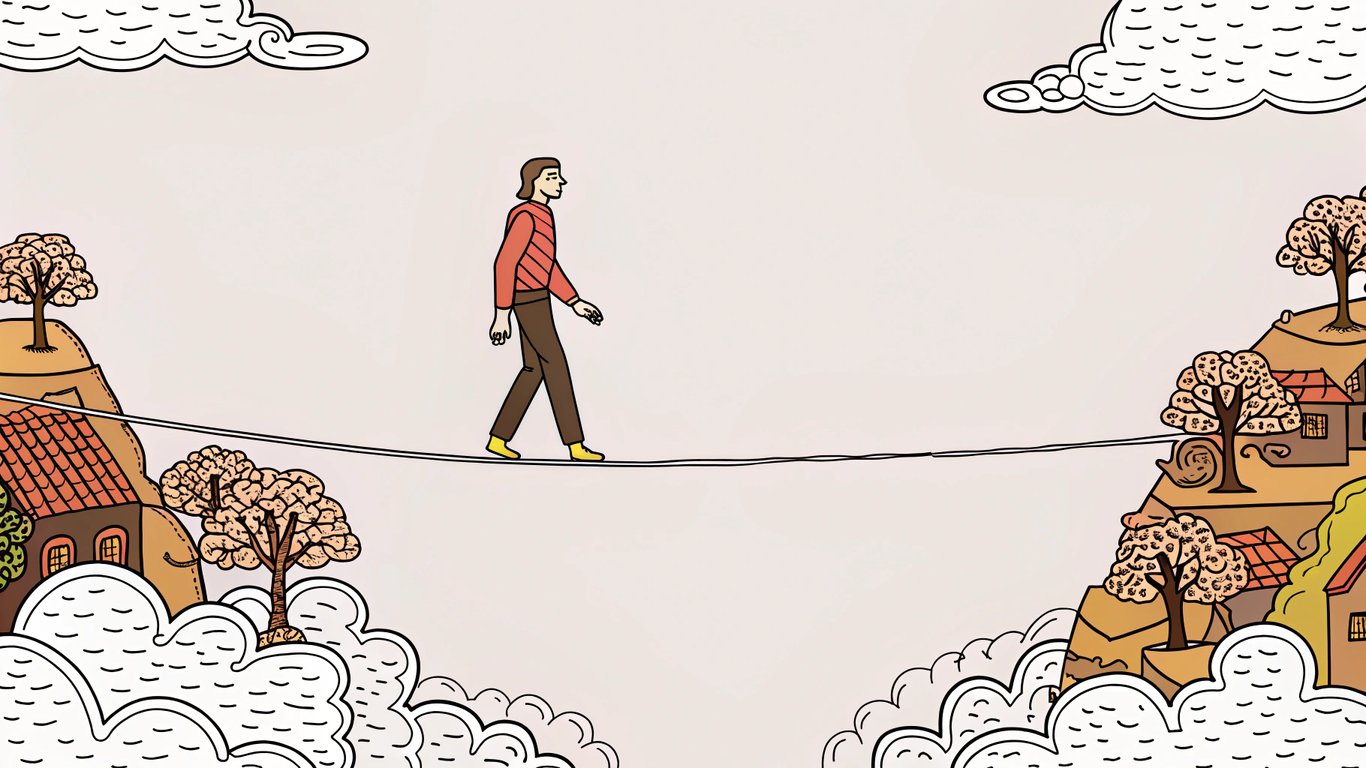
The key is walking that tightrope between convincing and obviously absurd.
Why Fake Celebrity Scandals Matter in Satire
Publications like The Onion and Clickhole have mastered the art of satirical news. They understand that the best satire doesn’t just make you laugh. It holds up a mirror to society’s weirdest behaviors and makes you recognize yourself in the reflection.
Celebrity scandal satire works because we’re genuinely obsessed with famous people’s private lives. We consume tabloid content even when we know it’s probably exaggerated or false. A well-crafted faux-exposé exaggerates this obsession to the point of absurdity, forcing us to confront how ridiculous our celebrity worship actually is.
The Ethics of Parody: Staying on the Right Side of Humor
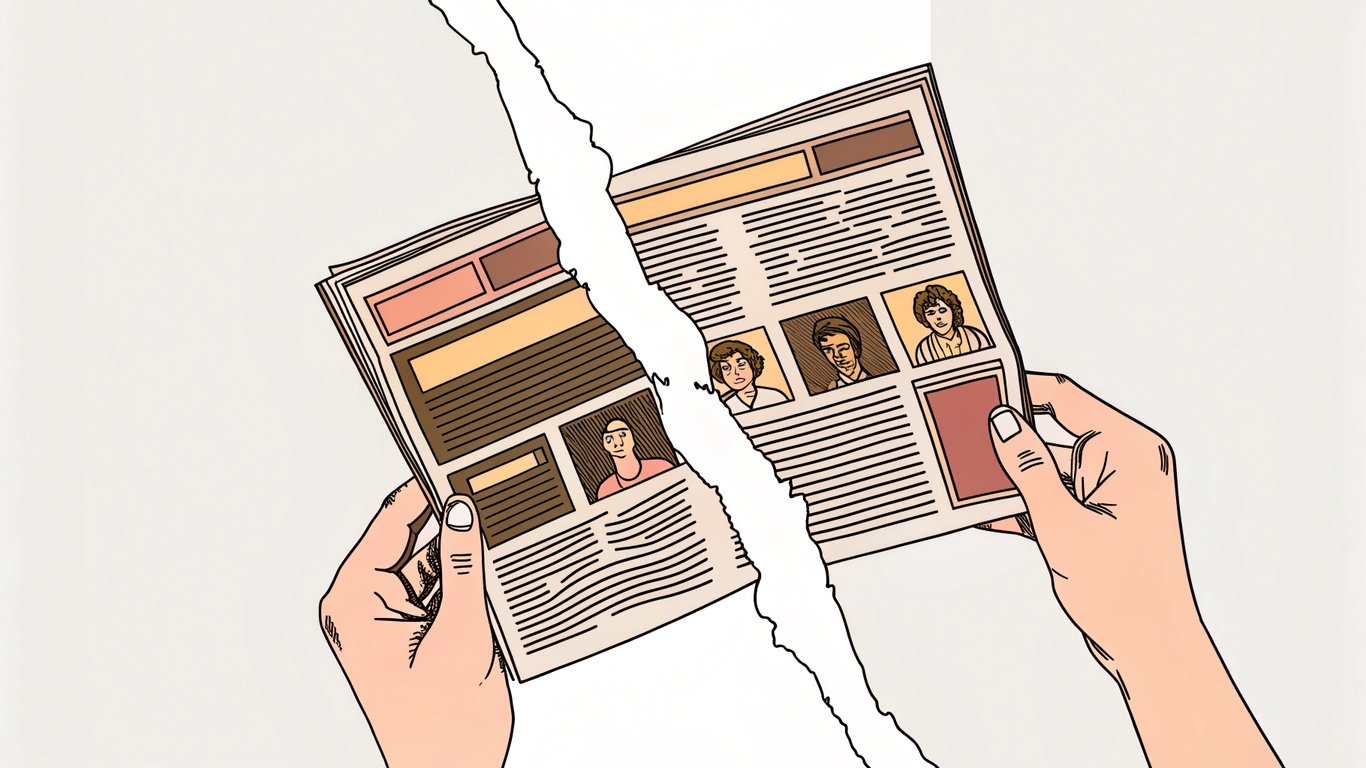
Here’s where things get serious for a moment. With deepfakes and AI-generated content becoming increasingly sophisticated, the line between satire and misinformation has gotten dangerously blurry. You’ve got a responsibility to make sure your audience knows they’re reading fiction.
This means clear labeling. Obvious disclaimers. And embedding enough absurd details that anyone paying attention will recognize it’s fake. You’re not trying to actually fool people. You’re creating something that’s almost believable enough to highlight how easily we could be fooled by real misinformation.
Famous Examples That Got It Right
The Onion’s approach to celebrity satire typically involves creating completely fictional scenarios that feel emotionally true. They don’t claim real celebrities did specific things. Instead, they create composite characters or situations that comment on celebrity culture broadly.
Clickhole takes a different approach, often creating content that’s so aggressively weird that it’s impossible to mistake for reality. Both strategies work because they understand their audience and platform.
Choose Your Celebrity and Scandal Foundation
Your first decision shapes everything else. You need a celebrity target and a scandal type that’ll resonate with your audience while remaining clearly fictional.
Picking a Celebrity: Public Figures vs. Fictional Personas
The safest approach? Create a completely fictional celebrity. Give them a ridiculous name like “Brantley Steele” or “Crystalline Moonbeam.” Make them famous for something absurd. This avoids any potential legal issues while giving you complete creative freedom.
If you’re referencing real celebrities, keep it vague and clearly parodic. Don’t attribute specific false actions to real people. Instead, create situations that comment on their public persona or the media’s treatment of them.
Selecting Your Scandal Type
The best satirical scandals fall into a few categories:
- Secret identity scandals where the celebrity is actually someone or something else entirely
- Impossible achievement scandals involving feats that defy physics or logic
- Bizarre hobby scandals revealing absurdly mundane or ridiculous private interests
- Time travel or immortality scandals that explain their success through supernatural means
- Corporate conspiracy scandals where they’re secretly controlled by shadowy organizations

The Absurdity Sweet Spot
This is probably the trickiest part. Your scandal needs to be believable enough that the setup works, but absurd enough that no reasonable person would think it’s real. Think about it like seasoning food. Too little absurdity and people might actually believe you. Too much and the joke falls flat because it’s not even remotely convincing.
A good test: Would this scandal make someone pause for half a second before they realize it’s ridiculous? That’s your sweet spot.
Construct Your Government Cover-Up Conspiracy
Now we’re getting to the fun part. Weaving in fake celebrity scandals with government cover-ups requires understanding how real conspiracy theories work so you can parody them effectively.
Understanding Conspiracy Theory Tropes
Real conspiracy theories share common elements. There’s always a shadowy organization pulling strings. There are always “leaked” documents that conveniently prove the theory. There’s always a reason why mainstream media won’t cover it. And there’s always circular logic that makes the conspiracy unfalsifiable.
Your parody should exaggerate these elements until they’re obviously ridiculous while still maintaining the structure of conspiracy thinking.
Creating Your Fictional Government Agency
Government agencies love acronyms. So should your fictional one. The key is making it sound official while being obviously fake. Something like:
- Department of Celebrity Affairs and Public Perception (DCAPP)
- Federal Bureau of Entertainment Regulation (FBER)
- National Agency for Star Management and Control (NASMC)
- Office of Famous Person Oversight (OFPO)
Give your agency a ridiculous mission statement and bureaucratic structure. Real government agencies have convoluted hierarchies, so yours should too.
The Cover-Up Timeline: Building Your Narrative Arc
Every good exposé needs a timeline. Start with the initial incident, then show how the cover-up allegedly unfolded. Include specific dates that don’t quite add up. Reference events that couldn’t have happened in that order. The contradictions are part of the joke.
Your timeline might look something like this: Celebrity does impossible thing. Government notices. Cover-up begins. Whistleblower emerges. Documents leak. More cover-up attempts. Final revelation. Each stage should escalate the absurdity.
Why Would They Cover THIS Up? The Motivation Question
The government’s motivation for covering up your celebrity scandal should be hilariously disproportionate to the actual scandal. Maybe they’re worried about “national morale” or “the fabric of reality” or “international treaty obligations regarding celebrity authenticity.”
The more bureaucratic and convoluted the reasoning, the better. Real government decisions often seem inexplicable, so lean into that.
Craft Convincing (But Fake) Evidence
Evidence is what sells the bit. You need documentation that looks authentic enough to be funny but includes obvious tells that it’s satire.
Writing Fake Leaked Documents and Memos
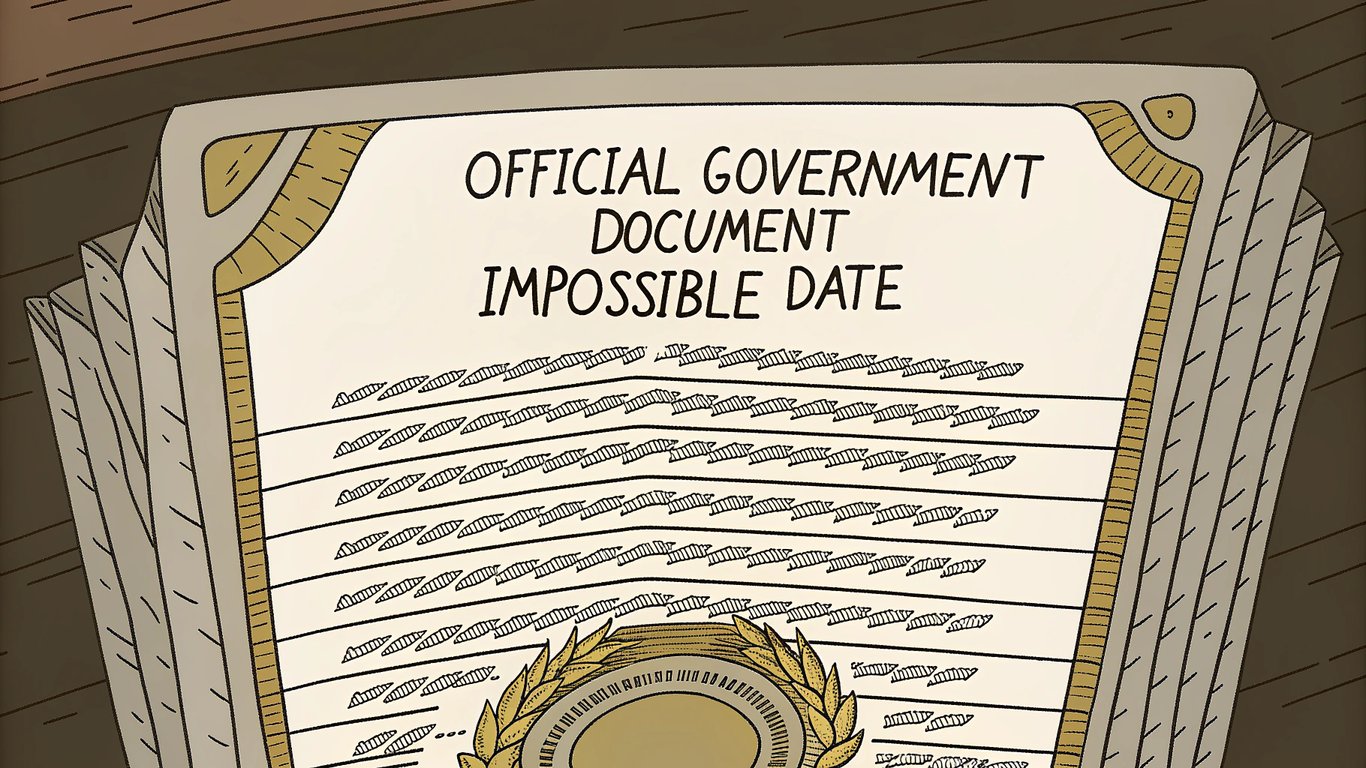
Government documents have a specific style. They’re formal, bureaucratic, and often unnecessarily complicated. Your fake documents should mimic this style while including absurd content.
Use phrases like “pursuant to,” “in accordance with,” and “hereby authorized.” Include reference numbers that are obviously fake (like “Document #LOL-2024-FAKE”). Date them impossibly (“February 31st, 2023”). The contrast between official language and ridiculous content creates the humor.
Fabricating Expert Testimony and Anonymous Sources
Your experts should have credentials that sound impressive but are clearly nonsense. “Dr. Firstname Lastname, Professor of Celebrity Metaphysics at the University of Nowhere.” Or “Former DCAPP agent who spoke on condition of anonymity because they fear being reassigned to the Department of Boring Paperwork.”
Give them quotes that use technical jargon incorrectly or describe impossible scenarios with complete seriousness.
Creating Mock Photo ‘Evidence’ and Digital Artifacts
Here’s where you need to be careful. Don’t actually create deepfakes or manipulated images that could be mistaken for real photos. Instead, describe photographic evidence in your text. “A grainy photograph allegedly shows…” or “The leaked image, which experts say is clearly doctored, appears to depict…”
This approach lets you include visual “evidence” in your narrative without actually creating misleading imagery.
The Art of the Redacted: What to Hide and What to Reveal
Strategic use of [REDACTED] is comedy gold. Redact things that don’t need redacting. Leave unredacted things that probably should be redacted. Create patterns that make no sense.
Example: “The celebrity was observed [REDACTED] at approximately 3:47 PM while eating a sandwich in Central Park, which violated Protocol [REDACTED] regarding public consumption of lunch items.”
Master the Exposé Writing Style
Writing style makes or breaks your faux-exposé. You need to sound like a serious investigative journalist while reporting on something completely ridiculous.
Mimicking Investigative Journalism Language
Real investigative journalism uses specific phrases. “Sources close to the investigation say…” “Documents obtained by this reporter reveal…” “When reached for comment, representatives declined to respond…”
Use these phrases with complete sincerity while reporting absurd facts. The disconnect between serious tone and ridiculous content creates the humor.
The Power of Specific (Ridiculous) Details
Vague satire isn’t funny. Specific satire is hilarious. Don’t say “the celebrity did something weird.” Say “the celebrity was observed communicating with pigeons using a series of elaborate hand gestures at exactly 4:23 AM on seven consecutive Tuesdays.”
The specificity makes it feel more “real” while the content makes it obviously fake.
Building Suspense with Absurdity
Structure your revelations so each one is more ridiculous than the last. Start with something mildly weird, then escalate. “At first, investigators thought the celebrity was simply eccentric. Then they discovered the underground lair. Then they found the portal to another dimension. Then things got really strange.”
Footnotes, Citations, and Fake Sources
Academic-style citations add authenticity. Create a bibliography of fake sources with ridiculous titles. “Johnson, B. (2023). ‘Celebrity Behavior Patterns and Government Intervention: A Longitudinal Study.’ Journal of Implausible Research, 47(3), 112-145.”
Reference Freedom of Information Act requests that returned documents about “Celebrity Management Protocols” or “Entertainment Industry Oversight Procedures.”
Add Layers of Satirical Commentary
The best satire isn’t just funny. It makes a point. Your faux-exposé should comment on real issues while entertaining readers.
Parodying Media Sensationalism
Real media outlets often blow celebrity stories out of proportion. Your satire should exaggerate this tendency. Use breathless language. Include “exclusive” and “breaking” tags. Create urgency around something completely unimportant.
“BREAKING: Sources confirm celebrity may have done thing. More details as this story develops. Refresh page constantly for updates.”
Satirizing Conspiracy Theory Logic
Conspiracy theories often use circular reasoning. “The lack of evidence proves the cover-up is working.” Your satire should highlight this logic by taking it to extremes. “The fact that no one has ever heard of this scandal proves how effective the cover-up has been.”
Commentary on Celebrity Culture and Parasocial Relationships
We form weird one-sided relationships with celebrities. We feel like we know them even though we don’t. Your satire can highlight this by showing how invested people become in celebrities’ private lives, even when those “private lives” are completely fabricated.
Signal Satire and Publish Responsibly
This is the most important section. You’ve created something funny, but you need to make absolutely sure people understand it’s fiction.
Clear Labeling: Satire Tags and Disclaimers
Put “SATIRE” in your headline or immediately below it. Include a disclaimer at the top and bottom of your piece. Make it impossible to miss. “This is a work of satire. All events, people, and organizations described are fictional.”
Don’t bury the disclaimer in fine print. Make it prominent.
Easter Eggs and Obvious Tells
Embed signals throughout your piece that mark it as fake. Use impossible dates. Include self-contradictions. Reference fictional locations. Give characters ridiculous names. Someone skimming should encounter multiple red flags that this isn’t real.
Choosing the Right Platform
Publish on platforms known for satire or clearly mark your content as satirical. Don’t post it in news forums or present it as real journalism. Context matters enormously.
Personal blogs are fine if you include clear disclaimers. Dedicated satire sites are better. Social media requires extra caution because context gets stripped away when things are shared.
Responding to Misunderstandings
Despite your best efforts, someone will probably take your satire seriously. When this happens, respond politely and clearly. “This is satire. It’s not real. Here’s the disclaimer.” Don’t be condescending. Just clarify.
If your satire is being widely misunderstood, consider adding more obvious signals or taking it down. The goal is humor, not confusion.
The Impact of Well-Crafted Satirical Exposés
Good satire serves a purpose beyond entertainment. It helps people recognize manipulation tactics, question sensational headlines, and think critically about the media they consume.
Satire as Social Mirror
When someone reads your faux-exposé and laughs, they’re recognizing something true about how media works. They’re seeing the patterns that real misinformation uses. They’re becoming slightly more media literate.
That’s valuable. Satire that makes people think while making them laugh is doing important cultural work.
Your Turn: Getting Started
Ready to create your own satirical exposé? Start simple. Pick a fictional celebrity. Invent an absurd scandal. Create a ridiculous government agency to cover it up. Write it with complete seriousness while including obvious tells that it’s fake. Label it clearly as satire.
The world needs more good satire. It needs people who can make us laugh while making us think. Just remember: the goal is insight wrapped in humor, not confusion disguised as comedy. Keep it obviously fake, clearly labeled, and genuinely funny.
Now go write something ridiculous.
Support Independent Satire
Your contribution helps keep True Free World confusing the powerful, enlightening the masses, and occasionally breaking international law by accident.


