
Celebrity conspiracy theories aren’t going anywhere. If anything, they’ve gotten weirder and more entertaining as social media amplifies every hand gesture, outfit choice, and award show moment into potential evidence of secret society membership.
Satirical content about celebrity Illuminati rituals serves a dual purpose. It pokes fun at the absurdity of conspiracy thinking while also commenting on the very real power structures in entertainment. When we joke about pop stars selling their souls for chart success, we’re actually talking about the exploitative nature of the music industry.
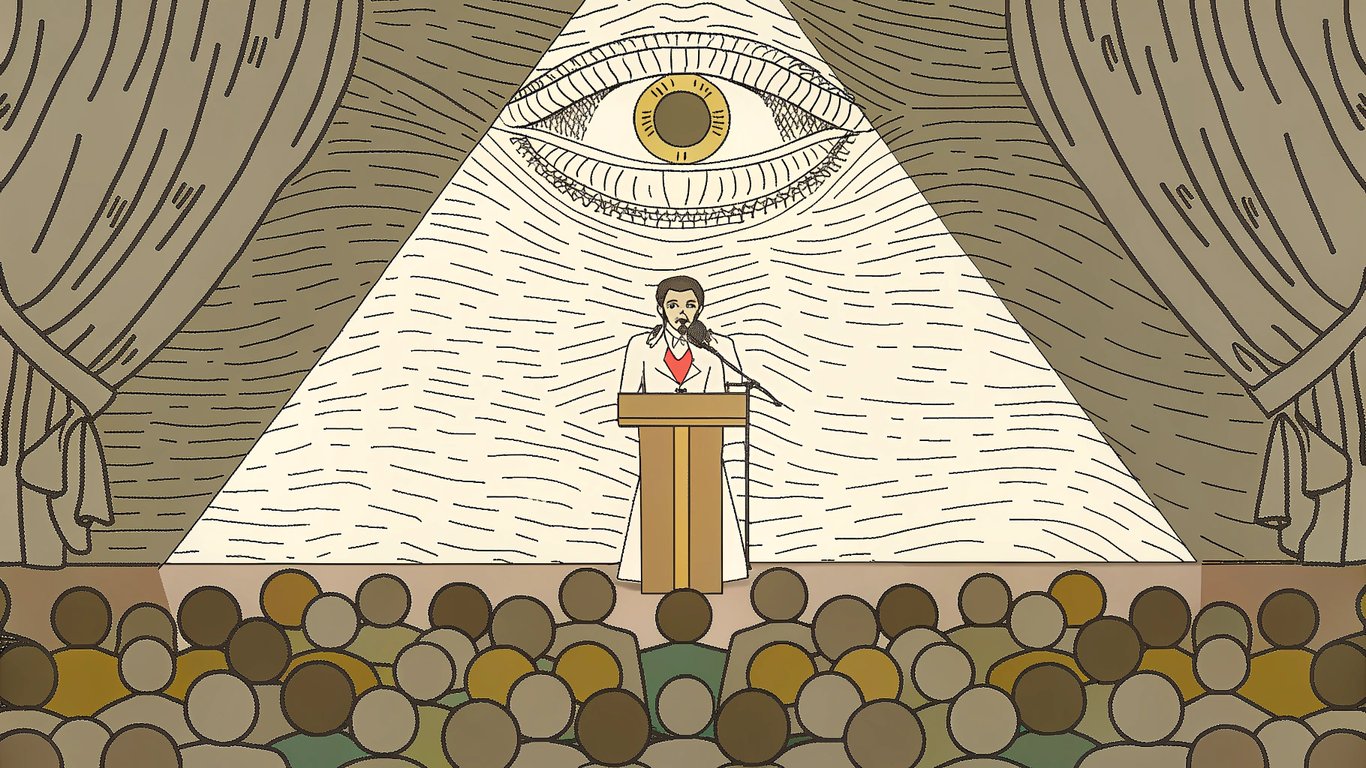
This swipe file gives you 50 ready-to-use satirical headlines organized into 10 thematic collections. Whether you’re a content creator looking for social media gold, a comedy writer building material, or a marketer wanting to add personality to your brand, these headlines offer a starting point for engaging with one of pop culture’s most persistent obsessions.
Why Illuminati Satire Resonates in 2025
We’re living in an era where conspiracy theories have moved from fringe forums to mainstream conversation. The Illuminati narrative, particularly around celebrities, taps into genuine anxieties about wealth inequality, media manipulation, and the concentration of power in entertainment.
Satire gives us permission to engage with these ideas without taking them seriously. It’s a pressure valve. When someone jokes that their favorite artist joined the Illuminati to get a Grammy nomination, they’re processing real feelings about how success seems arbitrary and connections matter more than talent.
The format also works because it’s inherently shareable. A punchy headline about a celebrity ritual is perfect for Twitter, Instagram stories, or TikTok captions. It invites engagement, sparks conversation, and often goes viral because it hits that sweet spot between absurd and almost believable.
What Makes a Great Satirical Headline
Effective satire headlines share common characteristics. They’re short, typically under 15 words. They reference specific cultural moments or celebrities without being mean-spirited. And they walk a fine line between ridiculous and plausible.
The best ones include a twist. You set up an expectation, then subvert it. “Local Man Discovers Triangle Symbol in Music Video, Immediately Becomes Conspiracy Expert” works because it mocks both the conspiracy theorist and the oversimplification of complex symbolism.
- Brevity matters: Keep it under 15 words for maximum impact
- Cultural specificity: Reference real events, awards, or celebrity moments
- Absurdity with logic: The premise should be ridiculous but follow internal consistency
- Punching up: Target powerful institutions and celebrities, not vulnerable groups
- Timing: Connect to current events for relevance
How to Use This Swipe File
These headlines aren’t meant to be copied verbatim. They’re templates and inspiration. You’ll want to adapt them to current events, swap in trending celebrities, or adjust the tone for your specific audience.
For social media, pair these headlines with relevant images or memes. On Twitter, they work as standalone tweets. On Instagram, they make great captions for pop culture commentary posts. For blog content, they can serve as section headers or pull quotes that break up longer analysis.
Comedy writers might use them as sketch premises or stand-up material jumping-off points. Content marketers can adapt the structure for brand-related humor that shows personality without being controversial.
The 10 Best Headline Swipe File Collections for Celebrity Illuminati Satire
#1: Award Show Ritual Headlines
Award ceremonies are prime territory for Illuminati satire. The pageantry, the exclusive access, the mysterious voting processes. It’s all ripe for mockery.

- “Oscars Backstage Area Revealed to Be Just One Giant Triangle”
- “Grammy Winner Thanks Illuminati Before Family in Acceptance Speech”
- “Met Gala Theme Next Year: ‘Casual Friday at Secret Society Headquarters'”
- “Celebrity Caught Doing Secret Handshake, Claims It Was Just Arthritis”
- “Award Show Producers Deny Ritual Allegations, Cite ‘Logistical Challenges'”
These work because award shows already feel exclusive and mysterious to outsiders. The satire writes itself when you exaggerate that exclusivity into full conspiracy territory.
#2: Music Industry Initiation Headlines
Music videos have long been analyzed for supposed Illuminati symbolism. Every pyramid, every eye, every hand gesture gets scrutinized by conspiracy theorists online.
- “Pop Star’s New Album Features 47 Triangles, Fans Concerned About Geometry Obsession”
- “Rapper Credits Success to ‘Hard Work, Dedication, and One Weird Ceremony'”
- “Music Video Director Admits All Those Symbols Were Just ‘Cool Looking'”
- “Billboard Chart Algorithm Reportedly Controlled by Mysterious Council of Elders”
- “Singer’s Vocal Coach Reveals Secret Technique: ‘Chanting in Latin Helps'”
The music industry angle works particularly well because there’s genuine mystery around how artists break through. Satire about secret rituals is really commentary on industry gatekeeping and the role of connections in success.
#3: Hollywood A-List Secret Society Headlines
Hollywood has always had exclusive clubs and networking groups. Satirizing them as full-blown secret societies just takes reality and cranks it up a few notches.
- “A-List Actor’s Mansion Reportedly Has ‘Suspicious Number of Candles'”
- “Casting Director Denies Illuminati Membership, Says Robe Was ‘Spa Day Outfit'”
- “Hollywood Power Lunch Spot Revealed to Have Secret Basement Meeting Room”
- “Actor Thanks ‘The Organization’ in Interview, Publicist Clarifies It Was Talent Agency”
- “Movie Studio Executive’s Calendar Blocked Every Full Moon for ‘Team Building'”
#4: Social Media Influencer Illuminati Headlines
The digital age needs digital conspiracy theories. Influencers chasing algorithms and viral fame make perfect targets for satire about modern celebrity rituals.
- “TikTok Star’s Viral Dance Allegedly Contains Hidden Morse Code Message”
- “Instagram Influencer’s Ring Light Suspiciously Shaped Like All-Seeing Eye”
- “YouTuber’s Subscriber Milestone Celebrated with ‘Totally Normal’ Midnight Ceremony”
- “Algorithm Expert Reveals Secret: ‘Just Post at 3 AM During Planetary Alignment'”
- “Influencer House Residents Required to Attend Weekly ‘Vision Board Rituals'”
These headlines resonate because the pursuit of virality already feels like dark magic to most people. The algorithms are mysterious, success seems random, and the whole ecosystem has a cultish quality that satire can highlight.
#5: Fashion and Beauty Industry Conspiracy Headlines
Fashion has always embraced symbolism and mystique. Runway shows are theatrical, exclusive, and often deliberately cryptic in their themes.
- “Supermodel’s Runway Walk Analyzed Frame-by-Frame for Secret Hand Signals”
- “Fashion Designer’s New Collection Features ‘Ceremonial Robes for Modern Woman'”
- “Beauty Mogul’s Product Launch Includes Suspiciously Elaborate Candle Lighting”
- “Makeup Tutorial Reveals Contouring Technique That ‘Opens Third Eye'”
- “Fashion Week Attendees Required to Sign NDA About ‘After-Party Activities'”
#6: Sports Celebrity Secret Society Headlines
Athletes celebrating championships or signing major endorsement deals provide plenty of material. The rituals of sports, from pre-game routines to victory celebrations, already have a ceremonial quality.
- “Championship Ring Design Includes ‘Surprisingly Specific Geometric Patterns'”
- “Athlete’s Pre-Game Ritual Involves ‘Meditation and Possibly Other Things'”
- “Sports Star’s Endorsement Deal Signing Ceremony Featured Unusual Number of Torches”
- “Halftime Show Choreographer Denies Symbolism, Says Triangles Are ‘Just Trendy'”
- “Team’s Victory Celebration Included Traditional Champagne and ‘Ancient Chanting'”
#7: Tech Billionaire Celebrity Headlines
Tech moguls have replaced traditional celebrities in many ways. Their influence over daily life through platforms and products makes them perfect subjects for conspiracy satire.
- “Tech CEO’s Product Launch Keynote Suspiciously Resembles Motivational Cult Meeting”
- “Billionaire’s Private Island Retreat Agenda Includes ‘Networking and Rituals'”
- “Cryptocurrency Founder’s White Paper Contains Hidden Messages in Code Comments”
- “Silicon Valley Conference Badge Reportedly Doubles as Secret Society Membership Card”
- “App Update Includes New Feature: ‘Subliminal Messaging for User Engagement'”
#8: Reality TV Star Illuminati Headlines
Reality TV already blurs the line between authentic and manufactured. Satirizing it as orchestrated by secret societies just makes explicit what viewers already suspect about producer manipulation.
- “Dating Show Contestant Reveals Rose Ceremony Was ‘More Ceremonial Than Expected'”
- “Reality Competition Winner Thanks ‘Producers, Family, and The Council'”
- “Reunion Show Host’s Questions Allegedly Written by ‘Focus Group of Hooded Figures'”
- “Reality Star’s Confessional Interview Interrupted by ‘Mandatory Ritual Break'”
- “Show’s Dramatic Eliminations Scheduled According to Lunar Calendar, Sources Claim”
#9: Celebrity Couple and Relationship Conspiracy Headlines
Celebrity relationships generate massive public interest. The idea that they’re orchestrated for publicity isn’t even that far-fetched, which makes the satire land harder.
- “Power Couple’s Wedding Planner Reveals Theme Was ‘Romantic Illuminati Chic'”
- “Celebrity Matchmaker Admits Using ‘Astrological Charts and Other Methods'”
- “Couple’s Relationship Timeline Perfectly Aligns with Both Album Release Cycles”
- “Engagement Ring Features Diamond Cut in ‘Suspiciously Symbolic’ Shape”
- “Celebrity Breakup Announcement Scheduled for Maximum Publicity, Minimum Moon Phase”
#10: Celebrity Scandal and Comeback Headlines
The redemption arc is a staple of celebrity culture. Satirizing it as a planned ritual acknowledges how formulaic and managed these comebacks often feel.
- “Celebrity’s Public Apology Includes Traditional Sorry and ‘Cleansing Ceremony'”
- “Scandal-Plagued Star’s Comeback Tour Kicks Off During ‘Auspicious Planetary Alignment'”
- “PR Team Recommends Six Months Silence and ‘One Symbolic Ritual of Renewal'”
- “Celebrity’s Tell-All Interview Reveals ‘I Was Lost, Then Found The Organization'”
- “Comeback Album Features Track Titled ‘Reborn Through Fire and Possibly Ritual'”
How to Craft Your Own Satire Headlines About Celebrity Illuminati Rituals
The Anatomy of a Viral Satire Headline
Great satirical headlines follow a formula. You need a setup that establishes normalcy, a twist that introduces the absurd element, and a punchline that lands the joke without over-explaining.
Start with something recognizable. “Pop Star Releases New Album” is boring. “Pop Star Releases New Album Featuring 12 Tracks and One Hidden Ritual” adds the twist. The humor comes from treating the ridiculous element as casually as the mundane details.
Timing matters enormously. A headline about award show rituals hits different during awards season. Reference specific recent events when possible. “Actor Thanks Illuminati” is generic. “Actor Thanks Illuminati Before Forgetting to Thank Director” is specific and funnier.
Balancing Humor with Sensitivity
Satire about real celebrities requires care. You’re mocking the conspiracy theories and celebrity culture, not the actual people. The target should always be power structures, not individuals.
Avoid anything that could be construed as defamatory. Saying someone “allegedly” performed a ritual is satire. Claiming they actually did something illegal crosses into dangerous territory. Keep it obviously absurd.
Don’t punch down. Satirizing a billionaire’s influence is fair game. Making fun of a struggling artist trying to break through isn’t. The best satire targets those with power and privilege.
Incorporating Current Events and Trending Topics
The most shareable satire headlines connect to what people are already talking about. Monitor trending topics on social media. When a celebrity does something newsworthy, that’s your opportunity.
Award shows, album drops, movie premieres, and celebrity feuds all provide fresh material. The key is speed. Satirical content has a short shelf life. If you’re commenting on something from three weeks ago, you’ve probably missed the window.
Best Practices for Using Satirical Headlines in Content Marketing
Platform-Specific Strategies
Twitter works best for standalone headlines. Keep them under 280 characters and pair with a relevant emoji or two. The platform rewards quick wit and cultural commentary.
Instagram requires visual pairing. Use these headlines as captions for memes, screenshots of celebrity posts, or original graphics. Stories format lets you poll your audience on which conspiracy theory is most ridiculous.
TikTok demands video content, but these headlines can inspire skits, voiceovers, or text-on-screen comedy. The platform’s younger audience particularly appreciates meta-commentary on celebrity culture.
Building an Engaged Satire Community
Encourage your audience to contribute their own satirical headlines. Run contests or weekly challenges. User-generated content builds community and gives you fresh material.
Create recurring series. “Illuminati News Roundup” every Friday. “Conspiracy Theory of the Week” on Mondays. Consistency helps build an audience that knows when to expect your content.
Legal Considerations and Disclaimers
Always clearly label satire. Use tags like #satire or #parody. Include disclaimers on your profile or website. Parody is protected speech, but only if it’s obviously parody.
Don’t make claims that could be interpreted as factual. “Celebrity joins Illuminati” as obvious satire is fine. “Celebrity commits crime” even as a joke could cause problems. When in doubt, make it more absurd.
The Psychology Behind Illuminati Conspiracy Satire
Why We Love Celebrity Conspiracy Theories
Conspiracy theories about celebrities offer simple explanations for complex phenomena. Why is that person famous and not me? Secret society membership. Why did that album go viral? Illuminati connections. It’s comforting in a weird way.
They also let us feel like insiders. Spotting supposed symbols makes people feel smart and observant. Sharing conspiracy content creates in-group bonding. Even when we don’t believe it, participating in the conversation feels good.
Satire as Social Commentary
When we create satire headlines about celebrity Illuminati rituals, we’re really critiquing several things at once. The absurdity of conspiracy thinking. The actual gatekeeping in entertainment industries. Our obsession with celebrity culture. The way success often does depend on connections and privilege.
Good satire contains truth. The joke about award shows being rigged isn’t entirely wrong. Voting processes are opaque, campaigns matter, and politics play a role. Satire lets us acknowledge that reality while mocking the extreme version conspiracy theorists believe.
Tools and Resources for Satire Writers in 2025
AI-Powered Headline Generators and Editors
AI tools can help brainstorm variations on satirical themes. They’re useful for generating multiple options quickly, though you’ll want to edit for voice and timing. The technology works best as a starting point rather than a finished product.
Headline analyzers can test emotional impact and shareability. Tools that measure sentiment and engagement potential help you refine your satire for maximum effect without losing the joke.
Communities and Publications for Satire Writers
Reddit communities like r/TheOnion and r/NotTheOnion provide inspiration and feedback. Twitter’s comedy writing community shares tips and celebrates good satire. Finding your people helps you improve and stay motivated.
Publications like The Onion, McSweeney’s, and Reductress showcase professional satire. Study their headline structure and timing to understand what works.
Staying Updated on Celebrity Culture
You can’t satirize what you don’t understand. Follow entertainment news sites, celebrity gossip accounts, and pop culture commentators. TMZ, E! News, and celebrity-focused Twitter accounts keep you current.
Set up Google Alerts for major celebrities and events. Monitor trending topics daily. The best satirical content responds to what’s happening right now, not last month.
The Future of Celebrity Satire and Illuminati Humor
Celebrity conspiracy theories aren’t disappearing. If anything, they’re evolving with technology. Deepfakes, AI-generated content, and virtual influencers will provide fresh material for satire in coming years.
The format will probably shift toward video and interactive content. But the core appeal remains the same. We love feeling like we’re in on the joke, and we love commentary that makes us think while making us laugh.
These 50 headlines give you a foundation. Adapt them to current events. Make them your own. Add your voice and perspective. The best satire comes from a specific point of view, not generic observations.
Start experimenting. Post a headline and see how your audience responds. Refine based on what gets engagement. Build a library of your own satirical content that reflects your unique take on celebrity culture and conspiracy thinking.
The intersection of celebrity worship and conspiracy theories isn’t going anywhere. Your satirical voice can cut through the noise, make people laugh, and maybe even make them think a little differently about why we’re so obsessed with famous people and their supposed secret rituals.
Support Independent Satire
Your contribution helps keep True Free World confusing the powerful, enlightening the masses, and occasionally breaking international law by accident.


