
Satirical content has become one of the most powerful forms of social commentary in our digital age. But it’s also become one of the most misunderstood. Every day, thousands of people share satirical articles as if they’re real news, creating confusion and sometimes even panic.
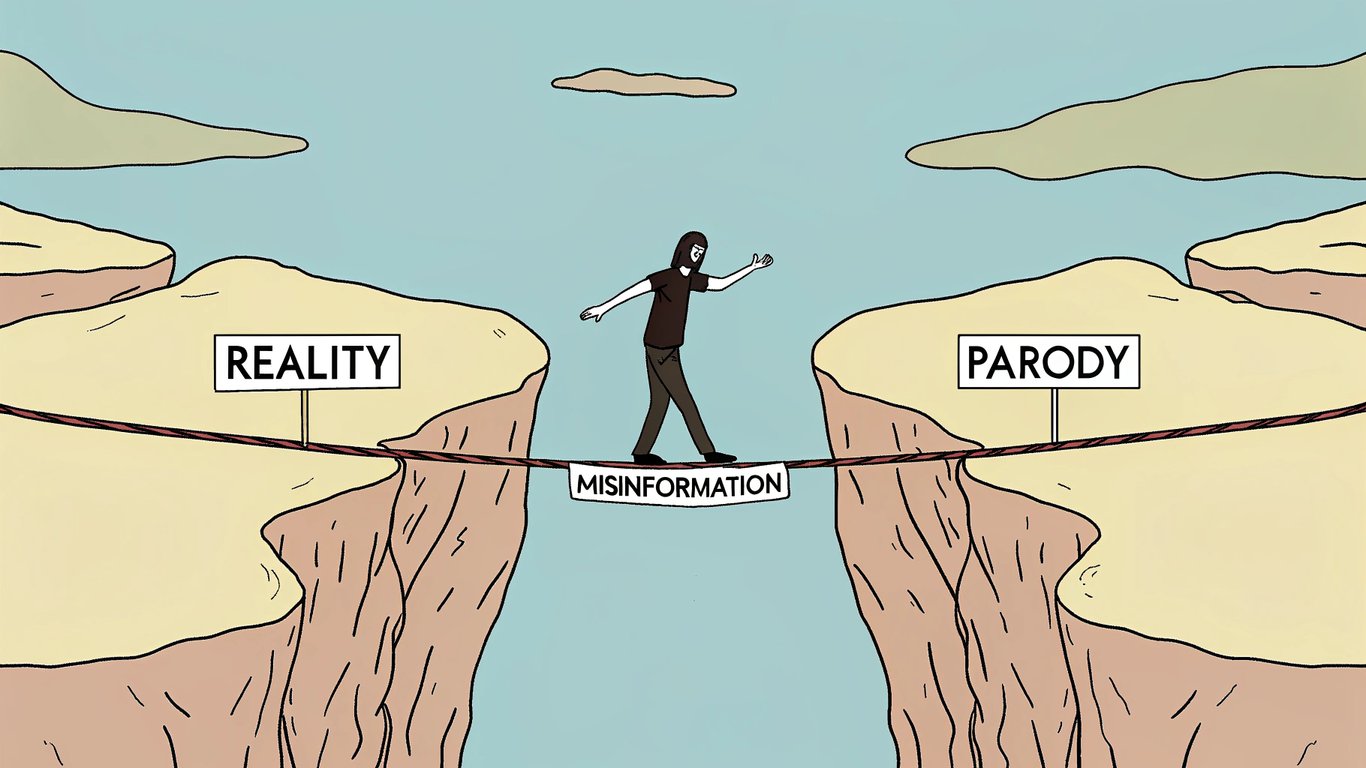
Understanding satire isn’t just about getting the joke anymore. It’s about navigating an information ecosystem where the line between reality and parody has become increasingly blurred.
What is Satirical Content? Core Definitions and Characteristics
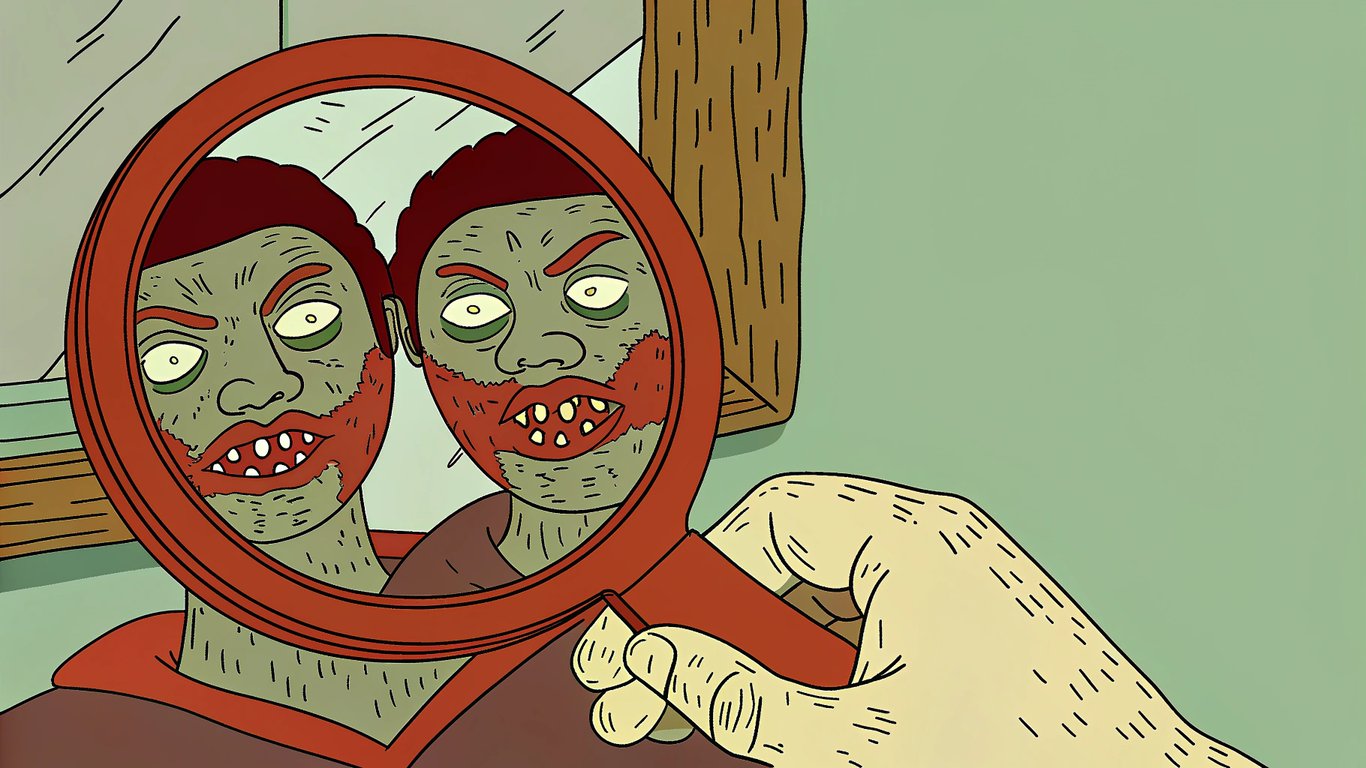
According to EBSCO research, satire is a technique that uses humor, irony, sarcasm, exaggeration, and mockery to expose human vices and follies. It’s not just about making people laugh. The best satirical content holds up a mirror to society and says, “Look at this absurdity.”
Satirical content typically includes several key elements:
- Humor that serves a purpose beyond entertainment
- Irony or exaggeration that highlights contradictions
- Social or political critique embedded in the comedy
- Recognition that the content isn’t meant to be taken literally
The challenge? That last element depends entirely on the audience recognizing the satirical intent. And that’s where things get complicated.
The History of Satire: From Ancient Times to Digital Memes
Satire has a rich history dating back to ancient civilizations. Greek playwrights used comedy to critique politicians. Roman poets mocked social conventions. Jonathan Swift’s “A Modest Proposal” shocked 18th-century readers with its satirical suggestion to solve poverty by eating children.
But satire in 2025 looks nothing like it did even a decade ago. We’ve moved from printed political cartoons to viral memes that spread across the globe in hours. The speed and reach of digital satire have fundamentally changed how it functions in society.
Why Satire Matters in 2025: The Role of Humor in Social Commentary
Recent research from Taylor & Francis examines what they call the paradox of political satire. Satirical content serves as both a vehicle for political critique and a product of the culture industry. It’s simultaneously rebellious and commercial, critical and entertaining.
This dual nature makes satire uniquely powerful. It can reach audiences who might tune out traditional political discourse. A well-crafted satirical meme can communicate complex ideas more effectively than a thousand-word essay.
The Fine Line: Satire vs. Misinformation vs. Disinformation
Here’s where we need to get specific about definitions. Northeastern University Library identifies seven types of mis-, dis-, and malinformation, and satire sits in a complicated position within this framework.
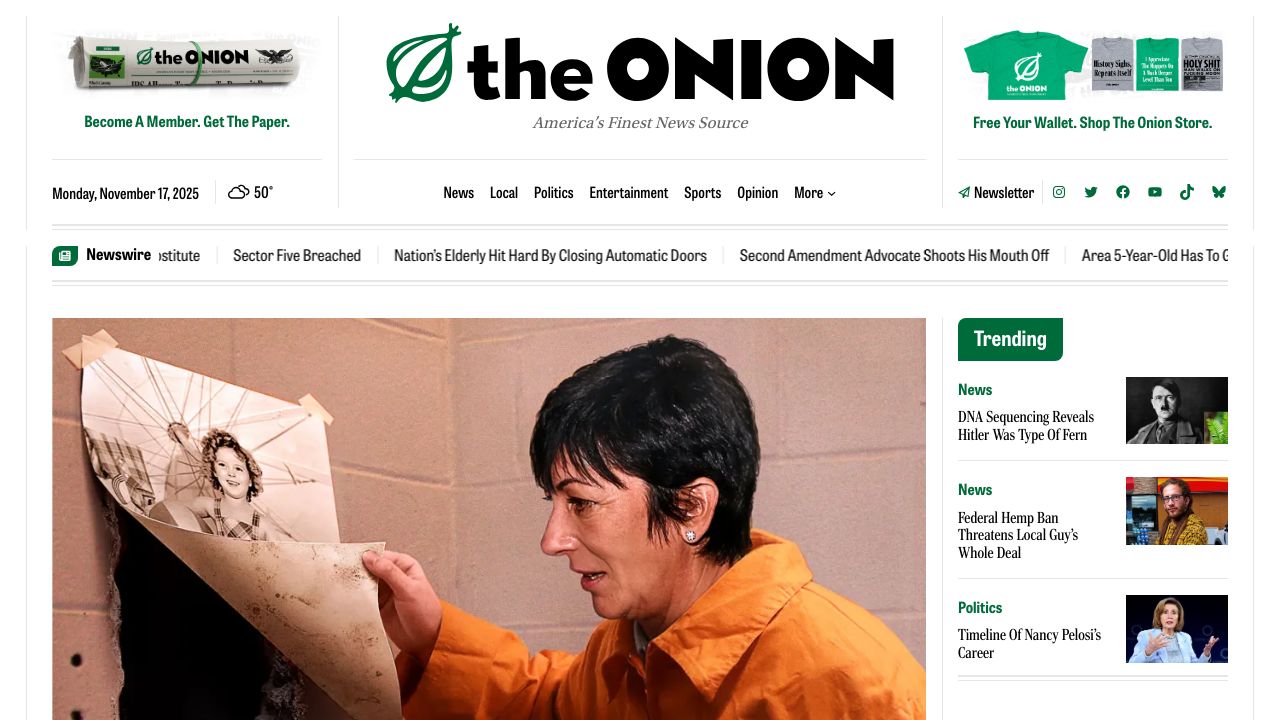
Satire and parody are technically forms of false information, but the intent matters. Satire is created to entertain and critique, not to deceive. Misinformation is false information shared without intent to harm. Disinformation is deliberately false information created to mislead.
The problem occurs when satirical content gets shared without context, transforming it from intentional parody into accidental misinformation.
The Complete Taxonomy: 7+ Types of Satirical Content Online
Traditional Satire and Parody: Articles, Videos, and Written Content
Sites like The Onion represent the gold standard of traditional satirical content. They mimic the format of legitimate news outlets while publishing completely fabricated stories that comment on real events. The headlines alone often deliver the satirical punch.
Video satire has evolved significantly too. Satirical news shows blend comedy with actual reporting, creating a hybrid format that informs while it entertains.
Visual Satire: Memes, Political Cartoons, and Image Manipulation
Memes have become the dominant form of visual satire online. They’re quick to create, easy to share, and can convey complex political commentary through simple image-text combinations. Research on toxic meme annotations shows how contextual tags are critical for understanding meme content, yet they’re often missing when memes spread across platforms.
Political cartoons have adapted to the digital age, appearing on social media alongside traditional editorial pages. The format remains similar, but the distribution has changed dramatically.
Satirical Social Media Accounts and Personas
Parody accounts on platforms like Twitter/X and Instagram create entire personas dedicated to satirical commentary. Some maintain character consistently, while others blend satire with genuine content, making recognition even more challenging.
Deepfake Satire and AI-Generated Satirical Content
AI has opened new frontiers for satirical content. Large language models can now generate satirical reframings of news articles, as recent research demonstrates. Deepfake technology allows creators to put words in public figures’ mouths for comedic effect.
This technology raises serious questions about detection and labeling. When AI-generated satire becomes indistinguishable from real content, how do we maintain clarity?
The Misinformation Problem: When Satire Gets Mistaken for Reality
The Psychology Behind Satire Confusion: Confirmation Bias and Poe’s Law
Confirmation bias plays a huge role in satire confusion. When we see content that confirms our existing beliefs, we’re less likely to question its authenticity. If a satirical article aligns with what we already think about a politician or issue, we might share it without checking the source.
Poe’s Law states that without clear indicators of intent, it’s impossible to distinguish extreme views from satire of those views. In today’s polarized environment, this law applies more than ever.
The Seven Types of Mis-, Dis-, and Malinformation: Where Satire Fits
The framework from Northeastern University identifies these categories:
- Satire/Parody: No intention to harm but potential to fool
- False Connection: Headlines don’t match content
- Misleading Content: Information used to frame an issue misleadingly
- False Context: Genuine content shared with false contextual information
- Imposter Content: Genuine sources are impersonated
- Manipulated Content: Genuine information manipulated to deceive
- Fabricated Content: New content that is 100% false
Satire can accidentally transform into several of these categories when shared without proper context or labeling.
Responsible Labeling: Best Practices for Creators and Publishers
Essential Labeling Techniques: Tags, Disclaimers, and Visual Cues
Clear labeling doesn’t have to kill the joke. Here are effective techniques that maintain comedic impact while preventing confusion:
- Use hashtags like #satire or #parody consistently
- Include watermarks or logos that identify satirical sources
- Add disclaimers in bios or about sections
- Use visual design elements that signal non-serious content
- Include “satire” in account names or page titles
The key is making these labels visible without being intrusive. A small watermark in the corner of an image can prevent misuse without ruining the visual impact.
Platform-Specific Labeling Requirements and Guidelines
Different platforms have different approaches to satirical content. Facebook has experimented with labeling satire in news feeds. Twitter/X allows parody accounts but requires clear identification in profiles. YouTube’s policies on misleading content can affect satirical videos.
Understanding each platform’s specific requirements helps creators avoid having their content removed or restricted.
Responsible Consumption: How to Identify and Engage with Satirical Content
Red Flags and Recognition Techniques: Spotting Satire in the Wild
Before sharing content that seems outrageous, check for these indicators:
- Check the source: Is it a known satirical outlet?
- Look for disclaimers or “about” pages that mention satire
- Examine the tone: Is it exaggerated or absurd?
- Search for the story on legitimate news sites
- Check if other articles from the source are clearly satirical
- Look at the URL: Does it include words like “satire” or mimic real news sites?
Fact-Checking Tools and Resources for Verifying Content
Several tools can help verify whether content is satirical or factual. Sites like Snopes and FactCheck.org regularly debunk viral satirical content that’s been mistaken for news. Browser extensions can flag known satirical sources automatically.
Responsible Sharing: When and How to Share Satirical Content
If you’re sharing satirical content, add context. A simple “This is satire, but it’s funny because…” can prevent confusion while still allowing the humor to land. Consider your audience too. Will they recognize the satire, or might they take it literally?
Creating Effective Satirical Content: A Creator’s Guide
The Elements of Successful Satire: Humor, Truth, and Critique
The best satire contains a kernel of truth. It exaggerates reality to highlight absurdity, but it’s grounded in something real. Without that connection to truth, satire becomes just nonsense.
Effective satirical content balances three elements: it’s funny enough to entertain, true enough to resonate, and critical enough to make a point.
Ethical Boundaries: What Topics Are Off-Limits and Why
The concept of “punching up” versus “punching down” matters in satire. Satirizing powerful institutions or public figures is generally considered fair game. Mocking vulnerable populations or recent tragedies crosses ethical lines.
Good satire afflicts the comfortable and comforts the afflicted. When it does the opposite, it’s probably not satire anymore, just cruelty dressed up as humor.
Balancing Clarity and Comedy: Making Satire Obvious Without Killing the Joke
This is the eternal challenge for satirists. Make it too obvious, and you lose the comedic impact. Make it too subtle, and people miss the point entirely or take it seriously.
The solution often involves layering. The content itself can be subtle and clever, while the framing (source name, disclaimers, hashtags) provides clarity for those who need it.
The Future of Satirical Content: Trends, Challenges, and Opportunities
AI and Satire: The Rise of Automated Humor and Synthetic Parody
AI tools are already being used to generate satirical content at scale. This raises questions about authenticity and detection. If a machine can create convincing satire, how do we evaluate its quality or intent?
The Paradox of Political Satire in the Culture Industry
As research from Taylor & Francis highlights, satire exists in a paradoxical space. It critiques the system while being part of that system. Satirical content is both rebellious art and commercial product, both political statement and entertainment commodity.
This tension will probably intensify as satire becomes more mainstream and commercialized. The challenge for creators is maintaining authentic critique while navigating commercial pressures.
Building a Responsible Satire Ecosystem: Community Standards and Self-Regulation
The future of satirical content depends on developing better community standards. This includes creator coalitions that establish labeling best practices, platform policies that distinguish satire from misinformation, and audience education that improves media literacy.
Your 2025 Satirical Content Checklist
Whether you’re creating or consuming satirical content, keep these principles in mind:
| For Creators | For Consumers |
|---|---|
| Label your content clearly with satire tags | Check sources before sharing |
| Use visual cues and watermarks | Look for disclaimers and about pages |
| Include disclaimers in bios and descriptions | Use fact-checking tools when uncertain |
| Consider your audience’s ability to recognize satire | Add context when sharing satirical content |
| Punch up, not down | Educate others about recognizing satire |
| Balance clarity with comedy | Question content that confirms your biases |
Satirical content serves an important function in our society. It challenges power, exposes hypocrisy, and makes us think while we laugh. But it only works when we can distinguish it from reality. By following responsible practices for creation and consumption, we can preserve satire’s power while minimizing its potential to mislead.
The goal isn’t to eliminate confusion entirely. Some ambiguity is inherent to good satire. But we can create an ecosystem where satirical content is clearly marked, easily verified, and properly understood by audiences who encounter it.
Support Independent Satire
Your contribution helps keep True Free World confusing the powerful, enlightening the masses, and occasionally breaking international law by accident.


