
You’ve probably seen them scrolling through your feed. Stories claiming a famous actor died three years ago and was replaced by a clone. Posts suggesting your favorite pop star is secretly a time traveler based on a grainy photo from 1912. Headlines announcing that celebrities are sending coded messages through their Instagram captions.
These aren’t real conspiracy theories (well, mostly). They’re celebrity conspiracy satire, a genre that’s exploded across social media and satirical news sites over the past few years.
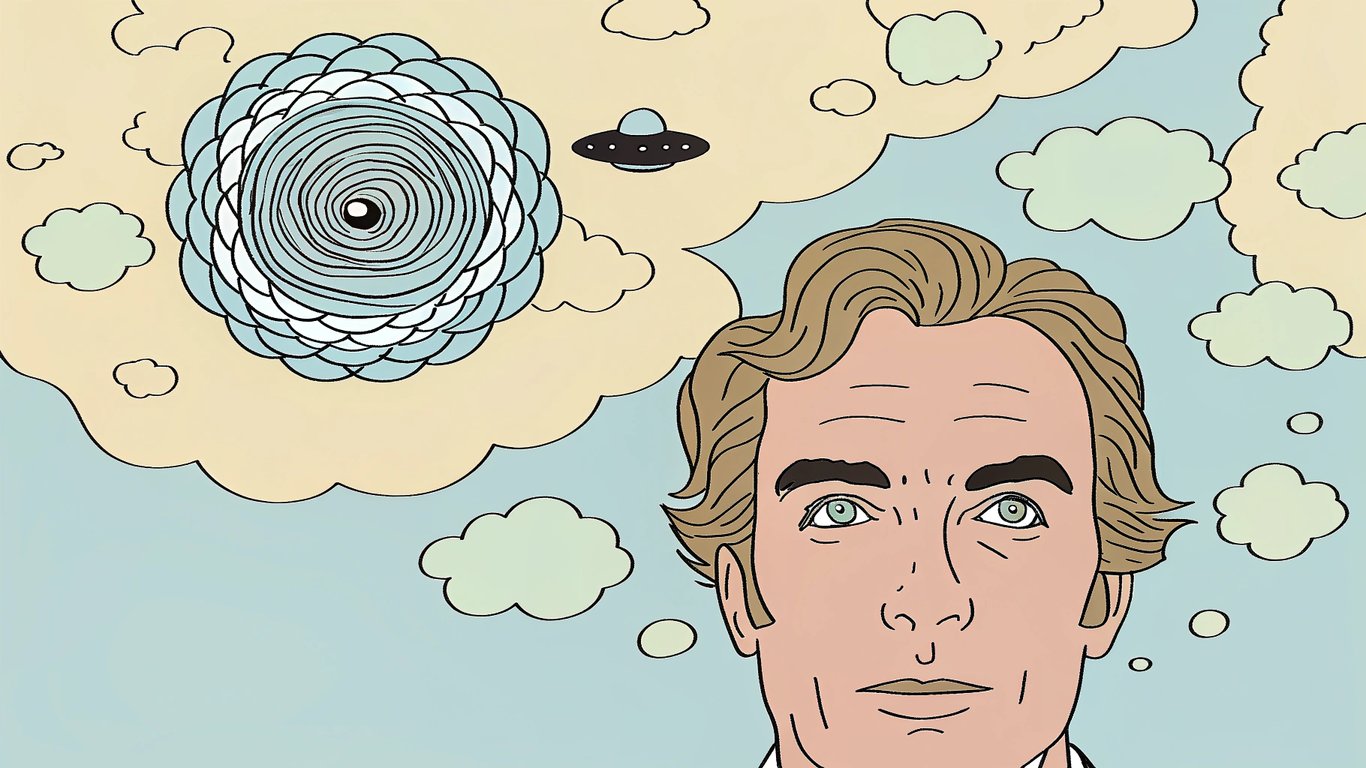
But here’s what makes this interesting: sometimes it’s genuinely hard to tell the difference between the satire and the real conspiracy theories people actually believe. And that’s kind of the point.
The Perfect Storm: When Satire Meets Celebrity Culture
Celebrity conspiracy satire sits at the intersection of three massive cultural forces. First, there’s our collective obsession with celebrities. We follow their every move, analyze their relationships, and create entire narratives around people we’ve never met.
Second, conspiracy theories have moved from the fringes to mainstream conversation. What used to be relegated to obscure forums now gets millions of views on TikTok and Twitter.
Third, satire has become one of the primary ways people process information overload. When reality feels absurd, sometimes the only response is to lean into the absurdity.
Mix these three ingredients together, and you get celebrity conspiracy satire news stories that feel simultaneously ridiculous and weirdly plausible.
Why This Matters Now More Than Ever
We’re living in what many call the post-truth era. Deepfakes exist. AI can generate convincing fake photos. Actual misinformation spreads faster than corrections. In this environment, satirical content serves a unique purpose.
It’s not just entertainment (though it definitely is that). Celebrity conspiracy satire acts as a pressure valve for the anxiety we feel about not knowing what’s real anymore. It lets us laugh at the chaos while simultaneously acknowledging how weird everything has become.
Plus, it’s a form of media literacy education disguised as comedy. When you learn to recognize the patterns in satirical conspiracy theories, you get better at spotting actual misinformation.
What Exactly is Celebrity Conspiracy Satire?
Defining the Genre: Where Humor Meets Speculation
Celebrity conspiracy satire is comedic content that parodies both celebrity news culture and conspiracy theory thinking. It takes the format and language of conspiracy theories but applies them to celebrities in intentionally absurd ways.
The key word here is intentionally. Unlike actual conspiracy theories, satirical versions are designed to be recognized as jokes. They exaggerate the logical leaps, pile on ridiculous “evidence,” and push theories to their most absurd conclusions.
Think of it as fan fiction meets investigative journalism meets comedy sketch. It borrows the aesthetic of serious conspiracy content while making it clear (usually) that nobody’s supposed to actually believe this stuff.
The Three Pillars: Celebrities, Conspiracies, and Comedy
Every piece of celebrity conspiracy satire rests on three essential elements:
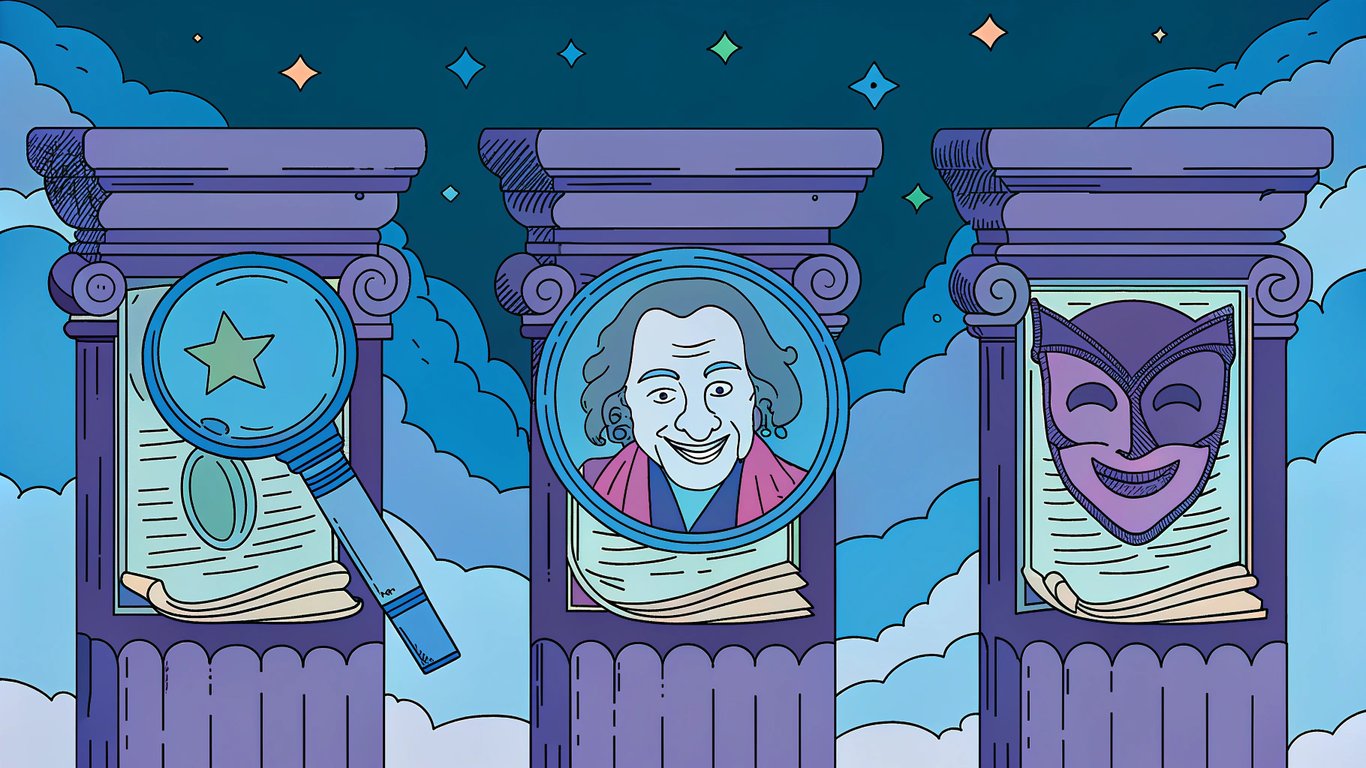
- Celebrity subjects: Usually A-list celebrities with massive public followings and extensive media coverage
- Conspiracy framework: The structure and language borrowed from actual conspiracy theories, complete with “evidence” and “research”
- Comedic intent: The underlying purpose of entertainment and social commentary rather than genuine belief
Remove any one of these pillars and the whole thing collapses. Without celebrities, it’s just regular conspiracy satire. Without the conspiracy framework, it’s standard celebrity humor. Without comedy, it becomes actual conspiracy theory content.
How It Differs from Traditional Satire and Fake News
Here’s where things get tricky. Celebrity conspiracy satire isn’t the same as traditional satirical news from outlets like The Onion. Traditional satire typically comments on politics, social issues, or current events through obviously fake news stories.
Celebrity conspiracy satire goes deeper into the conspiracy theory aesthetic. It mimics the breathless tone, the “connect the dots” logic, and the presentation style of genuine conspiracy content. This makes it both more effective as satire and potentially more confusing for audiences.
It’s also completely different from actual fake news or misinformation. Fake news is designed to deceive. Satire is designed to entertain and comment. The intent matters enormously, even if the execution sometimes looks similar.
Why Celebrity Conspiracy Satire Has Become So Popular
The Psychology Behind the Appeal
There’s something deeply satisfying about celebrity conspiracy satire that goes beyond simple humor. Psychologically, it lets us engage with conspiracy thinking in a safe way. We get to experience the thrill of “uncovering secrets” without actually falling down dangerous rabbit holes.
It also serves as a coping mechanism for information overload. When you’re bombarded with celebrity news stories 24/7, satire provides a way to acknowledge the absurdity of caring so much about strangers’ lives while still participating in celebrity culture.
Plus, there’s an element of intellectual superiority. Getting the joke makes you feel smart. You’re in on it. You can recognize satire when others might not. That’s a powerful psychological reward.
Social Media’s Role in Amplifying Satirical Content
Social media platforms have supercharged the spread of celebrity conspiracy satire. Twitter threads can build elaborate theories over dozens of tweets. TikTok videos can present “evidence” with dramatic music and quick cuts. Reddit communities can collaborate on increasingly complex satirical narratives.
The algorithm doesn’t care if content is satirical or serious. It just cares about engagement. And celebrity conspiracy satire generates massive engagement because it’s shareable, quotable, and conversation-starting.
This creates a feedback loop. Popular satirical content inspires more creators to make similar content. Audiences develop literacy in the genre’s conventions. The whole ecosystem grows more sophisticated.
A Response to Information Chaos
We’re drowning in information. Real news, fake news, celebrity gossip, actual conspiracies that turn out to be true, conspiracy theories that are completely bonkers. It’s exhausting trying to sort through it all.
Celebrity conspiracy satire acknowledges this chaos. It says, “Yeah, everything is weird and confusing, so let’s make it even weirder.” There’s something liberating about that approach.
It’s also a form of cultural commentary. By exaggerating conspiracy thinking, satire highlights how absurd some of our information consumption habits have become. We’re so used to sensational headlines and wild theories that satire barely needs to exaggerate.
The Entertainment Value of Absurdity
Sometimes you just want to read something ridiculous. Celebrity conspiracy satire delivers pure entertainment through escalating absurdity. The theories get progressively more outlandish, the “evidence” becomes increasingly tenuous, and the whole thing spirals into delightful nonsense.
This escapism matters. Real life includes actual problems, genuine concerns, and legitimate anxieties. Celebrity conspiracy satire offers a break from all that. It’s silly, it’s fun, and it doesn’t require you to think too hard or feel too much.
The 5 Blueprint Examples: Recognizing Celebrity Conspiracy Satire in the Wild
Blueprint #1: The ‘Celebrity Death Hoax’ Satire
This blueprint takes the recurring conspiracy theory that celebrities fake their deaths and flips it. Instead of claiming someone faked their death, satirical versions claim celebrities who are obviously alive actually died years ago and were replaced.
The satire works by presenting “evidence” like slight changes in appearance, different mannerisms, or variations in signature style. Of course, these changes are just normal human aging or style evolution, but the satirical conspiracy treats them as proof of replacement.
Common techniques include side-by-side photo comparisons with circles and arrows, breathless narration about “what they don’t want you to know,” and elaborate timelines of when the “switch” supposedly happened. The more detailed and serious the presentation, the funnier it becomes.
Blueprint #2: The ‘Secret Society Membership’ Parody
Illuminati and secret society conspiracy theories have been around forever. Satirical versions take this framework and apply it to increasingly mundane celebrity behavior.
A celebrity posts a photo with a triangle in the background? Obviously an Illuminati signal. Someone wears a particular color to an event? Secret society dress code. Two celebrities are photographed together? They’re clearly attending a clandestine meeting.
The satire highlights how conspiracy theorists can find “patterns” in completely random events. By treating normal celebrity activities as secret signals, it exposes the logical fallacy of seeing connections everywhere.
Blueprint #3: The ‘Celebrity Clone/Replacement’ Theory Mockery
This blueprint suggests celebrities have been replaced by clones, body doubles, or even robots. It’s similar to the death hoax satire but focuses more on the mechanics of replacement rather than the death itself.
Satirical versions might claim a celebrity’s clone “glitched” during an interview, or that their body double forgot key biographical details. They’ll analyze video footage for “proof” of robotic movements or unnatural behavior.
The humor comes from treating completely normal human behavior as evidence of replacement. Someone stumbles over their words? Clone malfunction. They look tired? The body double isn’t as good at makeup. It’s absurd, and that’s exactly the point.
Blueprint #4: The ‘Hidden Messages in Entertainment’ Spoof
This blueprint parodies the conspiracy theory tradition of finding hidden messages in music, movies, and other entertainment. Satirical versions take this to ridiculous extremes.
They might claim that playing a celebrity’s song backwards reveals a recipe for banana bread. Or that the number of times someone blinks in a music video corresponds to lottery numbers. Or that movie release dates contain coded messages about upcoming celebrity weddings.
The satire works because it mimics the pattern-seeking behavior of actual conspiracy theorists while making the “discoveries” completely meaningless. It’s a commentary on how humans are wired to find patterns even when none exist.
Blueprint #5: The ‘Celebrity Time Traveler/Immortal’ Joke
This blueprint claims celebrities are time travelers or immortal beings based on historical photos of people who vaguely resemble them. It’s probably the most visually-driven form of celebrity conspiracy satire.
The format typically involves finding an old photograph (sometimes from centuries ago) of someone who shares a passing resemblance to a modern celebrity. The satirical conspiracy then “proves” they’re the same person through increasingly tenuous connections.
What makes this effective satire is how it highlights confirmation bias. If you want to see a resemblance, you’ll find one. The satire pushes this to absurd lengths, claiming that any vague similarity proves time travel or immortality.
Where to Find Quality Celebrity Conspiracy Satire
Top Satirical News Sites and Publications
Several established satirical news outlets regularly feature celebrity conspiracy satire content. The Onion occasionally ventures into this territory, though they focus more broadly on news satire. ClickHole, their sister site, leans more heavily into absurdist celebrity content.
Smaller satirical sites and blogs have emerged specifically focused on celebrity conspiracy satire. These tend to be more niche but often produce the most creative and elaborate satirical theories.
Social Media Accounts and Content Creators to Follow
Twitter and TikTok are probably the best platforms for finding celebrity conspiracy satire. Many creators build entire accounts around developing elaborate satirical theories through thread format or short videos.
Reddit communities like r/conspiracy (ironically) sometimes feature satirical posts, though you need to be careful distinguishing satire from genuine conspiracy content. Some subreddits are specifically dedicated to satirical conspiracy theories.
The key is finding creators who clearly signal their satirical intent while still committing to the bit. The best celebrity conspiracy satire walks that fine line between believable and obviously absurd.
Podcasts and Video Series
Some podcasts dedicate episodes to exploring satirical celebrity conspiracy theories in long-form format. These often involve multiple hosts riffing on theories, building them out collaboratively, and seeing how absurd they can make them while maintaining internal logic.
YouTube channels sometimes create documentary-style videos presenting satirical theories with all the production value of actual conspiracy content. The commitment to the format makes the satire even more effective.
How to Spot (and Appreciate) Celebrity Conspiracy Satire
Red Flags That Signal Satire vs. Actual Conspiracy Content
Learning to distinguish satirical celebrity news stories from genuine conspiracy content is an important skill. Here are some indicators that you’re looking at satire:
- The theory becomes progressively more absurd rather than building a coherent argument
- The “evidence” is intentionally flimsy or ridiculous
- The tone includes subtle humor or winking references
- The source is a known satirical outlet or creator
- The theory doesn’t ask you to take action or spread awareness
- There’s an underlying commentary on media, celebrity culture, or conspiracy thinking itself
That said, some satire is deliberately ambiguous. Part of the art form is making people question whether it’s serious. If you’re genuinely unsure, check the source and look for other content from the same creator.
Understanding the Satirical Techniques
Celebrity conspiracy satire employs several common techniques that make it effective. Exaggeration takes real conspiracy theory logic and pushes it to absurd extremes. Irony presents theories in a serious tone while the content itself is ridiculous.
Absurdist humor introduces elements that are so outlandish they can’t possibly be serious. Parody mimics the style and format of genuine conspiracy content while subverting the message.
The best satirists combine multiple techniques, creating content that works on several levels. You can enjoy it as pure comedy, appreciate it as social commentary, or analyze it as media criticism.
Why Context and Media Literacy Matter
Understanding celebrity conspiracy satire requires broader media literacy skills. You need to recognize satirical conventions, understand the difference between parody and misinformation, and think critically about sources.
This matters because satire can be misunderstood. Sometimes people share satirical content as if it’s real, either because they didn’t get the joke or because they want to spread misinformation. Other times, genuine conspiracy theorists adopt satirical theories and start believing them.
The line between satire and reality has gotten blurrier. That makes media literacy more important than ever. Being able to recognize satire isn’t just about getting jokes. It’s about understanding how information works in the digital age.
The Future of Celebrity Conspiracy Satire
Why This Genre Will Continue to Thrive
Celebrity conspiracy satire isn’t going anywhere. As long as we have celebrity culture, conspiracy theories, and social media, this genre will continue evolving and finding new audiences.
If anything, it’ll probably get more sophisticated. Creators are learning what works, audiences are developing more refined tastes, and the tools for creating convincing satirical content keep improving.
We might see more interactive satirical experiences, more elaborate collaborative theories, and more creative uses of emerging technologies. The core appeal remains constant, but the execution will keep evolving.
Your Next Steps: Engaging with Satirical Content Responsibly
If you want to enjoy celebrity conspiracy satire while being a responsible media consumer, here’s what you should do:
Always check sources before sharing content. Even if something seems obviously satirical to you, it might not be obvious to everyone. Consider adding context when you share satirical content so others understand it’s not meant to be taken seriously.
Develop your media literacy skills. Learn to recognize satirical conventions, understand how misinformation spreads, and think critically about everything you consume online.
Appreciate the craft. Good satire takes skill, creativity, and cultural awareness. When you find celebrity conspiracy satire that makes you laugh or think, recognize the work that went into creating it.
Most importantly, remember that satire serves a purpose beyond entertainment. It’s social commentary, media criticism, and cultural analysis wrapped in humor. Engaging with it thoughtfully makes you a more informed consumer of all media, not just the satirical stuff.


