
Satire writing isn’t just about making people laugh. It’s one of the most powerful tools for commenting on society’s absurdities while keeping readers engaged. The format has evolved from print publications to viral social media threads, but the core principle remains: use humor to reveal uncomfortable truths.
Publications like The Onion and McSweeney’s Internet Tendency have mastered the art of short-form satire articles, typically ranging from 300-900 words. These pieces get in quickly, make their point, land a few laughs, and exit before overstaying their welcome.
This guide breaks down the most effective formats you can use right now, complete with templates you can adapt for your own satirical writing. Whether you’re targeting political absurdities, tech culture, or everyday social behaviors, you’ll find a format that works.

The Foundation: Understanding What Makes Satire Work
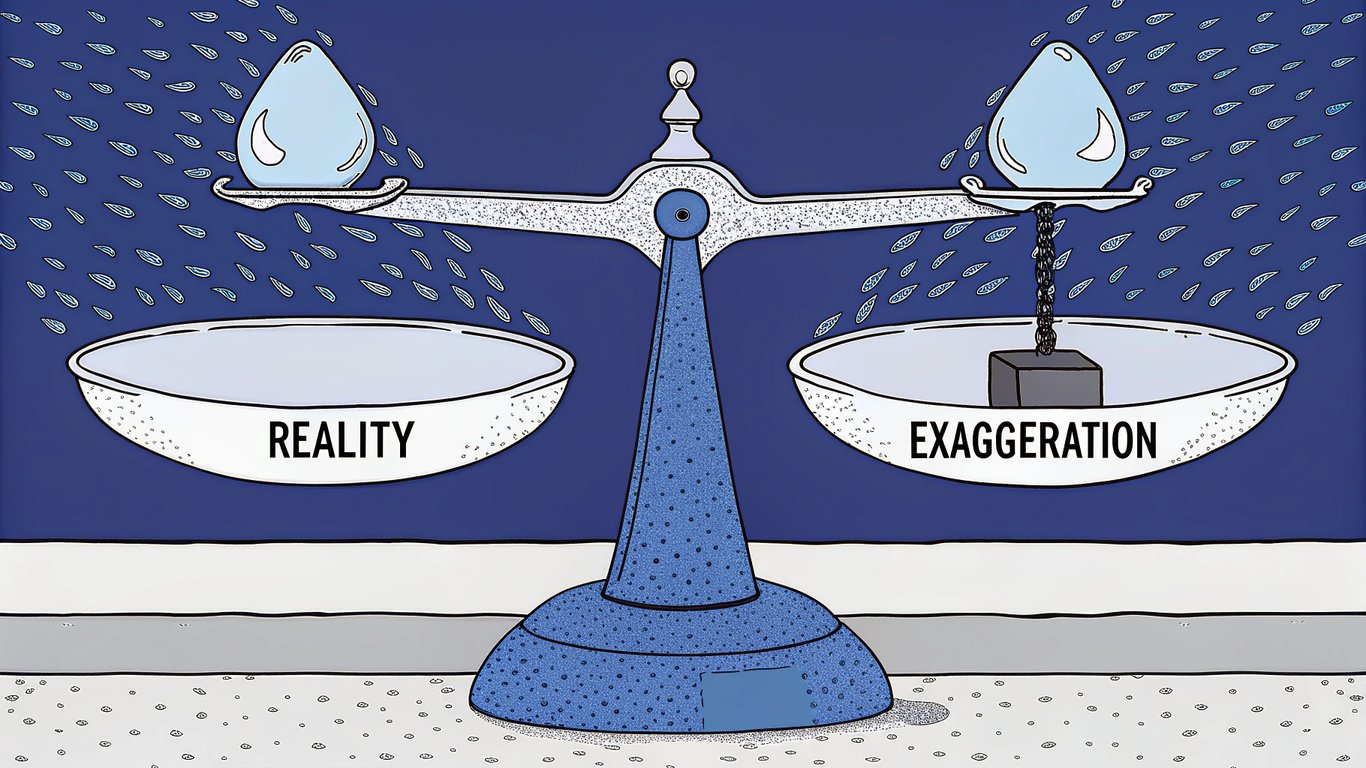
Before jumping into formats, you need to understand the basic mechanics. Effective satire follows what some writers call the 70/30 rule: 70% reality, 30% exaggeration. Your foundation must be recognizable truth. The exaggeration comes in how you present or extend that truth to absurd conclusions.
There are three main types of satire you’ll encounter:
- Horatian satire: Gentle and humorous, poking fun without being cruel. Think lighthearted commentary on everyday absurdities.
- Juvenalian satire: Harsh and critical, often angry. This targets serious issues with biting commentary.
- Menippean satire: Intellectual and absurdist, attacking ideas and belief systems rather than individuals.
The biggest mistake new satirists make? Going too bizarre. If your audience can’t connect the satire back to reality, you’ve lost them. Your readers need to recognize the truth you’re exaggerating, or the joke falls flat.
Format #1: The Fake News Article
This is the classic Onion-style format. You’re writing what looks like a legitimate news article, but the content reveals absurdity through deadpan delivery. The structure follows traditional journalism’s inverted pyramid, but the facts themselves are ridiculous.
Template structure:
- Headline that sounds plausible but reveals absurdity
- Opening paragraph with who, what, when, where, why
- Fake quotes from fictional or real figures
- Supporting details that escalate the absurdity
- Closing that treats the ridiculous as completely normal
Example headline formulas: “Area Man [Absurd Action]”, “[Authority Figure] Announces [Ridiculous Policy]”, “Local [Profession] Finally [Obvious Thing]”.
Format #2: The Conspiracy Theory Exposé
This format satirizes conspiracy thinking by creating an absurd but internally consistent theory. The key is making connections between unrelated events in a way that mimics actual conspiracy theories, but with obviously ridiculous conclusions.
Your template needs these elements: a mundane observation, increasingly wild connections, fake “evidence” that sounds researched, and a grand conclusion that explains everything. The humor comes from the gap between the elaborate theory and the trivial reality.
Example: “Why Your Local Coffee Shop Is Actually a Front for Big Caffeine’s Mind Control Experiments.” You’d connect innocent details (the barista’s smile, the strategic placement of pastries, the suspiciously consistent foam art) into an elaborate scheme.
Format #3: The Corporate Press Release Parody
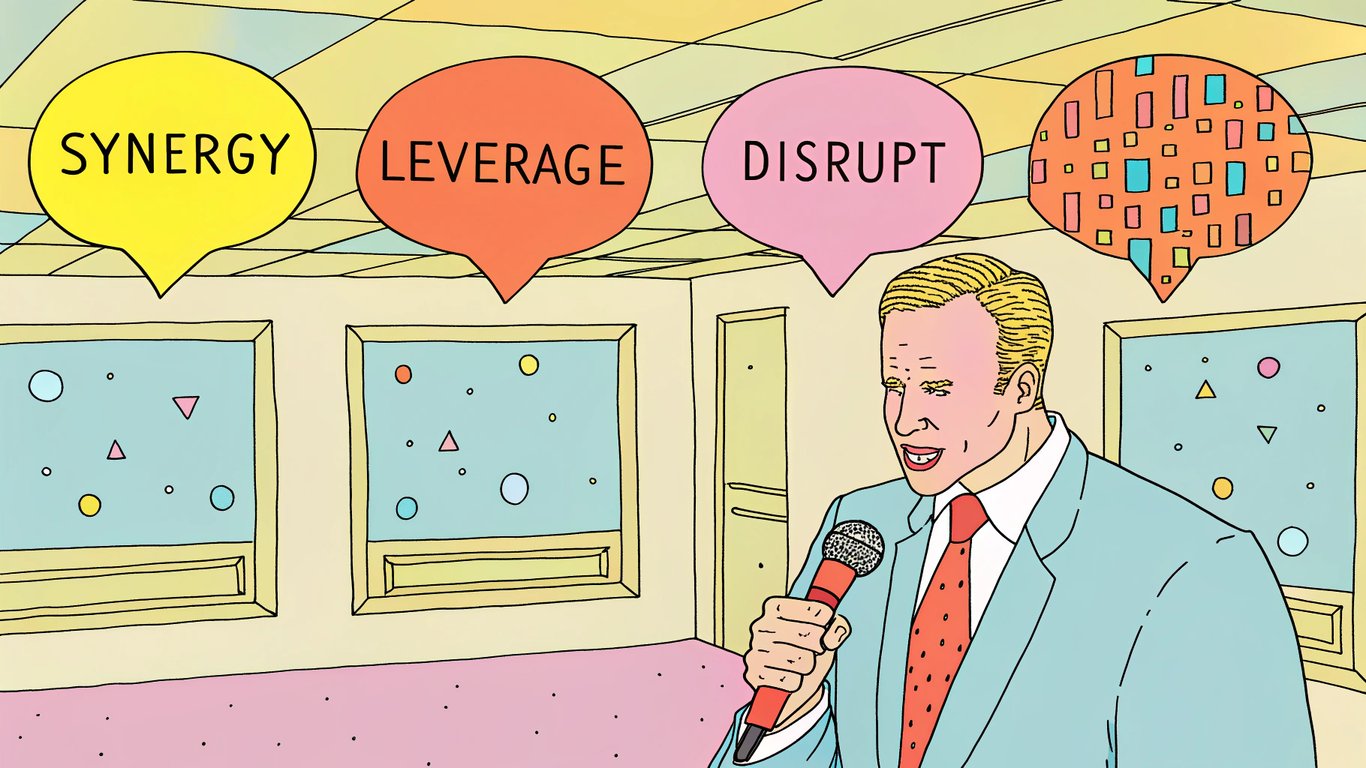
Corporate speak is already halfway to satire. This format takes the buzzword-laden, meaningless language of press releases and pushes it just slightly further. You’re announcing something absurd using the exact tone and structure of real corporate communications.
Include these standard press release elements: a headline with the company name, a dateline, an opening paragraph about the “exciting announcement”, quotes from fictional executives, boilerplate company description, and contact information for a fake PR person.
The satire works because you’re using phrases like “synergize our core competencies” or “leverage our thought leadership” to describe something completely ridiculous. The contrast between the serious tone and absurd content creates the humor.
Format #4: The Expert Opinion Piece
Create a fictional expert with ridiculous credentials who writes authoritatively about an absurd topic. The byline might read: “Dr. Marcus Pemberton is a Professor of Applied Procrastination at the Institute for Obvious Studies and author of ‘Why Trying Is Overrated.'”
The piece itself follows standard op-ed structure: a provocative opening, several supporting arguments, acknowledgment of counterarguments (which you dismiss), and a call to action. The humor comes from treating nonsense with complete seriousness.
Format #5: The How-To Guide Satire
Instructional satire teaches readers how to do something absurd, or critiques real behaviors by presenting them as a step-by-step guide. This format works particularly well for satirizing self-help culture, productivity obsessions, or social media behaviors.
Your template includes: an introduction explaining why this skill matters, numbered steps with detailed instructions, tips and warnings, and a conclusion about the benefits readers will experience. Each step should escalate the absurdity while maintaining the helpful, instructional tone.
Example topics: “How to Appear Busy While Accomplishing Nothing”, “A Beginner’s Guide to Ignoring Problems Until They Solve Themselves”, “10 Steps to Becoming Insufferable on Social Media”.
Format #6: The Product Review Parody
Review something that doesn’t exist or shouldn’t be reviewed. Use the standard review format: introduction to the product, features breakdown, pros and cons list, rating system, and final verdict. The satire comes from applying serious consumer review standards to ridiculous concepts.
You might review abstract concepts (“Existential Dread: A Comprehensive Review”), non-products (“Rating Every Day of the Week”), or absurd inventions (“Testing the New Self-Aware Toaster That Judges Your Breakfast Choices”).
Format #7: The Interview Format
Q&A style satire lets you create dialogue between an interviewer and someone giving absurd responses. The interviewer asks reasonable questions while the subject provides increasingly ridiculous answers, all treated as completely normal.
Structure it like a real interview: brief introduction of the subject, alternating questions and answers, and maybe a closing note from the interviewer. The questions should be straightforward, making the absurd answers stand out more.
Format #8: The Listicle Satire
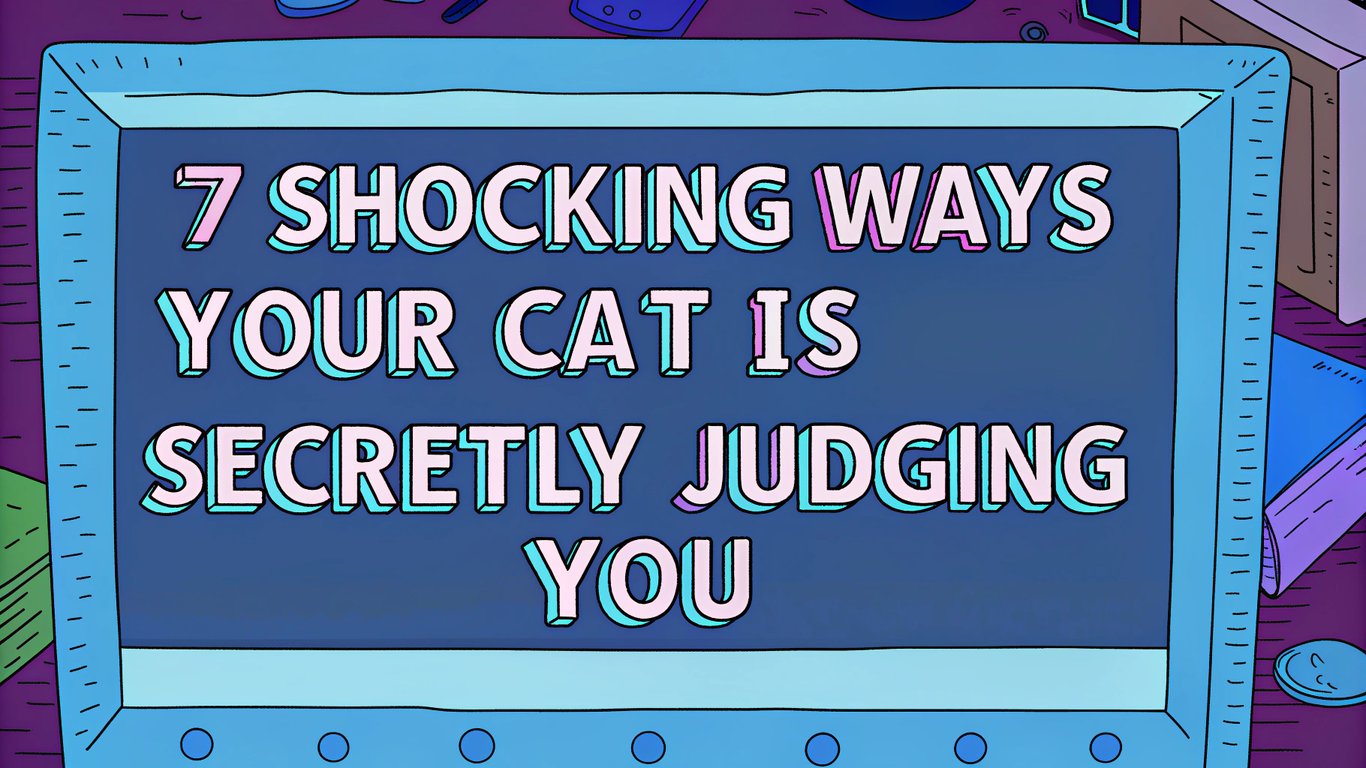
Everyone knows the Buzzfeed-style list format. Satirical listicles use that same structure but with content that mocks the format itself or comments on other topics. Each item gets a brief description, sometimes with subheadings or additional details.
The number in your headline matters. Odd numbers like 7 or 13 work well. Very specific numbers (“23 Signs…”) can add to the satire. Each list item should build on the previous one, escalating the absurdity or deepening the commentary.
Headline Templates That Actually Work
Your headline determines whether anyone reads your satire. Here are proven formulas you can adapt:
| Formula | Example | Why It Works |
|---|---|---|
| Area [Person] [Absurd Action] | Area Man Discovers Internet After 20 Years | Localizes universal behavior |
| [Authority] Announces [Ridiculous Policy] | CEO Announces Mandatory Fun Will Continue | Subverts power dynamics |
| New Study Reveals [Obvious Truth] | Study Finds 100% of People Who Breathe Eventually Die | Mocks research culture |
| [Number] Signs You’re [Absurd Thing] | 7 Signs You’re Actually Three Kids in a Trench Coat | Parodies listicle format |
| How to [Impossible Task] | How to Achieve Work-Life Balance by Never Sleeping | Satirizes self-help culture |
The Writing Process: Getting From Idea to Published Piece
Finding targets for satire requires paying attention to current events, trending topics, and recurring social behaviors. The best satire articles comment on things people are already thinking about, giving voice to observations your audience has made but hasn’t articulated.
When brainstorming, ask yourself: What’s the absurd truth here? What would happen if we took this behavior to its logical extreme? What’s the gap between how people present something and what it actually is?
For your first draft, write fast. Satire loses energy when you overthink it. Get your idea down in 300-900 words, make your point, and stop. You can refine later, but the initial draft should capture the core joke and perspective.
During editing, tighten everything. Cut unnecessary words, strengthen your punchlines, and make sure your satirical tone stays consistent throughout. Read it aloud to catch places where the rhythm feels off or the joke doesn’t land.
Where to Publish Your Satire Articles
You’ve got several options for getting your satire in front of readers. Established satire sites like McSweeney’s Internet Tendency accept submissions, though competition is fierce. They’re looking for polished pieces that fit their editorial voice.
Self-publishing on platforms like Medium or Substack gives you more control and lets you build your own audience. Social media works well for shorter satirical pieces, particularly Twitter threads or LinkedIn posts that parody the platform’s typical content.
Starting your own satire blog or newsletter means you own the platform and audience relationship. It takes longer to build readership, but you’re not dependent on editorial decisions or algorithm changes.
Legal and Ethical Considerations
Make sure your satire is clearly satirical. If readers might genuinely mistake your piece for real news or information, you’ve crossed into potential misinformation territory.
Avoid defamation by not making false statements of fact about real, identifiable people. Satire works by exaggerating truth or creating fictional scenarios, not by inventing damaging lies about actual individuals.
Some publications add disclaimers or labels identifying content as satire. While this can feel like explaining the joke, it’s sometimes necessary to prevent misunderstanding, especially in our current media environment where satire and reality often feel indistinguishable.
Advanced Techniques for Better Satire
Once you’ve mastered basic formats, you can layer multiple satirical targets into a single piece. A corporate press release parody might simultaneously mock corporate speak, tech culture, and environmental greenwashing. This creates richer humor that rewards careful reading.
Building a satirical universe with recurring characters or locations helps develop audience investment. The Onion’s “Area Man” has become iconic because readers recognize the archetype immediately. Creating your own recurring elements gives you shorthand for future pieces.
Callbacks to earlier jokes or real events create deeper humor for regular readers. Reference something from a previous piece or a well-known news story, and you’re rewarding people who’ve been paying attention while still keeping the piece accessible to new readers.
Adapting Satire for Different Platforms
Twitter threads work well for satirical how-to guides or listicles, with each tweet representing one step or item. The format’s brevity forces you to be punchy, and the thread structure creates natural escalation.
LinkedIn satire has become its own subgenre, parodying the platform’s self-promotional culture and corporate speak. The key is mimicking LinkedIn’s typical post structure (personal story, business lesson, call to action) while making the content absurd.
Video platforms like YouTube or TikTok require adapting written satire into visual formats. The same principles apply, but you’re using performance, editing, and visual elements to deliver the satirical punch instead of just words.
Common Mistakes That Kill Satire
Going too bizarre disconnects your satire from reality. If readers can’t see the truth you’re exaggerating, they won’t get the joke. Keep that 70/30 ratio in mind: most of your piece should be recognizable reality.
Punching down at vulnerable groups isn’t satire, it’s just mean. Effective satire targets power, hypocrisy, and absurd systems, not people who are already marginalized or struggling.
Losing your satirical voice partway through happens when you start explaining the joke or breaking character. Stay committed to your premise and tone throughout the entire piece.
Confusing satire with simple mockery means you’re just making fun of something without offering any insight or commentary. Good satire reveals truth through humor, not just pointing and laughing.
Getting Started: Your First Satire Article
Pick one format from this guide and commit to writing a complete piece this week. Don’t aim for perfection on your first attempt. The goal is getting comfortable with the structure and finding your satirical voice.
Choose a target you genuinely find absurd or frustrating. Your satire will be stronger when you’re writing about something you actually have opinions about. Fake enthusiasm or forced humor shows through immediately.
Keep it short. Aim for 400-600 words on your first piece. You can always expand later, but starting small helps you focus on nailing the core joke and maintaining consistent tone.
Share your draft with someone who’ll give honest feedback. You need to know if your satire is landing, if the target is clear, and if you’ve maintained the right balance between reality and exaggeration. Then revise based on what you learn and publish it somewhere, even if it’s just your own blog or social media account.
The best way to improve at writing satire articles is simply writing more of them. Each piece teaches you something about structure, timing, and tone. Start with these templates, adapt them to your voice, and develop your own approach over time.
Support Independent Satire
Your contribution helps keep True Free World confusing the powerful, enlightening the masses, and occasionally breaking international law by accident.


