
There’s something about bizarre news that makes us stop scrolling. Maybe it’s the llama that escaped from a petting zoo and led police on a three-hour chase. Or the town council that accidentally elected a chatbot to their board. These stories don’t just entertain us; they give us permission to laugh at a world that often feels too serious.
I’ve spent years watching what makes people click ‘share’ on social media, and weird current events consistently outperform traditional news. They’re the perfect storm of unexpected, relatable, and just absurd enough to feel like a break from reality.

The Psychology Behind Sharing Weird News
We share strange stories because they make us feel something. Surprise, mostly. But also a sense of connection with others who find the same things ridiculous. When you send your friend a link about a restaurant serving ‘deconstructed water,’ you’re not just sharing news. You’re saying ‘can you believe this exists?’ and inviting them into a shared moment of disbelief.
Research on social sharing patterns shows that content triggering high-arousal emotions (like amusement or surprise) gets shared more than content that makes us feel calm or sad. Weird news hits that sweet spot perfectly.
The Rise of Satirical Commentary in 2025
Satire isn’t new, but the way we consume it has changed dramatically. In 2025, people don’t just read satirical news; they create it. Platforms like X (formerly Twitter) and TikTok have turned everyone into potential comedians. You don’t need a late-night TV show to make funny observations about current events anymore.
The barrier to entry is basically zero. See something weird? Screenshot it, add a funny caption, and you’ve created content. Some of the most viral takes on weird current events come from regular people who just happened to phrase something in a way that resonated.
What Makes a Story ‘Weird’ Enough to Go Viral
Not all strange news is created equal. The stories that really take off usually have a few things in common. They’re unexpected but believable. They involve some element of human absurdity or bureaucratic nonsense. And they’re specific enough to be funny but universal enough that anyone can understand why they’re ridiculous.
A town banning a specific shade of beige? That’s weird enough to be interesting but mundane enough to be hilarious. An alien invasion? Too unbelievable. A parking ticket dispute? Too boring. The best weird current events live in that middle zone where reality meets absurdity.
The 12 Weirdest Current Events (With Hilarious Takes)
Let me walk you through some hypothetical examples of the kinds of weird current events that dominate social media, along with different approaches to making them funny. These aren’t real stories, but they represent the types of bizarre news that consistently go viral.
Example 1: Tech Mishap Gone Wrong
Imagine an AI chatbot accidentally gets voting rights in a small town’s digital governance system. The deadpan approach: ‘Finally, a politician who actually reads the bills before voting.’ The conspiracy angle: ‘This is how it starts. First they vote on zoning laws, next they’re running for president.’ The relatable take: ‘The chatbot still shows up to more meetings than my HOA board members.’
Example 2: Animal Antics
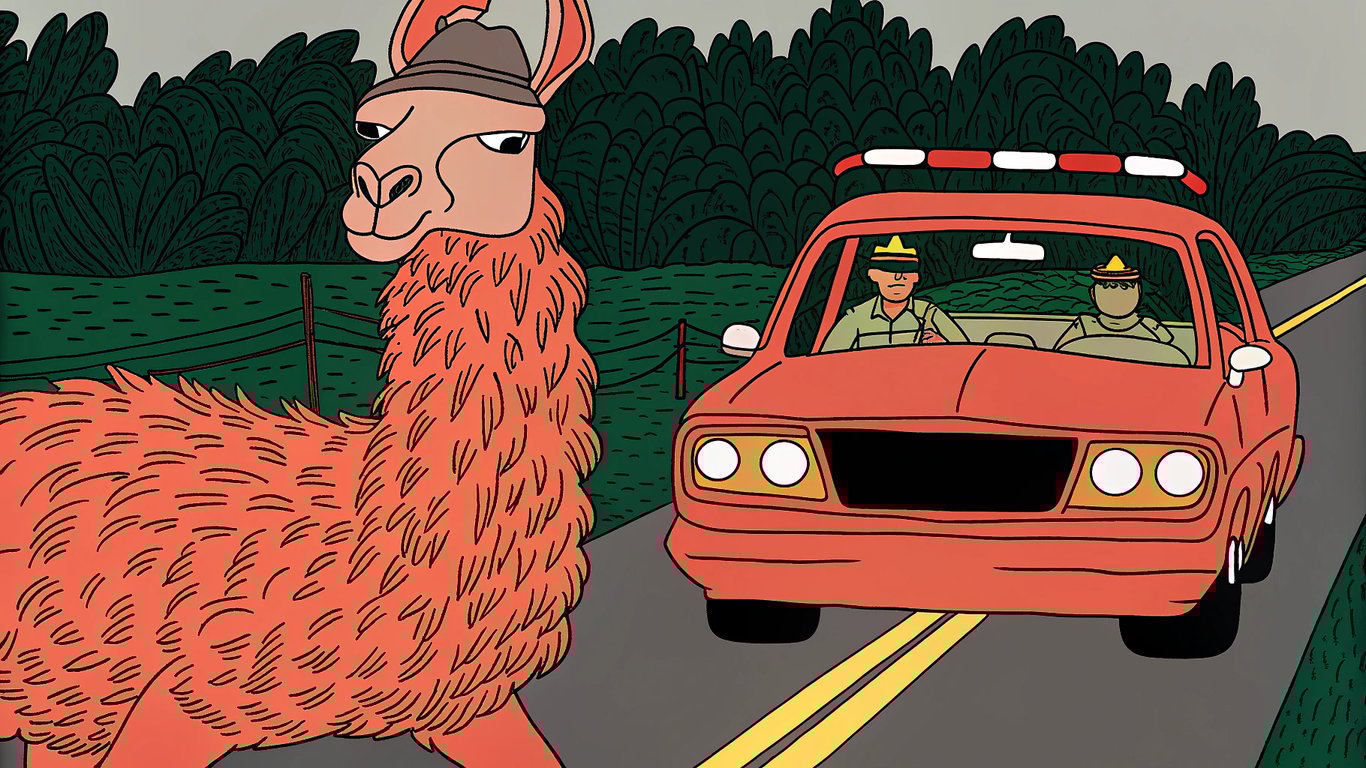
Picture a llama escaping from a zoo and leading police on a highway chase. The innocent approach works well here: ‘He just wanted to see what was on the other side of the fence. We’ve all been there.’ The exaggeration route: ‘Breaking: Llama still at large. Police describe him as woolly and dangerous. Armed with the ability to spit up to 15 feet.’ The meta-commentary: ‘This is the third llama escape this year. Maybe we should ask why they keep leaving.’
Example 3: Government Absurdity
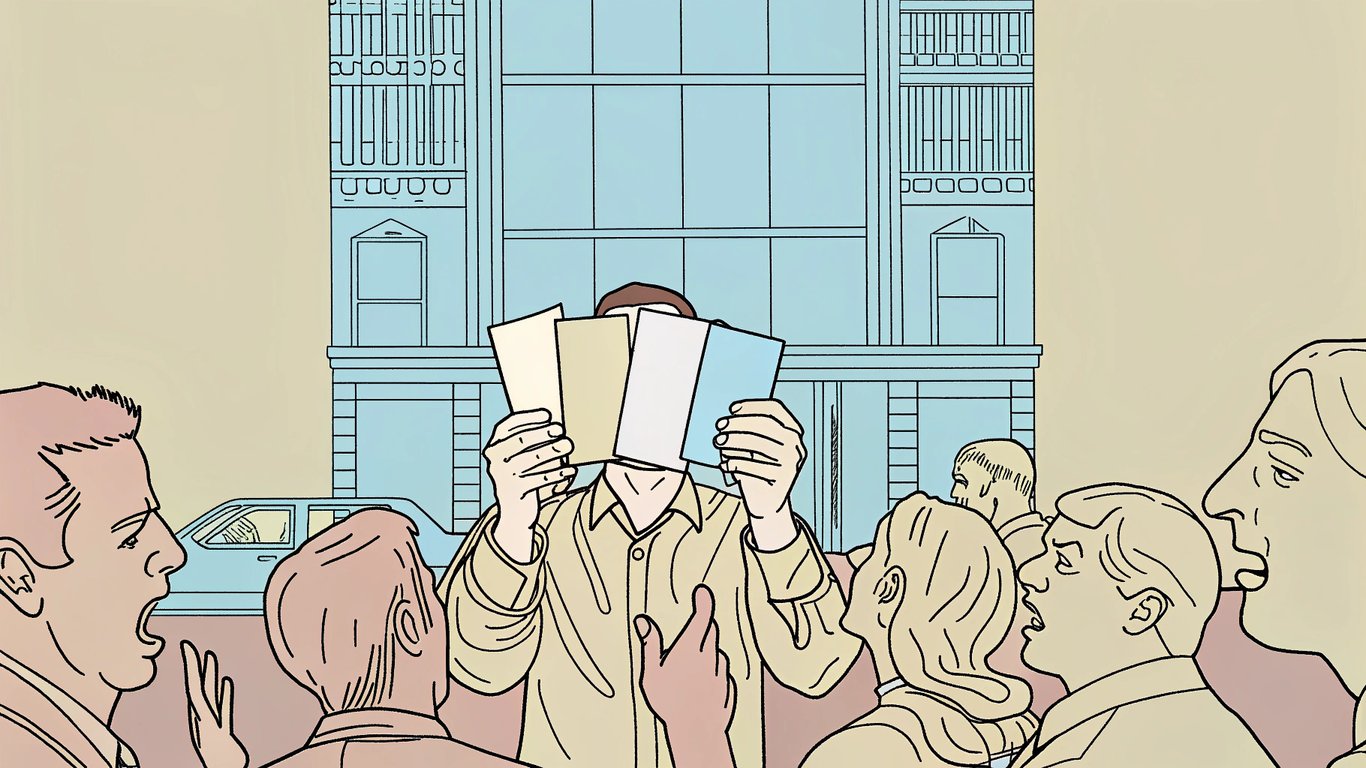
A town banning a specific shade of beige from all new construction. The observational take: ‘Somewhere, a city planner is having the worst day of their life trying to enforce this.’ The absurdist escalation: ‘Next week they’re voting on whether taupe is legally distinct from beige.’ The fake expert analysis: ‘As a certified beige-ologist, I can confirm this will have devastating effects on the local paint industry.’
Example 4: Celebrity Chaos
When a famous actor declares war on pigeons in their neighborhood, the mock-serious journalism approach shines: ‘Sources close to the actor say the feud began when a pigeon ate his sandwich in 2019. He’s been planning his revenge ever since.’ The meme format works too: Side-by-side images with captions like ‘Him in movies: saves the world’ and ‘Him in real life: loses fight with bird.’
Example 5: Scientific Oddity
A study finding that conspiracy theorists were accidentally right about one obscure thing creates perfect irony. The self-aware humor: ‘They predicted this would happen. Wait, that makes it worse.’ The meta-commentary: ‘Broken clocks and all that, but now we’ll never hear the end of it.’ The wholesome twist: ‘Even conspiracy theorists deserve to be right sometimes. Today is their day.’
Example 6: Corporate Cringe
A company rebranding to an unpronounceable symbol begs for satirical press release treatment: ‘The company formerly known as [Name] is excited to announce our new identity: ⌘∆◊. Pronounced [silence]. Our CEO believes this represents our commitment to innovation and also our complete disconnection from reality.’
Example 7: Weather Weirdness
A town experiencing all four seasons in one day invites apocalyptic humor: ‘This is fine. Everything is fine. The snow in the morning and 80-degree heat by afternoon are totally normal.’ The relatable exaggeration: ‘My weather app just gave up and showed a shrug emoji.’
Example 8: Food Fiasco
Deconstructed water at a fancy restaurant is peak pretentiousness to mock: ‘For $47, you get hydrogen and oxygen served separately. You have to combine them yourself. It’s about the experience.’ The absurdist take: ‘Next month they’re introducing deconstructed air. Just the individual molecules arranged artfully on a plate.’

Example 9: Sports Spectacle
A professional athlete losing to an amateur in a bizarre bet creates underdog celebration opportunities: ‘This is why you never bet against someone with nothing to lose and everything to prove.’ The schadenfreude angle: ‘He trained his whole life for this moment. The amateur trained for like, three weeks.’
Example 10: Political Peculiarity
Politicians accidentally live-streaming private moments requires balancing humor with kindness: ‘We’ve all forgotten to hang up on a Zoom call. His just happened to be broadcast to 50,000 people.’ Avoid mean-spirited takes and focus on the universal embarrassment we can all relate to.
Example 11: Social Media Madness
Viral challenges going wrong invite self-deprecating humor: ‘Remember when challenges were just eating cinnamon? Those were simpler times.’ The observational approach: ‘Every generation thinks they invented doing stupid things for attention. We just have better cameras now.’
Example 12: Unexplained Phenomenon
Mysterious objects turning out to be mundane items create perfect anticlimax humor: ‘Breaking: The UFO was a weather balloon. Again. It’s always a weather balloon. At this point, I’m more interested in why we have so many weather balloons.’ The conspiracy satire: ‘That’s exactly what they want you to think. Wake up, sheeple. It’s clearly a weather balloon conspiracy.’
The Anatomy of a Shareable Funny Take
Creating commentary that actually gets shared isn’t just about being funny. It’s about understanding the mechanics of what makes people hit that share button. I’ve analyzed thousands of viral posts about weird current events, and certain patterns emerge consistently.
Timing: Striking While the Iron Is Hot
You’ve got maybe 6-12 hours after a weird story breaks to make your mark. After that, the conversation moves on. But rushing leads to lazy takes. The sweet spot is being fast enough to be relevant but thoughtful enough to add something new to the conversation.
I’ve seen people try to comment on week-old stories and wonder why nobody cares. The internet moves fast. If you’re not there when the conversation is happening, you’re basically shouting into an empty room.
Tone: Finding Your Comedic Voice
Different weird current events call for different tones. Deadpan works great for bureaucratic absurdity. Absurdist humor fits well with truly bizarre situations. Sarcastic takes land when there’s obvious hypocrisy or pretentiousness. Wholesome twists work when you can find an unexpectedly positive angle.
The key is consistency. Pick a voice and stick with it. People follow accounts that have a recognizable style, not ones that randomly shift between different comedy approaches.
Format: Choosing the Right Medium
A single tweet works for quick observations. Threads let you build a narrative or explore multiple angles. Memes are perfect for visual absurdity. Video commentary allows for timing and delivery that text can’t capture. Long-form satire gives you space to really develop a concept.
Match your format to your idea. Don’t force a simple joke into a 10-tweet thread, and don’t try to cram a complex satirical concept into a single image macro.
The Hook: Crafting That Perfect Opening Line
Your first sentence determines whether people keep reading. Start with the most interesting part. Don’t bury the lead with setup or context. Jump straight into the absurdity.
Compare these: ‘I was reading the news today and came across an interesting story about…’ versus ‘A llama is currently winning a police chase.’ The second one makes you want to know more immediately.
7 Proven Formulas for Crafting Funny Commentary
These aren’t rigid templates, but they’re starting points that consistently work. Think of them as training wheels until you develop your own instincts for what’s funny.
Formula 1: The Exaggeration Escalation
Take the absurd situation and push it further. If a town banned a shade of beige, imagine them creating a beige police force. Then a beige court system. Then beige prison. Keep escalating until it becomes ridiculous. The humor comes from following the logic to its most extreme conclusion.
Formula 2: The Conspiracy Theory Parody
Create a mock-serious investigation into the ‘real’ story behind the weird event. Use conspiracy theory language ironically. ‘What they’re not telling you about the llama escape…’ Then reveal increasingly absurd ‘evidence’ that connects to other random events. The joke is in treating something silly with intense seriousness.
Formula 3: The Relatable Comparison
Connect the weird event to everyday experiences everyone understands. ‘The chatbot voting on city council is basically like when you let autocorrect finish your sentences.’ This works because it makes the bizarre feel familiar and gives people a framework to understand why it’s funny.
Formula 4: The Fake Expert Analysis
Pretend to be an expert in something ridiculous and provide serious analysis. ‘As a certified llama behavior specialist…’ The contrast between the authoritative tone and the absurd subject matter creates humor. Academic language applied to silly situations is inherently funny.
Formula 5: The Timeline/Thread Format
Break the story into sequential updates that get progressively more absurd. ‘8am: Llama escapes. 9am: Llama on highway. 10am: Llama has Twitter account. 11am: Llama announces mayoral campaign.’ The escalation creates narrative tension and payoff.
Formula 6: The ‘This You?’ Callback
Find old statements or predictions that the current weird event contradicts or validates. ‘Remember when they said AI would never replace us? Well, it just got elected to city council.’ The humor comes from the ironic reversal or unexpected validation.
Formula 7: The Wholesome Twist
Find the unexpectedly positive angle in bizarre news. ‘Yeah, the llama escaped, but look how happy it seems. Maybe we’re the ones in cages.’ This works because it subverts expectations. People expect mockery, so sincerity becomes surprising and therefore funny.
Where to Find Weird Current Events Before They Go Mainstream
Being first to a weird story gives you a huge advantage. By the time something hits major news outlets, hundreds of people have already made the obvious jokes. You want to find stories when they’re still fresh.
Top News Aggregators for Weird Stories
Reddit’s r/nottheonion community curates bizarre real news stories daily. Bored Panda regularly features unusual news alongside their other content. Local news aggregators often catch strange regional stories before they go national. Following journalists who cover weird beats on social media can give you early access to developing stories.
Local News Goldmines
Small-town newspapers are treasure troves of weirdness. They cover stories that would never make national news but are absolutely bizarre. City council meetings, local ordinances, neighborhood disputes. This is where you find gems like beige bans and llama escapes before anyone else does.
Set up Google News alerts for phrases like ‘unusual incident,’ ‘bizarre,’ or ‘strange occurrence’ combined with your region. You’ll get a steady stream of weird local news delivered to your inbox.
Setting Up Google Alerts for Absurdity
Create alerts for specific types of weird news you want to cover. ‘Animal escape,’ ‘unusual law,’ ‘bizarre discovery,’ ‘strange phenomenon.’ Combine these with location terms if you want regional focus. The key is being specific enough to filter out noise but broad enough to catch genuinely weird stories.
Social Listening Tools and Techniques
Monitor trending topics on X and TikTok for emerging weird stories. Often, local people will post about bizarre events before news outlets pick them up. Following hashtags like #WeirdNews or #OnlyInMyTown can surface stories early. The trick is catching them when they’re just starting to gain traction.
Avoiding Common Pitfalls: When Humor Goes Wrong
Not every weird story deserves a funny take. Some situations involve real harm or tragedy disguised as quirky news. Learning to recognize these boundaries is crucial for maintaining credibility and basic human decency.
Reading the Room: When NOT to Make Jokes
If someone got hurt, don’t make jokes. If the story involves vulnerable populations being exploited, it’s not funny. If there’s underlying tragedy beneath the surface weirdness, skip it. The llama escape is funny because nobody got hurt and the llama was fine. A story about escaped animals that caused accidents wouldn’t be.
When in doubt, ask yourself: would I want someone making jokes if this happened to me or someone I care about? If the answer is no, move on to a different story.
Punching Up vs. Punching Down
Mock the powerful, not the powerless. A celebrity declaring war on pigeons? Fair game. A homeless person in a bizarre situation? Not funny. Corporate absurdity? Absolutely. Someone struggling with mental health? Off limits. The rule is simple: your humor should target those who can handle it, not those who are already struggling.
The Satire Disclaimer Debate
Some people argue that good satire shouldn’t need a disclaimer. Others say clarity prevents misinformation. I lean toward transparency. If you’re creating fictional scenarios based on real events, make that clear. You can be funny without accidentally spreading false information.
A simple ‘satirical take’ or ‘obviously joking here’ can save you from people thinking you’re reporting actual news. It doesn’t kill the humor; it just prevents confusion.
Handling Backlash and Misinterpretation
Sometimes your joke won’t land. Sometimes people will misunderstand your intent. When that happens, own it. Apologize if you crossed a line. Clarify if you were misunderstood. Delete if necessary. Don’t double down on something that genuinely hurt people just to avoid admitting you made a mistake.
The internet is forever, but so is your reputation. One viral joke isn’t worth burning bridges or causing real harm.
Turning Weird News Into Your Creative Playground
Weird current events aren’t going anywhere. The world keeps getting stranger, and people will always need humor to process it. You don’t need special credentials or a massive following to start creating funny takes. You just need to pay attention, think creatively, and be willing to put your ideas out there.
Your Weird News Starter Kit
Start by following three local news sources, two weird news aggregators, and five people who consistently make funny observations about current events. Set up Google Alerts for bizarre keywords. Commit to commenting on at least one weird story per week. That’s it. You don’t need fancy tools or a content calendar. Just start engaging with the weirdness around you.
Building Your Audience Through Consistent Commentary
People follow accounts that reliably deliver a specific type of content. If you consistently provide funny takes on weird current events, you’ll build an audience that comes to you for that. It won’t happen overnight. But if you show up regularly with quality commentary, people will notice.
The key is consistency, not perfection. Not every take will go viral. Most won’t. But the ones that do will bring new people who’ll stick around for the next one.
The Future of Satirical News Commentary
As traditional media continues to fragment, individual creators have more opportunity than ever to build audiences around niche interests. Satirical commentary on weird current events is one of those niches. The barrier to entry is low, but the ceiling is high. Some of the most successful online personalities built their followings by consistently being funny about the news.
The world isn’t getting less weird. If anything, it’s accelerating. That means more opportunities for people who can find humor in the chaos. Start small, stay consistent, and remember that the best comedy comes from genuine observation, not forced jokes. The weird current events are out there. All you have to do is find them and show people why they’re funny.
Support Independent Satire
Your contribution helps keep True Free World confusing the powerful, enlightening the masses, and occasionally breaking international law by accident.


