
You’ve probably noticed that everyone seems to think they’re living in a thriller movie these days. Your uncle swears the government is hiding something big. Your coworker won’t stop talking about how nothing is what it seems. And your group chat? It’s basically a battleground of competing theories about everything from weather patterns to celebrity sightings.
Here’s the thing: conspiracy theories aren’t new, but they’ve gotten a serious upgrade in the digital age. Social media algorithms love controversy. Content creators discovered that fear and outrage get clicks. And suddenly, we’re all drowning in claims that sound just plausible enough to make you wonder.
Why Everyone Thinks They’re Living in a Thriller Movie
Conspiracy theories feel good. There, I said it. They offer simple explanations for complex problems. They make you feel like you’re part of an exclusive club that sees through the lies. And honestly? Reality can be pretty boring compared to the idea that shadowy figures are pulling all the strings.
But here’s what’s actually happening: our brains are wired to find patterns, even when they don’t exist. We crave certainty in an uncertain world. And we’re really, really bad at evaluating information when it confirms what we already believe.
What You’ll Learn (And Why Your Group Chat Needs This)
This guide will teach you how to spot a conspiracy without losing your mind in the process. You’ll learn practical techniques for evaluating wild claims, recognizing manipulation tactics, and applying basic logic to separate legitimate concerns from paranoid fantasies. Think of it as building your personal BS detector.
These aren’t just theoretical skills. You’ll use them every time you scroll through social media, read the news, or try to figure out if that viral video is real or completely fabricated. And maybe, just maybe, you’ll save yourself from sharing something embarrassing that gets debunked five minutes later.
The Conspiracy Theory Starter Pack: Common Red Flags
Learning how to spot a conspiracy starts with recognizing the warning signs. These red flags pop up again and again, regardless of what the specific theory claims. Once you know what to look for, you’ll start seeing them everywhere.
The ‘Do Your Own Research’ Paradox
You’ve seen this one. Someone makes an outrageous claim, and when you ask for evidence, they tell you to “do your own research.” Sounds reasonable, right? Except what they really mean is: watch the same YouTube videos I watched, read the same blogs I read, and arrive at the same conclusion I did.
Real research involves looking at multiple sources, including ones that disagree with your hypothesis. It means checking credentials, reading peer-reviewed studies, and being willing to change your mind when the evidence points elsewhere. The “do your own research” crowd typically does none of these things.

When someone uses this phrase, they’re usually shifting the burden of proof. They’re making a claim but refusing to back it up with credible evidence. That’s not how knowledge works.
Connect-the-Dots Gone Wild: Pattern Recognition vs. Pareidolia
Humans are pattern-recognition machines. We see faces in clouds, hear messages in static, and find connections between completely unrelated events. This ability helped our ancestors survive, but it also makes us vulnerable to seeing conspiracies where none exist.
Conspiracy theories often rely on cherry-picking coincidences and presenting them as meaningful connections. Two events happened on the same day? Must be related. Three companies have similar logos? Obviously coordinating. Someone used a common phrase? Secret code confirmed.

The problem is that with billions of people and events happening constantly, coincidences are inevitable. The real question isn’t whether connections exist, but whether they’re actually meaningful or just statistical noise.
The Villain Problem: When Everyone’s Secretly Evil
Most conspiracy theories require a villain. Not just any villain, but one that’s simultaneously incredibly powerful and incredibly incompetent. They can orchestrate massive cover-ups involving thousands of people, but they also leave obvious clues for random internet users to discover.
Real life doesn’t work like this. Organizations struggle to keep small secrets. Governments can’t agree on basic policy. Companies leak information constantly. The idea that massive groups of people could coordinate complex conspiracies without anyone breaking ranks is pretty unrealistic.
Unfalsifiable Claims: The ‘Absence of Evidence IS Evidence’ Trap
Here’s a clever trick conspiracy theorists use: they make claims that can’t be disproven. If you can’t find evidence for their theory, that just proves how good the cover-up is. If experts disagree, those experts are obviously part of the conspiracy. If documents don’t exist, they’ve been destroyed or hidden.
This is called an unfalsifiable claim, and it’s a huge red flag. Good theories can be tested and potentially proven wrong. Conspiracy theories often set themselves up so that any evidence against them just becomes more evidence for them.
Source Evaluation: Who’s Telling You This and Why Should You Care?
Not all sources are created equal. Your friend’s cousin who “works in the industry” isn’t the same as a peer-reviewed study. A blog post isn’t equivalent to investigative journalism. And a viral tweet definitely isn’t proof of anything.
The Quick Source Credibility Checklist
When you encounter a claim, run through these questions:
- Who created this content? Can you identify a real person or organization?
- What are their credentials? Do they have relevant expertise?
- Can you verify this information through other credible sources?
- Does the source have a financial or ideological motive?
- Are they citing their sources, or just making assertions?
- Do they acknowledge uncertainty and limitations?
If you can’t answer these questions satisfactorily, you probably shouldn’t trust the source.
Spotting Fake Experts: Credentials That Sound Impressive But Mean Nothing
The internet is full of self-proclaimed experts. They’ve got impressive titles, fancy websites, and confident opinions about everything. But scratch the surface and you’ll often find their credentials are questionable at best.
Real expertise is specific. A medical doctor isn’t automatically an expert on climate science. An engineer doesn’t necessarily understand epidemiology. And someone with a PhD in one field isn’t qualified to make authoritative statements about completely unrelated topics.
Watch out for vague credentials like “researcher,” “analyst,” or “consultant” without specifics. Check if their claimed expertise can be verified through legitimate institutions. And be skeptical of anyone who claims to be an expert in everything.
The Follow-the-Money Test
Conspiracy content is often a business. People make money from clicks, ad revenue, merchandise sales, and donations from believers. When someone’s income depends on promoting conspiracy theories, they’ve got a strong incentive to keep the theories coming.
This doesn’t automatically make them wrong, but it should make you more skeptical. Ask yourself: what does this person gain from promoting this theory? Are they selling books, supplements, or courses? Do they have a Patreon or donation link? Are they building an audience they can monetize?
Primary vs. Secondary vs. ‘My Cousin’s Friend’ Sources
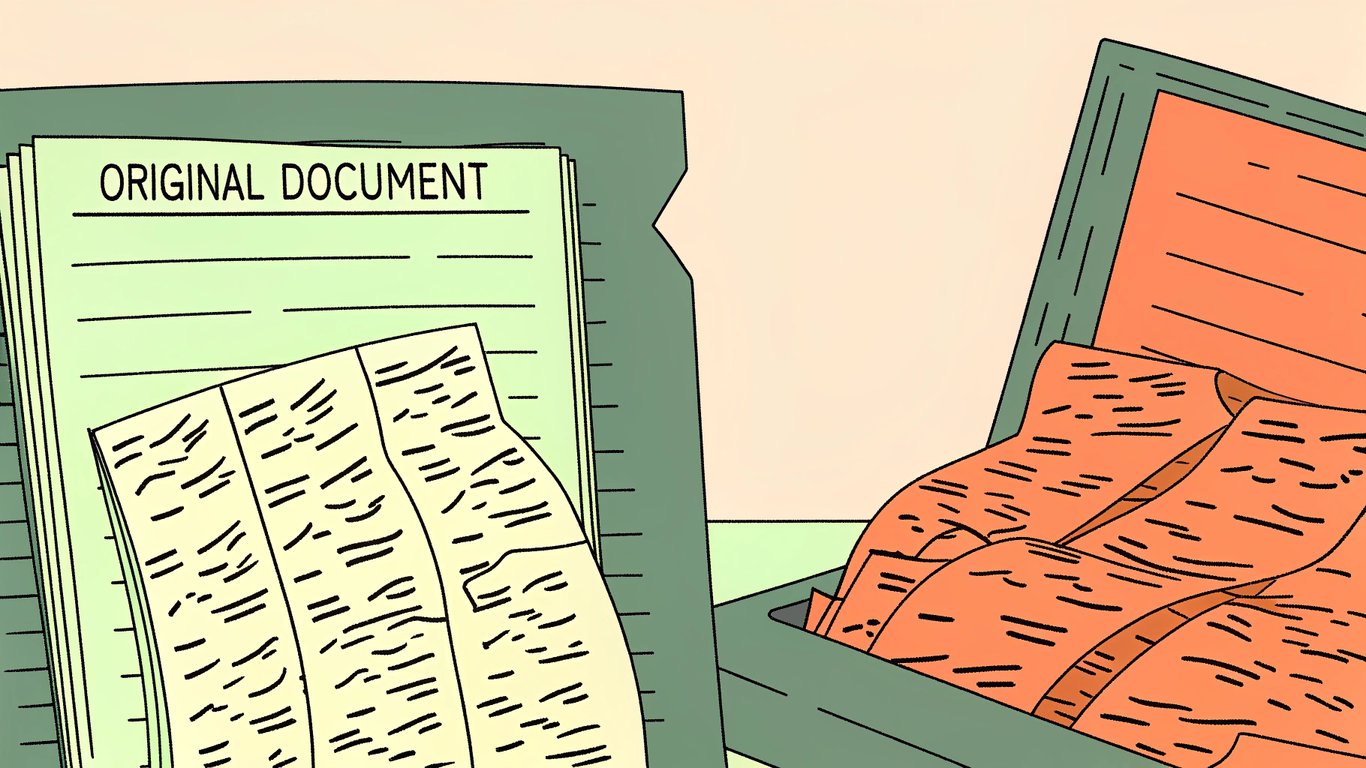
Information quality degrades as it passes through more hands. A primary source is the original document, study, or firsthand account. A secondary source analyzes or reports on primary sources. And then there’s the game of telephone that happens on social media.
Whenever possible, trace claims back to their origin. That viral screenshot? Find the original article. That shocking statistic? Look up the actual study. That quote from an expert? Check if they actually said it in context. You’ll be surprised how often the original source doesn’t support the claim being made.
Evidence Evaluation: What Counts as Proof (Hint: Not That)
Evidence isn’t all equal. Some types of evidence are more reliable than others, and understanding this hierarchy is crucial for evaluating conspiracy claims.
The Evidence Hierarchy: From Anecdotes to Peer-Reviewed Studies
At the bottom of the evidence pyramid, you’ve got anecdotes and personal testimonials. These can be compelling, but they’re also unreliable. People misremember, exaggerate, and interpret experiences through their existing beliefs.
Moving up, you’ve got observational studies, case reports, and expert opinions. These are better, but still limited. At the top, you’ve got systematic reviews and meta-analyses of well-designed studies. This is the gold standard because it aggregates multiple sources of evidence and accounts for biases.
Conspiracy theories typically rely on the bottom of this pyramid while ignoring everything at the top.
Cherry-Picking 101: How to Spot Selective Evidence
Cherry-picking is when someone presents only the evidence that supports their claim while ignoring everything that contradicts it. It’s one of the most common tactics in conspiracy thinking.
Look for what’s missing. If someone presents five examples that support their theory, ask yourself: how many examples contradict it? If they cite one study, are there ten others that found different results? If they show you a suspicious coincidence, how many non-suspicious non-coincidences are they ignoring?
Correlation vs. Causation: The Classic Blunder
Just because two things happen together doesn’t mean one caused the other. Ice cream sales and drowning deaths both increase in summer, but ice cream doesn’t cause drowning. They’re both caused by a third factor: warm weather.
Conspiracy theories love to confuse correlation with causation. Event A happened, then event B happened, therefore A caused B. But the world is complicated. Multiple factors influence outcomes, and timing alone doesn’t prove causation.
The Screenshot Trap: Context Matters
Screenshots are the currency of conspiracy theories. A quote taken out of context. A video clip missing crucial context. An image that’s been cropped or edited. These can be incredibly misleading.
Always try to find the full context. What was said before and after that quote? What happened in the rest of the video? What’s the source of that image? Context often completely changes the meaning of isolated snippets.
Logic and Reasoning Checks: Does This Actually Make Sense?
Sometimes you don’t need to fact-check every detail. You can evaluate a conspiracy theory just by asking whether it makes logical sense.
The Occam’s Razor Reality Check
Occam’s Razor is a principle that says the simplest explanation is usually correct. When you’re evaluating a conspiracy theory, compare it to simpler alternatives.
Is it more likely that thousands of people are coordinating an elaborate cover-up, or that someone made a mistake? Is it more plausible that shadowy figures are manipulating world events, or that complex systems produce unpredictable outcomes? Usually, the boring explanation is the right one.
Scale and Coordination: The ‘Too Many People Would Have to Be In On It’ Test
Think about how hard it is to keep a secret among three people. Now imagine keeping a secret among thousands or millions. It’s basically impossible.
When evaluating a conspiracy theory, count how many people would need to be involved. How many would need to stay silent? How many would need to coordinate perfectly? The larger the number, the less plausible the theory becomes.
Common Logical Fallacies in Conspiracy Thinking
Conspiracy theories are built on logical fallacies. Here are some common ones:
- Ad hominem attacks: Dismissing evidence by attacking the person presenting it rather than addressing their arguments
- False dilemmas: Presenting only two options when many exist
- Slippery slope: Claiming one thing will inevitably lead to extreme consequences without evidence
- Appeal to ignorance: Arguing that something must be true because it hasn’t been proven false
- Moving goalposts: Changing the criteria for proof whenever evidence is presented
The Burden of Proof: Who Needs to Prove What?
If someone makes an extraordinary claim, they need to provide extraordinary evidence. The burden of proof is on them, not on you to disprove it.
Conspiracy theorists often try to reverse this. They make wild claims and then demand you prove them wrong. But that’s not how it works. You can’t prove a negative. The person making the claim needs to provide credible evidence, not just speculation and suspicion.
Emotional and Psychological Signals: When Your Feelings Are Being Manipulated
Conspiracy theories don’t just target your logic. They target your emotions. Understanding these manipulation tactics helps you recognize when you’re being played.
Fear, Outrage, and Urgency: The Emotional Manipulation Trifecta
Content designed to make you afraid, angry, or panicked bypasses your critical thinking. When you’re in an emotional state, you’re more likely to accept information without questioning it.
Watch for language that triggers strong emotions. Phrases like “they don’t want you to know,” “this will shock you,” or “urgent warning” are red flags. If content makes you feel like you need to act immediately, that’s probably intentional manipulation.
The ‘Special Knowledge’ Appeal: Why Being ‘In the Know’ Feels So Good
Conspiracy theories offer something seductive: the feeling that you’re smarter than everyone else. You’ve figured out what the masses haven’t. You’re part of an enlightened minority who sees the truth.
Conspiracy theories offer something seductive: the feeling that you’re smarter than everyone else. You’ve figured out what the masses haven’t. You’re part of an enlightened minority who sees the truth.
Confirmation Bias: Your Brain’s Favorite Trick
We all have confirmation bias. It’s the tendency to seek out, interpret, and remember information that confirms what we already believe while ignoring contradictory evidence.
The best way to combat this is to actively seek out information that challenges your beliefs. If you think something is true, look for the strongest arguments against it. If you can’t find any, you’re probably not looking hard enough.
The Backfire Effect: Why Debunking Sometimes Makes It Worse
Here’s something frustrating: sometimes when you present people with evidence that contradicts their beliefs, they believe even more strongly. This is called the backfire effect.
It happens because beliefs become part of our identity. Challenging someone’s beliefs can feel like a personal attack, causing them to dig in deeper. This is why gentle questioning often works better than aggressive debunking.
Practical Application: Real-World Examples and Exercises
Theory is great, but let’s put these skills into practice. Here’s how to apply everything you’ve learned when you encounter suspicious claims in the wild.
The 5-Minute Conspiracy Check: Your Quick Evaluation Framework
When you encounter a claim that seems suspicious, run through this quick checklist:
- Source check: Who’s making this claim? Can you verify their credentials?
- Evidence check: What evidence is provided? Is it credible?
- Logic check: Does this make sense? What’s the simpler explanation?
- Emotion check: How does this make you feel? Are you being manipulated?
- Verification check: Can you find this information from credible sources?
If the claim fails multiple checks, it’s probably not worth your time or belief.
When Legitimate Concerns Look Like Conspiracies (And Vice Versa)
Not everything that sounds like a conspiracy theory is false. Sometimes real conspiracies exist. Sometimes legitimate concerns get dismissed as conspiracy thinking. The key is applying consistent evaluation standards.
Real scandals typically have documented evidence, credible whistleblowers, and investigative journalism backing them up. They don’t rely on speculation, coincidences, or unfalsifiable claims. They can be verified through multiple independent sources.
Staying Sane in an Insane Information Landscape
You’ve learned how to spot a conspiracy. Now let’s talk about maintaining these skills long-term without burning out.
Building Your Personal BS Detector: Daily Habits
Critical thinking is a skill that improves with practice. Make it a habit to question claims before sharing them. Pause before reacting emotionally to content. Seek out diverse perspectives regularly. Read long-form journalism from credible outlets.
Follow fact-checking organizations like Snopes, FactCheck.org, or PolitiFact. These sites do the heavy lifting of investigating viral claims and can save you time.
How to Talk to Someone Deep in Conspiracy Thinking (Without Losing Your Mind)
If someone you care about has fallen down the conspiracy rabbit hole, aggressive debunking usually backfires. Instead, try asking questions. Why do they believe this? What evidence convinced them? What would change their mind?
Listen without judgment. Understand that conspiracy beliefs often fill emotional needs like certainty, community, or purpose. Address those needs rather than just attacking the beliefs themselves.
Knowing When to Walk Away: Protecting Your Mental Health
Sometimes engagement is pointless. If someone is deeply committed to conspiracy thinking, your efforts probably won’t change their mind. And that’s okay. You’re not responsible for fixing everyone’s beliefs.
Set boundaries. Mute or unfollow accounts that consistently share misinformation. Limit time spent arguing online. Focus your energy on people who are genuinely open to evidence and reason.
Your mental health matters more than winning arguments with strangers on the internet.
Resources and Tools for Continued Learning
Want to keep improving your critical thinking skills? Check out these resources:
- Snopes for fact-checking viral claims
- Media Bias/Fact Check for evaluating news sources
- NewsGuard for browser-based credibility ratings
- Your local library for access to credible journalism and research databases
Remember: learning how to spot a conspiracy isn’t about becoming cynical or distrusting everything. It’s about developing the skills to evaluate information thoughtfully, so you can believe things for good reasons rather than bad ones. And in a world overflowing with information, that’s probably one of the most valuable skills you can have.
Support Independent Satire
Your contribution helps keep True Free World confusing the powerful, enlightening the masses, and occasionally breaking international law by accident.


