
We’re living in a weird time for pop culture. Everything feels simultaneously serious and absurd, which makes it perfect for satire. The line between reality and parody has gotten so blurry that sometimes you can’t tell if something’s a joke or just Tuesday.
Take Vape! The Grease Parody as an example. Someone looked at vaping culture and the classic musical Grease and thought, “Yeah, these belong together.” And they were right. That’s the kind of cultural collision that makes great satirical content.
Why Satire Matters More Than Ever
People are drowning in information. Every day brings another cultural moment that feels too bizarre to be real. Satire helps us process this overload by finding the humor in absurdity. It’s not just entertainment; it’s a coping mechanism.
When you create satirical content, you’re giving your audience permission to laugh at things that might otherwise feel overwhelming. You’re also showing them they’re not alone in thinking something is ridiculous. That shared recognition builds community faster than almost anything else.
The Conspiracy Theory-Satire Connection
Conspiracy theories have moved from fringe forums to mainstream pop culture. They’re everywhere now, which makes them incredibly rich material for satire. The key is walking the line between making fun of conspiratorial thinking without accidentally promoting actual misinformation.
The best conspiracy-adjacent humor exaggerates the logic to absurd extremes. You’re not saying the conspiracy is real; you’re highlighting how ridiculous the reasoning becomes when you follow it to its natural conclusion.
What Makes a Trend ‘Satirizable’?
Not every pop culture moment deserves your attention. Some trends burn bright and die fast. Others have staying power. The difference usually comes down to a few key factors:
- Cultural resonance: Does it tap into something people are already thinking about?
- Inherent absurdity: Is there something naturally funny or contradictory about it?
- Emotional weight: Do people have strong feelings about it?
- Memetic potential: Can it be easily remixed and shared?
The Anatomy of a Satirizable Pop Culture Trend
Let’s get specific about what separates a one-off joke from a content goldmine. You need to develop an eye for trends that have legs.
The 5 Pillars of Satirizable Content
Absurdity is your foundation. If something makes you do a double-take, that’s a good sign. The more naturally ridiculous something is, the less work you have to do to make it funny.
Cultural relevance determines your audience size. A trend might be absurd, but if only 500 people care about it, you’re limiting your reach. Look for things that connect to broader cultural conversations.
Emotional resonance is what makes people share. They need to feel something, whether it’s recognition, frustration, or joy. Satire without emotion is just observation.
Controversy level needs careful calibration. Too safe and nobody cares. Too edgy and you alienate people or worse, cause actual harm. You want the sweet spot where you’re challenging but not cruel.
Memetic potential determines longevity. Can people easily riff on your concept? Can they make it their own? The best satirical content spawns variations and callbacks.
Flash-in-the-Pan vs. Recurring Goldmine
Some trends are one-hit wonders. A celebrity says something weird, everyone laughs for 48 hours, and then it’s gone. These can be fun, but they won’t sustain a content strategy.
Recurring goldmines are different. They’re trends that reveal something deeper about culture. Vaping culture isn’t just about e-cigarettes; it’s about how we market vice, how youth culture adopts behaviors, and how nostalgia gets weaponized. That’s why something like Vape! The Grease Parody works. It’s tapping into multiple cultural currents at once.

Red Flags: Trends to Avoid Satirizing
Some things aren’t worth the risk. Tragedy, marginalized communities struggling for basic rights, and personal trauma are generally off-limits. The rule of thumb: punch up, not down. Satire should comfort the afflicted and afflict the comfortable.
Also avoid trends that are already fading. If mainstream news is covering it extensively, you’re probably too late. By the time something hits cable news, the internet has already moved on.
Where to Hunt for Satirical Gold in 2025
Finding trends before they peak is part skill, part luck, and part obsessive internet usage. Here’s where to focus your attention.
TikTok Trend Tracking: Your Primary Intelligence Source
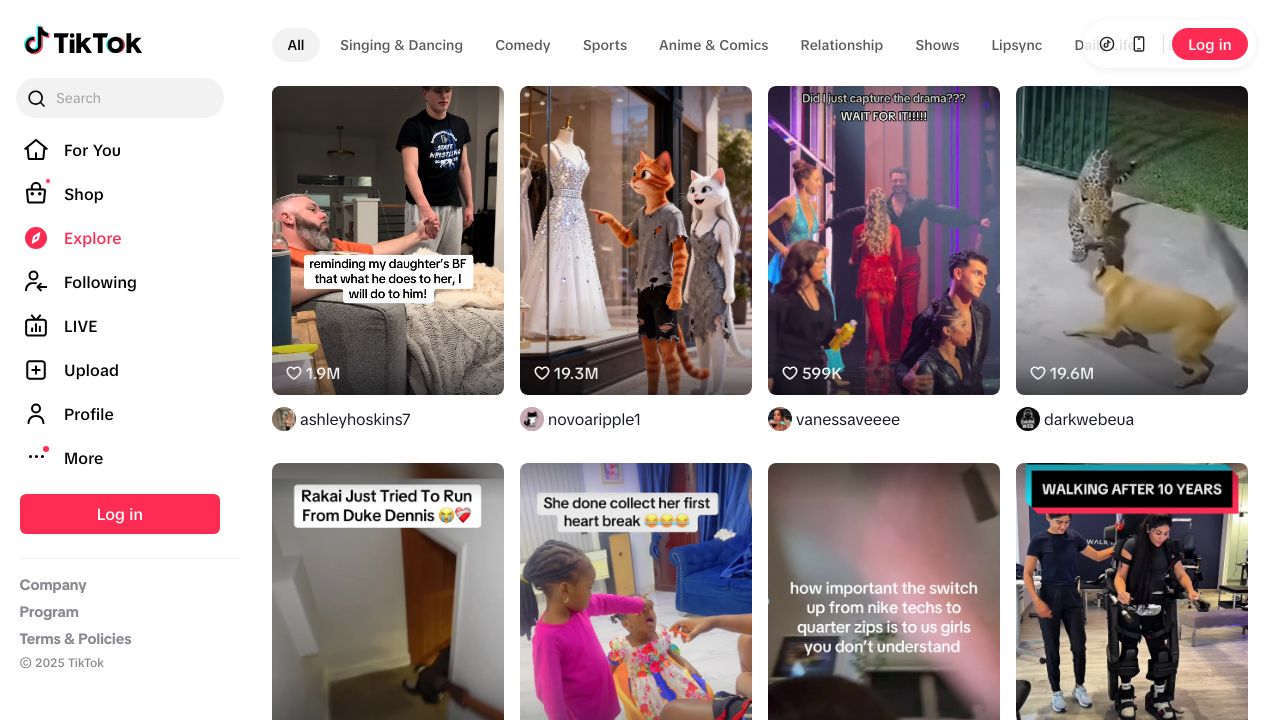
TikTok trends in July 2025 included plot twists, soft confessions, and throwback sounds. These aren’t random; they reflect what people are feeling and thinking about. Plot twists speak to our desire for narrative surprise in an increasingly predictable world. Soft confessions tap into vulnerability culture.
The TikTok algorithm surfaces emerging trends faster than any other platform. Spend 30 minutes a day scrolling your For You page, but do it analytically. Ask yourself why certain sounds or formats are catching on. What cultural nerve are they hitting?
Reddit, Twitter/X, and Discord: The Conspiracy Theory Hubs
These platforms are where fringe ideas incubate before going mainstream. Reddit’s niche communities are particularly valuable. You can watch conspiracy theories develop in real-time, see which ones gain traction, and identify the absurd logic that makes them satirizable.
Twitter/X is useful for seeing how quickly something spreads and mutates. Discord servers give you access to tight-knit communities where people are extremely online and ahead of broader trends.
Instagram and YouTube: Where Trends Mature
By the time something hits Instagram Reels or YouTube, it’s usually past the bleeding edge. But that’s not necessarily bad. These platforms show you which TikTok trends have cross-platform appeal and staying power. Instagram’s 2025 business tools update has made it easier for creators to monetize, which means more professional satirical content is appearing there.
YouTube is particularly good for long-form satirical deep dives. If you can sustain 10-20 minutes of content on a trend, it probably has enough depth to be worth your time.
The Satirist’s Framework: From Observation to Content
Spotting trends is only half the battle. You need a system for transforming observations into actual content.
Document and Analyze the Trend
Keep a running document of potential trends. For each one, note the key players, the core absurdity, and why people care. Screenshot examples. Save links. You’re building a reference library.
Don’t just collect; analyze. What’s the underlying tension? What contradictions exist? Where’s the gap between how people present something and what it actually is?
Find Your Satirical Angle
Every trend has multiple angles. Your job is finding the one that fits your voice and audience. Some creators go for absurdist humor. Others prefer pointed social commentary. Some blend conspiracy theory aesthetics with legitimate critique.
The Vape! The Grease Parody works because it found the perfect collision between nostalgic musical theater and contemporary youth culture. That’s not obvious. Someone had to see both elements and recognize they belonged together.
The ‘What If?’ Technique
This is your most powerful tool. Take a trend and ask: What if we pushed this to its logical extreme? What if we inverted it? What if we applied it to a completely different context?
What if vaping culture was a 1950s musical? What if conspiracy theorists were right about everything? What if influencer culture existed in medieval times? These questions generate content.
Building Recurring Content Franchises
One-off satirical posts are fine, but recurring formats build audiences. You want people coming back because they know what to expect and they trust your perspective.
Creating Your Satirical Content Pillars
Develop three to five recurring formats that can absorb different pop culture trends. Maybe you do a weekly “Conspiracy Theory of the Week” where you treat absurd theories with mock seriousness. Or a “Celebrity Behavior Analysis” series that applies academic language to ridiculous celebrity moments.
These pillars give you structure without limiting creativity. You’re not starting from scratch every time; you’re plugging new material into proven formats.
The Callback Strategy: Building Inside Jokes
Reference your previous content. Create recurring characters or catchphrases. Build a shared language with your audience. This transforms casual viewers into community members who feel like they’re in on the joke.
Inside jokes are powerful because they create belonging. People share content that makes them feel part of something.
Platform-Specific Strategies for Maximum Impact
Different platforms reward different approaches. What works on TikTok won’t necessarily work on YouTube.
TikTok: Riding Viral Sounds and Formats
TikTok is about speed and format recognition. Use trending sounds but subvert expectations. Participate in challenges but add your satirical twist. The platform rewards people who understand the language of TikTok while bringing something new.
Duets and stitches are particularly powerful for satirists. You can directly respond to and recontextualize other people’s content, which is basically what satire does anyway.
YouTube: Long-Form Satirical Deep Dives
YouTube audiences will sit through 20-minute videos if you’re entertaining and insightful. This is where you can really dig into the absurdity of a trend, provide context, and build elaborate satirical narratives.
Production value matters more here than on TikTok. You don’t need a Hollywood budget, but decent audio and editing make a difference.
Legal, Ethical, and Practical Considerations
Satire exists in a complicated legal and ethical space. You need to understand the boundaries.
Fair Use and Parody Protection
Parody is generally protected speech, but that doesn’t mean you can do whatever you want. Fair use is determined case by case, considering factors like purpose, nature of the original work, amount used, and market effect.
The safest approach: transform the original significantly, use only what’s necessary to make your point, and make sure your satire is clearly commentary rather than just copying.
The Misinformation Tightrope
This is probably the trickiest part of conspiracy-adjacent humor. You want to mock conspiratorial thinking without accidentally spreading the actual conspiracy theories. Some people won’t get the joke.
Make your satire obvious. Use exaggeration, absurdist elements, and clear signals that you’re joking. When in doubt, add a disclaimer. It might kill the joke slightly, but it’s better than contributing to misinformation.
Your 2025 Satirical Content Action Plan
Here’s how to actually implement everything we’ve covered.
Your First 30 Days: Foundation Building
Set up your monitoring systems. Follow key accounts on TikTok, join relevant Reddit communities, and create a system for documenting trends. Spend this month just observing and taking notes. Don’t worry about creating yet.
Identify your niche. Are you focusing on celebrity culture? Tech trends? Political absurdity? You can’t satirize everything, so pick your lane.
Days 31-60: Iteration and Growth
Start creating. Post regularly, even if it’s not perfect. Analyze what works and what doesn’t. Pay attention to which angles resonate with your audience.
Refine your voice. You’ll probably start by imitating creators you admire, and that’s fine. Over time, your unique perspective will emerge.
Days 61-90: Scaling and Monetization
Launch your first recurring content series. Start thinking about monetization, whether that’s platform revenue sharing, sponsorships, or merchandise. Build your email list or Discord community.
The key is consistency. Satirical content creation is a marathon, not a sprint. The creators who succeed are the ones who show up regularly and keep refining their craft.
The Future of Pop Culture Satire
Pop culture is only getting weirder, which means satire is only getting more necessary. As AI-generated content floods the internet, human perspective and genuine wit become more valuable. The satirists who succeed will be the ones who offer authentic takes on our increasingly absurd reality.
Stay curious. Stay skeptical. And remember that the best satire comes from a place of caring about the world, even when you’re making fun of it.
Support Independent Satire
Your contribution helps keep True Free World confusing the powerful, enlightening the masses, and occasionally breaking international law by accident.


